Anxiety is one of the most common mental health experiences — so common, in fact, that many people assume what they feel is just normal stress and not something a doctor or therapist could help with. That assumption keeps a lot of people suffering longer than necessary. Understanding when anxiety crosses from ordinary worry into something that warrants professional attention can be the first step toward feeling better.
What does anxiety feel like?
Anxiety exists on a spectrum. On one end is ordinary, situational nervousness — the kind you feel before a job interview or a difficult conversation. That kind of anxiety is a normal human response and does not require treatment. On the other end is anxiety that becomes persistent, difficult to control, and disruptive to your daily life. This is the kind of anxiety that benefits from professional support.
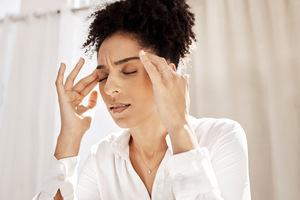
Anxiety affects both the mind and the body. Mental symptoms include excessive worry, difficulty concentrating, irritability, and a sense of dread that is out of proportion to the actual situation. Physical symptoms are often overlooked as anxiety — but a racing heart, tightness in the chest, shortness of breath, muscle tension, chronic headaches, stomach problems, and disrupted sleep are all well-documented physical manifestations of anxiety. Many people seek care for these physical symptoms for months before anyone asks about anxiety.
Signs that anxiety is affecting your daily life
The clearest signal that anxiety warrants professional evaluation is functional impairment — when anxiety starts limiting what you can do or enjoy. Some common examples include:
- Avoiding situations, places, or activities because they trigger worry or fear.
- Difficulty concentrating at work or school because worry keeps intruding.
- Tension or conflict in relationships because anxiety makes it hard to be fully present.
- Disrupted sleep — either difficulty falling asleep because your mind won't quiet, or waking up anxious in the middle of the night.
- Turning down social invitations, opportunities, or experiences due to anticipatory anxiety.
- Spending significant time each day worrying about things you cannot control.
You do not need to be experiencing all of these to benefit from help. Even one area of significant functional impact is a reasonable reason to reach out.
Generalized anxiety disorder and other anxiety diagnoses
While all anxiety exists on a continuum, clinicians use specific diagnostic criteria to identify anxiety disorders. Generalized anxiety disorder (GAD) is characterized by persistent, difficult-to-control worry about multiple areas of life — health, finances, work, family — lasting most days for at least six months, accompanied by at least three physical or cognitive symptoms such as restlessness, fatigue, muscle tension, or sleep problems.
Panic disorder involves recurrent, unexpected panic attacks — sudden surges of intense fear with physical symptoms like pounding heart, sweating, trembling, dizziness, or a feeling of unreality — followed by persistent concern about having another attack or significant changes in behavior to avoid them. Social anxiety disorder involves intense fear of social situations due to concern about being judged or embarrassed. Specific phobias involve marked fear of specific objects or situations out of proportion to the actual danger.
These diagnoses are not just labels. They guide treatment decisions and predict which interventions are most likely to help. A clinician can help determine which, if any, of these patterns applies to your experience.
Evidence-based treatments for anxiety
The two most effective treatments for anxiety disorders are cognitive behavioral therapy (CBT) and medication, and research consistently shows that the combination of both produces the best outcomes for many people.
CBT is the most extensively researched psychological treatment for anxiety. It works by teaching you to identify and challenge the thought patterns that fuel anxiety and to gradually approach feared situations rather than avoid them — a process called exposure. The evidence base for CBT is robust: it is effective for generalized anxiety disorder, panic disorder, social anxiety disorder, and specific phobias. Multiple systematic reviews and meta-analyses published in peer-reviewed journals confirm these effects.
Medications used for anxiety include selective serotonin reuptake inhibitors (SSRIs) and serotonin-norepinephrine reuptake inhibitors (SNRIs), which are first-line pharmacological treatments. They typically take 4 to 6 weeks to reach full effect. Buspirone is another option for GAD. Short-term use of benzodiazepines may be considered in limited circumstances, though they carry risks of dependence and are not appropriate for long-term management of anxiety disorders.
Why early intervention matters
Research consistently shows that the longer anxiety disorders go untreated, the more entrenched they can become. Avoidance — the most common behavioral response to anxiety — tends to reinforce fear over time, not reduce it. People who seek help earlier in the course of an anxiety disorder typically respond better to treatment, require less intensive intervention, and recover more completely.
There is no minimum threshold of suffering you need to cross before seeking help. If anxiety is causing you distress or limiting your life in any meaningful way, that is sufficient reason to make an appointment. Waiting until things are "bad enough" often means waiting longer than necessary and prolonging unnecessary suffering.
Self-help strategies with evidence behind them
While professional treatment is the most reliable path for moderate-to-severe anxiety, several self-directed strategies have meaningful evidence for reducing anxiety symptoms. Regular aerobic exercise has been shown in multiple studies to reduce anxiety, likely through effects on neurotransmitter systems and the stress-response axis. Sleep hygiene — consistent sleep and wake times, limiting screens before bed, keeping the bedroom cool and dark — significantly affects anxiety levels, as poor sleep and anxiety have a bidirectional relationship. Limiting caffeine and alcohol is particularly important, as both can worsen anxiety. Mindfulness-based stress reduction (MBSR) has a growing evidence base for anxiety reduction. These strategies can complement professional treatment, though they are rarely sufficient as a standalone approach for anxiety disorders of moderate or greater severity.
When to visit urgent care
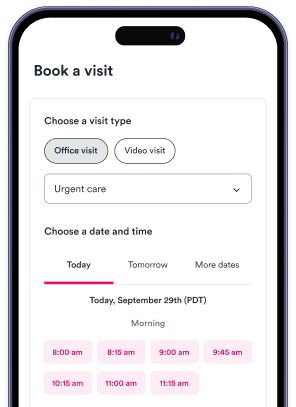
If anxiety is interfering with your daily life, you are experiencing panic attacks, or you are not sure where to start, visit a nearby urgent care or telehealth clinic for same-day evaluation. Providers can screen for anxiety using validated tools, discuss treatment options, prescribe first-line medications, and connect you with appropriate mental health resources.
Frequently asked questions
How do I know if my anxiety is 'bad enough' to see someone?
There's no minimum level of suffering required to seek help. A useful guideline: if your anxiety is affecting how you function at work, in relationships, or in daily life — or if you're avoiding things because of fear — it's worth talking to someone.
What kind of provider should I see for anxiety?
A therapist, psychologist, or psychiatrist can all treat anxiety. Therapists typically offer CBT, which has the strongest evidence base. Primary care providers and telehealth providers can also assess anxiety and prescribe first-line medications.
What is CBT and does it work for anxiety?
CBT is the most extensively studied psychological treatment for anxiety. It works by helping you identify and change unhelpful thought patterns and gradually face feared situations. Multiple meta-analyses confirm its effectiveness for generalized anxiety, panic disorder, and social anxiety.
Can telehealth help with anxiety?
Yes. Multiple studies have found telehealth therapy for anxiety to be as effective as in-person treatment. Telehealth removes practical barriers and often means people get help sooner. Many platforms can also prescribe anxiety medications.
Are there things I can do on my own before seeing a provider?
Self-help strategies with good evidence include regular aerobic exercise, sleep hygiene, limiting caffeine and alcohol, and mindfulness meditation. These can reduce anxiety symptoms, though they're rarely sufficient on their own for moderate-to-severe anxiety.
 Urgent care near me