Urgent care near me
On-demand lab testing
Ensure your health. Get tested today.
Convenient lab testing at your fingertips at more than 5,000 locations nationally. Consult with a doctor, or get tested on your own.
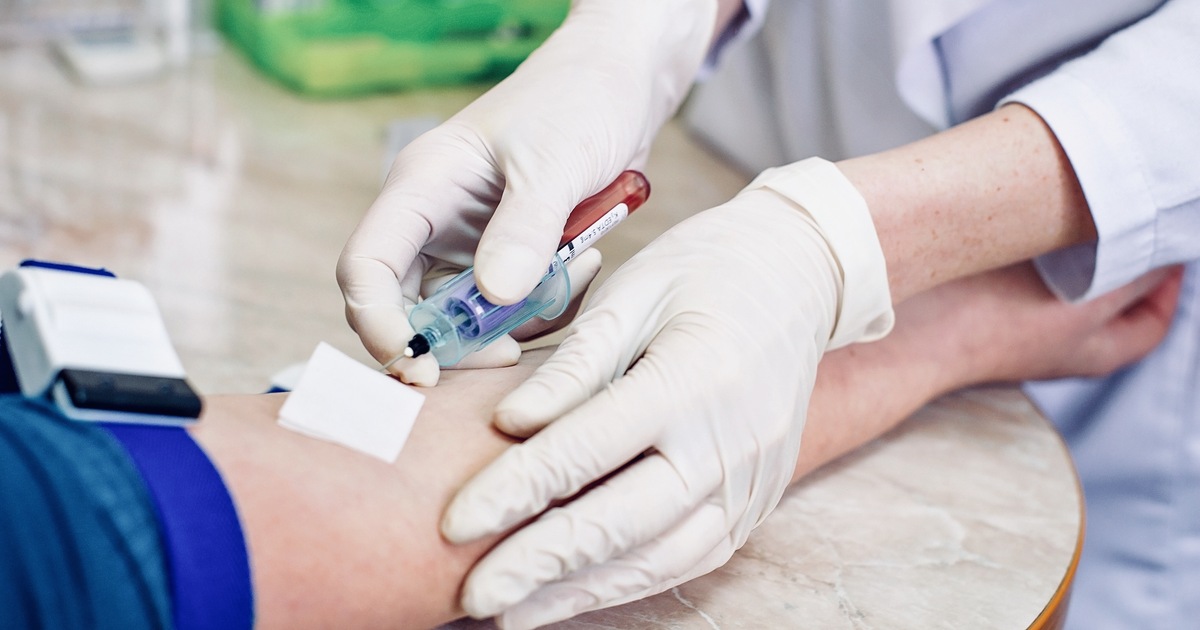
Without insurance, blood tests typically range from about $10 to $300 at retail or direct-to-consumer labs and can climb past $1,000 for the same panels at a hospital. The single biggest cost lever is where you have the blood drawn — pricing for the same lab test can vary by tens or even thousands of dollars across facilities.1
Cash prices for common blood tests vary widely by facility type. Here's what current published data show as typical ranges in the United States:1,2
One California analysis of 10 common blood tests found that the same lipid panel could cost as little as $10 or as much as $10,000 at the same hospital depending on payer.2 The lesson: published prices and what you actually pay can vary dramatically, so you should always ask for the cash price up front.
Blood test pricing varies for several reasons:1,3
Direct-to-consumer (DTC) labs and retail diagnostic chains tend to publish flat cash prices and are usually the lowest-cost option for routine tests like a CBC, CMP, or A1c. Studies comparing physician-ordered hospital pricing to DTC pricing have found DTC services to be substantially less expensive for uninsured patients.1
Tactics that consistently lower the bill:
The federal No Surprises Act protects insured patients from balance billing for many out-of-network services tied to in-network facilities, and offsite labs may be covered under those protections when ordered during an in-network visit.5 If you're paying cash, you also have a right to a Good Faith Estimate before scheduled services — including outpatient lab work — under the same law.5
If you receive a bill that's substantially higher than the estimate you were given, you can dispute it through the federal patient-provider dispute resolution process.
Many urgent care centers can either run common point-of-care tests on site (such as flu, strep, A1c, or basic chemistry panels) or draw blood and send it to a reference lab. Pricing varies, but urgent care is often cheaper than a hospital outpatient lab and faster than scheduling at a retail lab. If you're uninsured, ask the urgent care up front whether the visit fee includes labs and whether they offer a self-pay package rate.
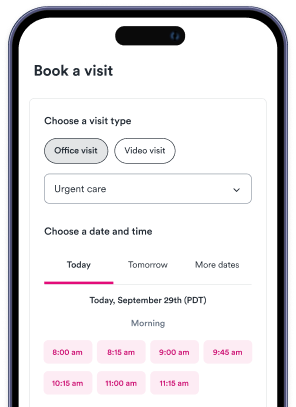
If you need blood work today and are paying out of pocket, Solv can help you find an urgent care or walk-in clinic near you that offers same-day labs at a transparent price. You can compare locations, check estimated cash rates, and reserve a time before you arrive — so you know what you'll pay before the needle goes in.
At-home and mail-in blood tests can be cheaper for routine wellness panels, especially when bundled. They're a reasonable option for healthy adults tracking general markers, but if your clinician needs the result for diagnosis or treatment, in-person draws at a CLIA-certified lab are usually preferred for accuracy and follow-up.
Yes — direct-to-consumer labs and many retail lab chains let you order a panel online or in-store without a separate provider visit. Check that the lab is CLIA-certified and confirm whether a clinician will be available to discuss results, especially if anything comes back abnormal.
Many do. Larger chains and hospital-affiliated urgent care centers often offer payment plans, prompt-pay discounts, or sliding-scale rates for uninsured patients. Ask at check-in whether they have a financial assistance policy or self-pay package.
Yes. Federally Qualified Health Centers and many community clinics offer significantly reduced lab pricing based on income. Some have on-site phlebotomy; others partner with local labs to offer subsidized rates. Bring proof of income and ID to qualify for sliding-scale fees.
The Affordable Care Act preventive coverage rules apply to insured patients, not the uninsured. However, certain federally funded screening programs offer free or low-cost tests for specific conditions like diabetes, HIV, or hepatitis. Local health departments and FQHCs are the best place to ask.
Point-of-care tests (like flu, strep, A1c, or basic chemistry) often produce results within 15 to 30 minutes. Tests sent out to a reference lab — like thyroid panels, vitamin D, or comprehensive metabolic panels — typically take 24 to 72 hours. Ask which tests are run on site versus sent out.
Convenient lab testing at your fingertips at more than 5,000 locations nationally. Consult with a doctor, or get tested on your own.

Medically reviewed
View this article's sources and history, and read more about Solv's Content Mission Statement, editorial process, and editorial team.
Solv has strict sourcing guidelines and relies on peer-reviewed studies, academic research institutions, and medical associations. We avoid using tertiary references.
Solv’s team of medical writers and experts review and update our articles when new information becomes available.
Written by Solv Editorial Team
Medically reviewed by: Dr. Rob Rohatsch, MD
Edited by Solv Editorial Team
Edited by Solv Editorial Team
Edited by Solv Editorial Team
Edited by Solv Editorial Team
Edited by Solv Editorial Team
Convenient lab testing at your fingertips at more than 5,000 locations nationally. Consult with a doctor, or get tested on your own.