Urgent care near me
 Key points
- RSV, flu, and colds share symptoms but differ in severity and treatment.
- Flu comes on suddenly with fever and body aches; colds develop gradually.
- RSV is most dangerous for infants, elderly, and immunocompromised individuals.
- Antivirals for flu work best when started within 48 hours of symptoms.
- Get tested at urgent care to confirm your diagnosis and guide treatment.
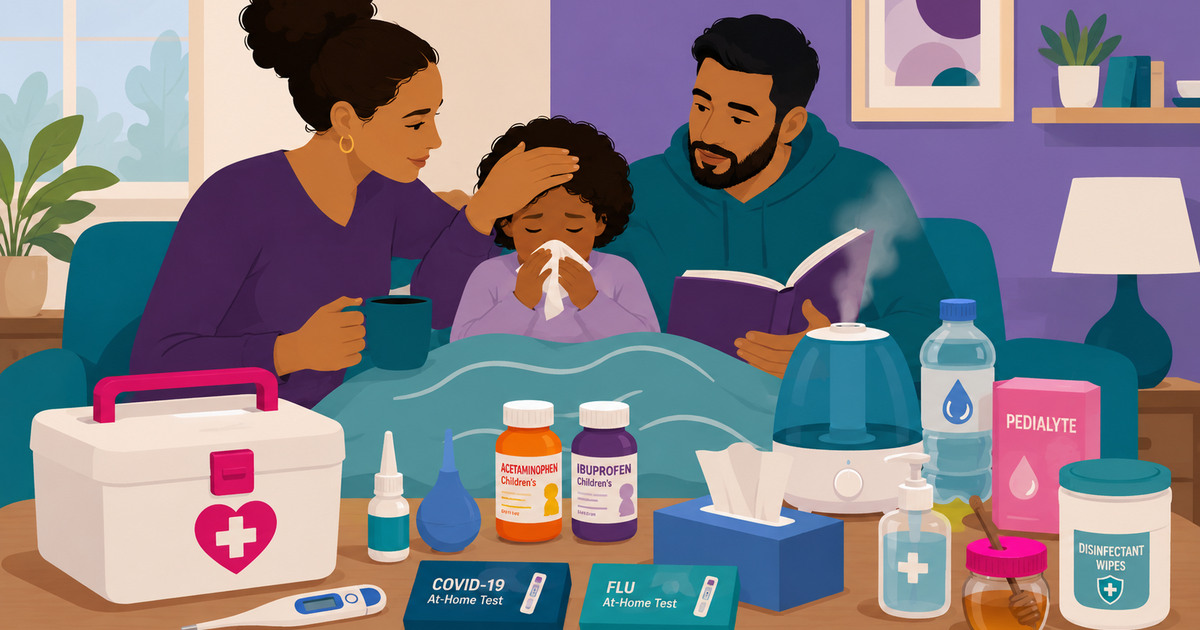
When someone in your household starts sniffling, coughing, or running a fever, the questions pile up fast: Is it just a cold? The flu? RSV? During respiratory illness season, symptoms can look similar at first. Most respiratory infections can be managed safely at home—this guide helps you sort through the symptoms, treat what you can, and recognize when to seek medical help.
Symptom snapshot: How to tell the difference
While colds, flu, and RSV are all respiratory viruses, they each have distinct patterns:
Common Cold: Gradual onset over 1–2 days. Mild runny nose, sneezing, congestion. Low or no fever. Energy mostly normal. Usually clears within a week.
Flu (Influenza): Sudden onset, often within hours. High fever (101°F+), chills, sweats. Severe body aches and headache. Extreme fatigue. Dry cough and sore throat. Can knock you out for several days.
RSV (Respiratory Syncytial Virus): Starts like a regular cold, then worsens around days 3–5. Deep wet-sounding cough. Wheezing or rapid, shallow breathing—especially concerning in infants. Trouble feeding or staying hydrated. In babies: flaring nostrils or chest pulling in with each breath.
Step 1: Stay home and rest
Keep sick family members out of school, work, and public spaces. Set up a comfortable recovery area with plenty of fluids, tissues, and entertainment. Encourage frequent sips of water, broth, or electrolyte drinks. Light, nutritious foods are ideal—don't force eating if appetite is low. The body needs energy to fight infection, and rest is the best medicine.
Step 2: Treat symptoms based on what you see
- Fever: Use acetaminophen or ibuprofen according to age and weight guidelines (never give aspirin to children). Keep the sick person in light clothing and a cool room.
- Cough and congestion: Saline nasal spray clears stuffy noses. A cool mist humidifier eases breathing. Honey soothes coughs in children over 1 year old. Older kids and adults may find relief with cough drops or warm tea with honey and lemon.
- Sore throat or body aches: Over-the-counter pain relievers, warm compresses, throat lozenges, and warm liquids help. Gargling with warm salt water can ease throat pain in older children and adults.
- Breathing issues or wheezing: Watch closely. In young children, breathing problems can worsen quickly. If symptoms don't improve or worsen, seek urgent care right away.
- High fever above 102°F lasting more than 2–3 days
- Trouble breathing, wheezing, or visible chest retractions
- Signs of dehydration: no urination for 8+ hours, dry mouth, no tears when crying
- Blue or gray color around lips, face, or fingernails
- Any fever in a baby under 3 months old
- Illness that improves and then suddenly gets worse
When to go to urgent care
Most colds, flu, and mild RSV improve with home care. Seek medical attention for:
What to stock in your sick day kit
Be prepared so you're not making late-night pharmacy runs: digital thermometer; acetaminophen and ibuprofen (adult and children's formulations); saline nasal spray and bulb syringe; cool mist humidifier; rehydration drinks like Pedialyte or Gatorade; at-home COVID and flu test kits; tissues, hand sanitizer, and disinfectant wipes; honey (for children over 1 year).
Not sure what you're dealing with? Find urgent care near you
When symptoms are confusing or getting worse, don't wait or guess. Use Solv to find your local urgent care for same-day testing and treatment.
Frequently asked questions
Can RSV affect adults too?
Yes. In healthy adults, RSV typically causes cold-like symptoms. Older adults and those with weakened immune systems or chronic conditions can develop more serious illness, including pneumonia.
How do I know if it's a virus or something bacterial?
Viral infections come with runny nose, cough, and body aches. Bacterial infections like strep throat or ear infections often cause more localized symptoms and may not improve without antibiotics. If fever persists beyond a few days or symptoms worsen, see a provider.
Can I treat RSV at home?
Many cases in older children and adults can be managed at home with rest, fluids, and symptom relief. RSV in infants and children under 2 is more serious. If you notice rapid breathing, wheezing, trouble feeding, or dehydration signs, contact your doctor or visit urgent care.
How long is someone with cold, flu, or RSV contagious?
Flu is typically contagious from one day before symptoms appear through five to seven days after. RSV can spread for three to eight days. Colds are most contagious in the first two to three days. Isolation and hand hygiene during this window help limit spread to others.
Should I go to urgent care or the ER for flu or RSV?
Urgent care handles most flu and RSV cases — testing, antivirals, supportive treatment. Go to the ER if you experience chest pain, difficulty breathing, confusion, severe dehydration, or lips/fingernails turning blue. Infants under 3 months with any fever should also go to the ER immediately.
Can antiviral medications shorten how long I am sick?
Yes, for flu. Antivirals like oseltamivir (Tamiflu) work best when started within 48 hours of symptom onset and can shorten illness by one to two days. There are no approved antivirals for the common cold. RSV treatment is primarily supportive, with antivirals reserved for severe cases in high-risk patients.

Dr. Linda Halbrook is a Board-Certified Family Medicine physician with over 40 years of experience, dedicated to providing comprehensive care to patients across Texas. She retired from practice but currently serves on the Clinical Services Committee of CommonGood Medical, a non-profit organization serving the uninsured in Collin County.
How we reviewed this article
Medically reviewed
View this article's sources and history, and read more about Solv's Content Mission Statement, editorial process, and editorial team.
5 sources
Solv has strict sourcing guidelines and relies on peer-reviewed studies, academic research institutions, and medical associations. We avoid using tertiary references.
- Respiratory Syncytial Virus Infection. cdc.gov (Jan 5, 2026)
- Influenza . (Jan 5, 2026) cdc.gov (Flu)
- Common Cold. medlineplus.gov (Jan 5, 2026)
- Influenza. who.int (Jan 5, 2026)
- RSV in Infants and Young Children. cdc.gov (Jan 5, 2026)
Solv’s team of medical writers and experts review and update our articles when new information becomes available.
June 03 2026
Written by Solv Editorial Team
Medically reviewed by: Dr. Rob Rohatsch, MD
June 03 2026
Edited by Solv Editorial Team