Urgent care near me
 Key points
- For mild reactions, oral antihistamines and removing the trigger usually stop symptoms.
- Anaphylaxis requires epinephrine immediately — antihistamines do not reverse airway swelling or low blood pressure.
- Use your epinephrine auto-injector at the first sign of severe symptoms and then call 911.
- See an allergist if your reactions are recurring, severe, hard to control, or affect daily life.
- Long-term management may include allergen avoidance, daily medication, or immunotherapy.
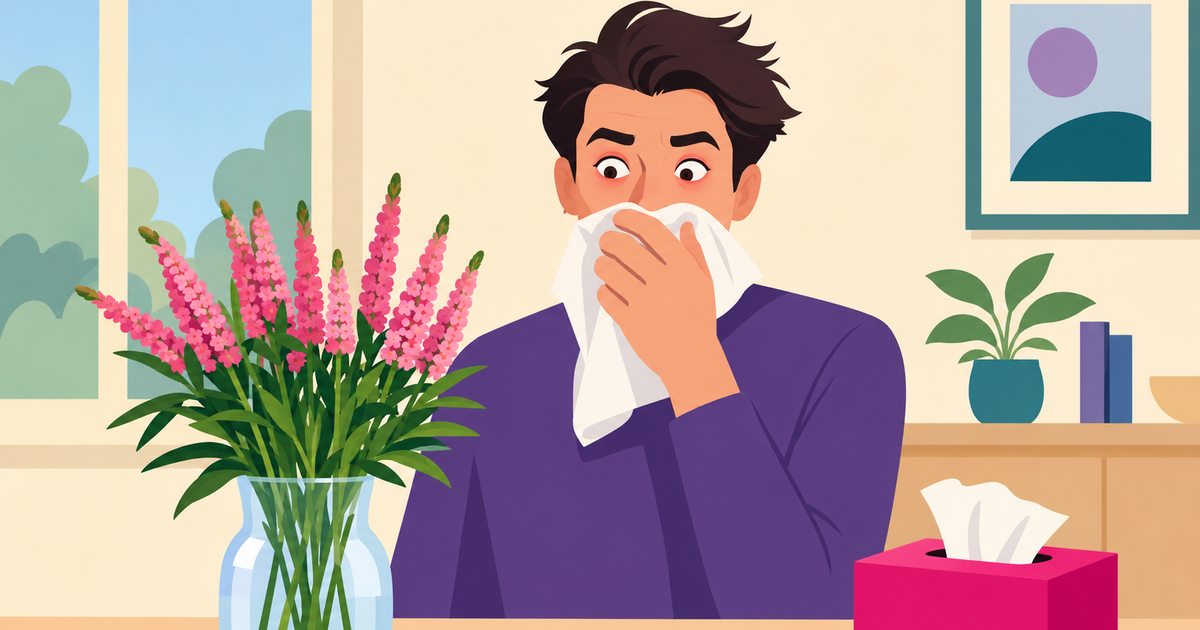
To stop an allergy attack, the first step is to identify how severe it is. Mild reactions — itching, hives, sneezing, or a runny nose — usually respond to an oral antihistamine and removing the trigger. A severe reaction (anaphylaxis) — trouble breathing, throat tightness, dizziness, or hives plus vomiting — needs epinephrine right away, followed by a 911 call.1,2
What does an allergy attack look like?
Allergy symptoms range from mild to life-threatening. Mild symptoms include itching, sneezing, watery eyes, hives, and a runny nose. Moderate symptoms include facial swelling, widespread hives, or wheezing. Severe symptoms — anaphylaxis — include trouble breathing, repetitive cough, weak pulse, generalized hives, tightness in the throat, trouble swallowing, or symptoms across more than one body area.2,3
How do I stop a mild allergy attack?
Remove the trigger if you can — leave the area, wash off contact allergens, or stop eating the suspect food. An over-the-counter second-generation oral antihistamine such as cetirizine, loratadine, or fexofenadine usually controls itching and hives within an hour or two. For nasal symptoms, an intranasal steroid spray can help. Cool compresses ease hives. Avoid driving if you take a sedating antihistamine like diphenhydramine.4
What if symptoms are moderate or worsening?
Symptoms involving the throat, lungs, gut, or blood pressure are warning signs that a reaction may progress. If you have a prescribed epinephrine auto-injector or nasal spray and your symptoms include any of the severe signs above — or if you're unsure — use it.2 Epinephrine is the first-line treatment for anaphylaxis; antihistamines are not adequate substitutes and do not reverse swelling of the airway or low blood pressure.3
How do I use an epinephrine auto-injector?
Remove the safety cap. Hold the device firmly against the outer thigh — through clothing is fine — and press until you hear a click. Hold in place for the time listed on your device (typically several seconds), then call 911 immediately. A second dose may be needed if symptoms don't improve in 5–15 minutes.2
When should I call 911 or go to the ER?
Call 911 for any signs of anaphylaxis — trouble breathing, throat tightness, fainting, a fast or weak pulse, or a serious reaction affecting more than one body system. Always go to the ER after using epinephrine, even if symptoms improve, because reactions can return hours later (a biphasic reaction).1,2
When should I go to urgent care?
Urgent care is appropriate for moderate symptoms that don't meet anaphylaxis criteria — a widespread but stable hive outbreak, a worsening allergic rash, persistent eye or nasal symptoms, or follow-up care after a mild reaction. If symptoms include any breathing or airway involvement, go to the ER or call 911 instead.
When should I see an allergist?
See a board-certified allergist if you've had an anaphylactic reaction; your symptoms are recurring or hard to control; you need daily medication; you've had reactions to medications, foods, or insect stings; or you want to discuss desensitization (immunotherapy). An allergist can also help confirm whether a past reaction was true anaphylaxis and create an action plan.3,5
How do I prevent future allergy attacks?
Identify and avoid triggers, wear a medical ID for severe allergies, refill your epinephrine prescription before it expires, and review your action plan with family, caregivers, or school staff each year. For ongoing environmental allergies, your clinician may recommend daily medication or allergy immunotherapy.5
Next steps
If you're having symptoms now and unsure where to go, urgent care can evaluate mild to moderate reactions same-day. Find an urgent care near you on Solv. For any signs of anaphylaxis, call 911.
Frequently asked questions
Should I take an antihistamine while waiting for epinephrine to work?
Antihistamines can be used as a secondary therapy after epinephrine for skin symptoms like hives or itching, but they should never delay or replace epinephrine in a suspected anaphylactic reaction.
How long does an allergy attack last?
Mild allergy symptoms often resolve within hours of removing the trigger and taking an antihistamine. Anaphylaxis can return as a biphasic reaction hours after the initial event, which is why ER monitoring is recommended.
Can children use the same epinephrine auto-injectors as adults?
Auto-injectors come in weight-based doses. Children below a certain weight use a lower-dose pediatric device; older children and adults use the standard dose. Your prescriber will choose the right strength.
Is Benadryl enough for hives that cover my body?
Diphenhydramine (Benadryl) and other antihistamines can help with hives, but widespread hives plus any other symptom (vomiting, wheezing, dizziness) is a sign of anaphylaxis and requires epinephrine and 911.
Can I become allergic to something I've eaten for years?
Yes. Adult-onset food allergies — including to shellfish, tree nuts, fish, and even meat — are increasingly recognized. A new or unexplained reaction should be evaluated by an allergist.
Do I need to go to the ER after using my EpiPen if I feel fine?
Yes. Reactions can return hours later (biphasic reactions). Current guidance is to call 911 and be observed in an ER setting after any epinephrine dose for anaphylaxis.

Dr. Linda Halbrook is a Board-Certified Family Medicine physician with over 40 years of experience, dedicated to providing comprehensive care to patients across Texas. She retired from practice but currently serves on the Clinical Services Committee of CommonGood Medical, a non-profit organization serving the uninsured in Collin County.
How we reviewed this article
Medically reviewed
View this article's sources and history, and read more about Solv's Content Mission Statement, editorial process, and editorial team.
5 sources
Solv has strict sourcing guidelines and relies on peer-reviewed studies, academic research institutions, and medical associations. We avoid using tertiary references.
- Mayo Clinic. Anaphylaxis: First aid. mayoclinic.org
- American College of Allergy, Asthma & Immunology . Epinephrine auto-injector. acaai.org (ACAAI)
- American College of Allergy, Asthma & Immunology . Anaphylaxis: causes, symptoms & treatment. acaai.org (ACAAI)
- Cleveland Clinic. Anaphylaxis: causes, symptoms, diagnosis & treatment. my.clevelandclinic.org
- Reber LL, Hernandez JD, Galli SJ. Management and Prevention of Anaphylaxis. PMC — National Institutes of Health. pmc.ncbi.nlm.nih.gov
Solv’s team of medical writers and experts review and update our articles when new information becomes available.
March 21 2025
Written by Solv Editorial Team
Medically reviewed by: Dr. Rob Rohatsch, MD
May 08 2026
Edited by Solv Editorial Team
May 12 2026
Edited by Solv Editorial Team
May 23 2026
Edited by Solv Editorial Team
May 27 2026
Edited by Solv Editorial Team