Urgent care near me
 Key points
- Chronic stress can cause headaches, stomachaches, fatigue, and weakened immunity.
- The body's stress response is designed for short-term threats, not chronic pressure.
- Exercise, sleep, and mindfulness help manage physical stress symptoms effectively.
- If stress symptoms persist, a provider can rule out other underlying causes.
- Therapy addresses the root cause of stress-related physical symptoms.
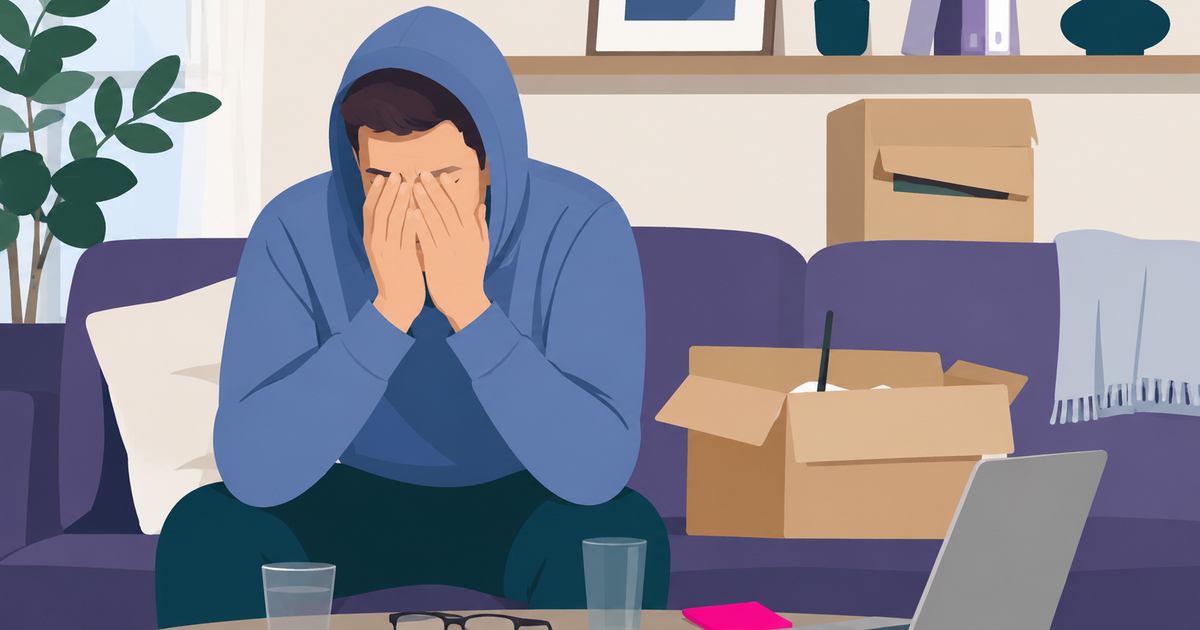
Stress doesn't just weigh on your mind—it can make your body feel sick too. When stress becomes chronic, it puts your nervous system on overdrive, weakens immune function, and throws off hormone balance. The result: headaches, stomach issues, muscle tension, and frequent colds. It's your body signaling that it's running on empty.
How stress shows up in your body
Your body naturally kicks into "fight or flight" mode during stress—a survival response designed for short-term challenges. The problem is when stress doesn't let up: your body stays in high gear far longer than it should. This constant overdrive causes muscle tension, pounding headaches, digestive upset (nausea, cramps, IBS symptoms), fatigue during the day with inability to sleep at night, heart racing, chest tightness, and more frequent colds from immune suppression. Even your skin and hair can be affected.
How to manage stress-related physical symptoms
Small, steady changes make the biggest difference—no complete lifestyle overhaul required:
- Practice deep breathing or guided relaxation to calm your nervous system
- Get light physical activity—walking or stretching—to release tension
- Prioritize sleep by keeping a regular bedtime and limiting screen time before bed
- Eat regular, balanced meals to keep energy stable
- Stay hydrated throughout the day
- Limit caffeine and alcohol, which make stress and sleep problems worse
- Journal or talk to a friend to process emotions in a healthy way
When to see a doctor for chronic stress
Home strategies aren't always enough. See a healthcare provider if your symptoms stick around for more than a few days, interfere with your daily routine, or include unexplained pain, severe digestive issues, or constant fatigue. Your provider can rule out other causes and may recommend short-term medications to ease symptoms, counseling or therapy, or mind-body approaches like biofeedback or cognitive behavioral therapy (CBT).
Treating the root cause: managing your stress
Easing symptoms matters, but the real key is addressing what's fueling your stress. Reflect on your daily life: Are deadlines, lack of boundaries, or constant screen time keeping you on edge? Therapy or coaching can give you coping strategies. Time management and learning to say no prevent your plate from overflowing. Short breaks, device-free time, and mindfulness practice create space for calm. Unchecked stress can build into burnout, anxiety, or depression—addressing the root cause is just as important as managing symptoms.
Feeling run down? Talk to a provider today
Visit a nearby urgent care clinic to get help for physical symptoms and guidance on managing stress. Support is available with same-day visits.
Frequently asked questions
Can stress really cause stomach problems?
Yes. Stress disrupts digestion, leading to nausea, cramps, bloating, or IBS flare-ups.
Why does stress make me feel tired all the time?
Chronic stress keeps your body in overdrive, draining energy and interfering with restful sleep.
Is it normal to get sick more often when you're stressed?
Yes. Long-term stress weakens your immune system, making it easier to catch colds and other infections.
Will managing stress make my physical symptoms go away?
Often yes—reducing stress can ease or eliminate related physical symptoms, though it takes time and consistent effort.
How do I know if my physical symptoms are from stress or something else?
Stress-related symptoms typically appear during or after periods of high stress and improve when stress is reduced. If symptoms are severe, persistent, or accompanied by alarming signs like chest pain, shortness of breath, or sudden weight loss, see a provider to rule out an underlying medical cause. Urgent care can evaluate unexplained physical symptoms quickly.
Can chronic stress permanently damage my health?
Long-term unmanaged stress is associated with increased risk of cardiovascular disease, weakened immune function, metabolic disorders, and mental health conditions like anxiety and depression. The good news: the body's stress response is reversible. Regular stress management practices — exercise, sleep, therapy — can meaningfully reduce these long-term risks.

Dr. Linda Halbrook is a Board-Certified Family Medicine physician with over 40 years of experience, dedicated to providing comprehensive care to patients across Texas. She retired from practice but currently serves on the Clinical Services Committee of CommonGood Medical, a non-profit organization serving the uninsured in Collin County.
How we reviewed this article
Medically reviewed
View this article's sources and history, and read more about Solv's Content Mission Statement, editorial process, and editorial team.
5 sources
Solv has strict sourcing guidelines and relies on peer-reviewed studies, academic research institutions, and medical associations. We avoid using tertiary references.
- How stress affects your health. apa.org (Aug 18, 2025)
- Stress and your health. womenshealth.gov (Aug 18, 2025)
- 5 Things You Should Know About Stress. nimh.nih.gov (Aug 18, 2025)
- Coping with Stress. cdc.gov (Aug 18, 2025)
- Stress Management. mayoclinic.org (Aug 18, 2025)
Solv’s team of medical writers and experts review and update our articles when new information becomes available.
May 27 2026
Written by Solv Editorial Team
Medically reviewed by: Dr. Rob Rohatsch, MD
May 28 2026
Edited by Solv Editorial Team
June 03 2026
Edited by Solv Editorial Team
June 23 2026
Edited by Solv Editorial Team