Urgent care near me
 Key points
- Stock fever reducers, decongestants, and throat lozenges before flu season.
- A thermometer helps you monitor symptom severity at home.
- Check expiration dates and replace outdated medications before flu season.
- Electrolyte drinks and clear broths help maintain hydration during illness.
- Visit urgent care if symptoms worsen or don't improve in 3 days.
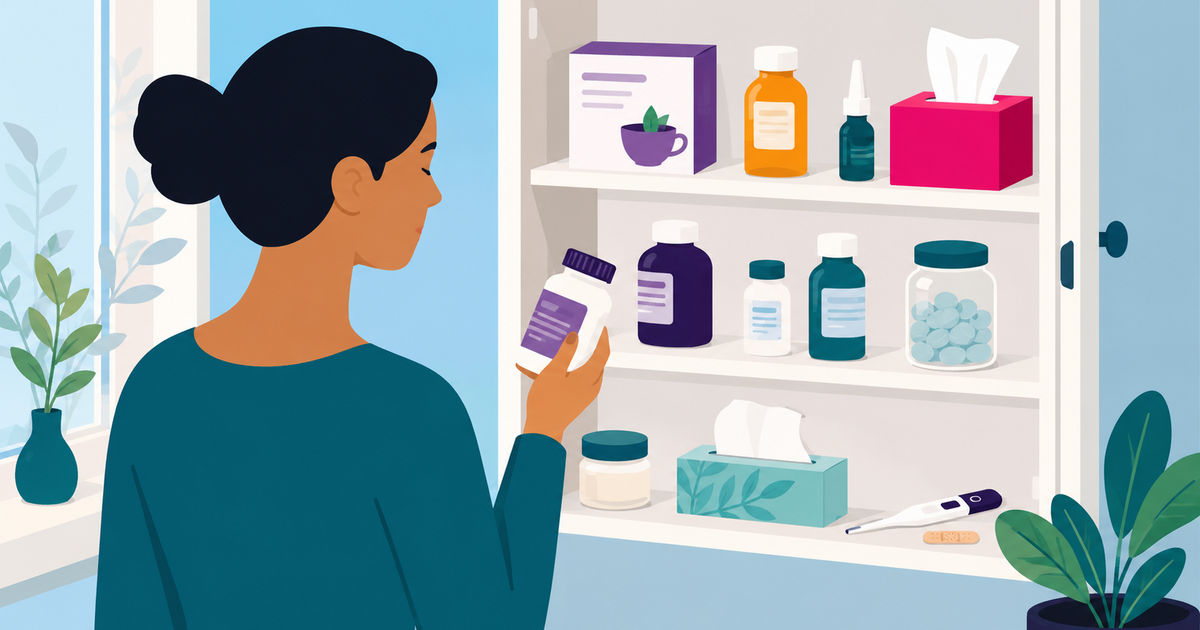
Flu season has a way of showing up fast. One day everyone's fine—the next you're digging through drawers at 2 a.m. looking for a thermometer. Stocking your medicine cabinet before anyone gets sick saves stress and last-minute pharmacy runs. And it's not just influenza going around: cold viruses, RSV, and COVID tend to spike around the same time, especially in homes with kids.
What to stock before flu season hits
1. Pain and fever relief
Acetaminophen (Tylenol) and ibuprofen (Advil or Motrin) are the workhorses of flu season—bringing down fever and easing headaches, body aches, and sore throats. Make sure you have the right formulations for your household: infant or toddler liquid, children's chewables, and adult tablets. Check expiration dates now. Children's doses are weight-based, so keep a proper measuring syringe or cup on hand. A reliable digital thermometer is essential for deciding whether to treat at home or head to urgent care.
2. Cough and congestion support
- Dry cough: Cough suppressants with dextromethorphan (look for "DM" formulas) help calm the urge to cough.
- Wet/productive cough: Expectorants with guaifenesin loosen mucus so it's easier to clear.
- Stuffy nose: Decongestants (pseudoephedrine or phenylephrine) work for adults; check age-appropriateness for kids. Saline nasal spray is an all-ages, medication-free option.
- Dry air: A cool mist humidifier eases throat irritation and reduces congestion intensity.
3. Stomach symptom soothers
Antacids (Tums, famotidine) handle heartburn and stomach discomfort. Ginger chews help with nausea. Loperamide can slow diarrhea. Most importantly: keep Pedialyte or electrolyte powder packets on hand—they replace fluids and electrolytes far better than plain water when you're losing fluids from vomiting or diarrhea.
4. Comfort items
Tissues with lotion (regular tissues are rough on a raw nose). Throat lozenges or Chloraseptic spray for sore throat pain. Herbal teas—ginger for nausea, lemon for vitamin C, honey to coat the throat. A heating pad for muscle aches. Hand sanitizer and disinfectant wipes to stop germs from spreading through the household.
5. COVID-19 and flu test kits
Keep a few at-home COVID-19 tests stashed away. Combo tests that check for both COVID and flu are especially convenient since symptoms can feel similar. Knowing what you're dealing with helps you decide whether to stay home, go to urgent care, or just rest it out.
Medicine cabinet tips
Despite the name, your bathroom is one of the worst places to store medications—heat and humidity from showers degrade effectiveness. Store in a cool, dry spot out of reach of kids and pets. Check expiration dates every few months. Keep a dosing chart for children inside the cabinet door. Organize by symptom category so you can find what you need fast when you're already feeling awful.
When to go to urgent care
- High fever: Above 102°F lasting more than a couple of days
- Trouble breathing: Wheezing, difficulty catching breath, or chest pain
- Dehydration: Dry mouth, very little urination, no tears when crying in young children
- High-risk individuals: Very young children, elderly, or anyone with a weakened immune system
- Uncertainty: Rapid flu or COVID testing at urgent care guides better treatment decisions
Feeling under the weather? Find urgent care near you
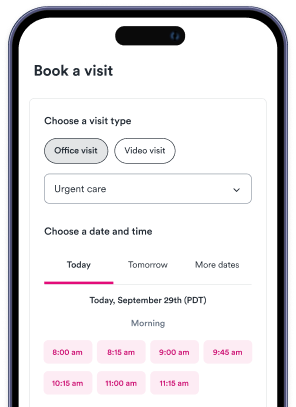
Use Solv to find your nearest urgent care for same-day flu or COVID testing and expert treatment—walk in or book an appointment online.
Frequently asked questions
What's the difference between cold and flu symptoms?
Colds come on gradually with a runny nose, sneezing, and mild fatigue. The flu hits suddenly with high fever, body aches, and extreme exhaustion. If you feel like you were run over overnight, it's probably the flu.
How do I know if it's RSV or the flu?
Both cause fever, cough, and general misery, but RSV is more common in babies and young kids and often causes wheezing and rapid breathing. The only way to know for sure is to get tested at urgent care, especially if breathing problems develop.
Where can I get same-day flu testing?
Most urgent care centers and walk-in clinics offer same-day flu testing without an appointment. Many pharmacies also offer rapid flu tests on-site.
Feeling under the weather? Find urgent care near you
Use Solv to find your nearest urgent care for same-day flu or COVID testing and expert treatment—walk in or book an appointment online. Cold vs. Flu. (Jan 3, 2026) cdc.gov
Is it a cold, flu, or COVID? (Jan 3, 2026) nia.nih.gov
How to store your medicines. (Jan 3, 2026) medlineplus.gov

Dr. Linda Halbrook is a Board-Certified Family Medicine physician with over 40 years of experience, dedicated to providing comprehensive care to patients across Texas. She retired from practice but currently serves on the Clinical Services Committee of CommonGood Medical, a non-profit organization serving the uninsured in Collin County.
How we reviewed this article
Medically reviewed
View this article's sources and history, and read more about Solv's Content Mission Statement, editorial process, and editorial team.
3 sources
Solv has strict sourcing guidelines and relies on peer-reviewed studies, academic research institutions, and medical associations. We avoid using tertiary references.
- Cold vs. Flu. cdc.gov (Jan 3, 2026)
- Is it a cold, flu, or COVID? nia.nih.gov (Jan 3, 2026)
- How to store your medicines. medlineplus.gov (Jan 3, 2026)
Solv’s team of medical writers and experts review and update our articles when new information becomes available.
June 01 2026
Written by Solv Editorial Team
Medically reviewed by: Dr. Rob Rohatsch, MD
June 03 2026
Edited by Solv Editorial Team