Urgent care near me
 Key points
- Children dehydrate faster than adults due to higher metabolic rate and less efficient kidneys — even 1 to 2 percent fluid loss causes symptoms
- Early signs include fewer wet diapers, dark urine, dry mouth, no tears when crying, and irritability
- Severe dehydration signs — no urination for 8 hours, sunken eyes, or marked drowsiness — require immediate medical care
- Oral rehydration solutions like Pedialyte are more effective than water or juice for treating mild dehydration in children
- Seek urgent care if your child cannot keep fluids down or is not improving with oral rehydration after a few hours
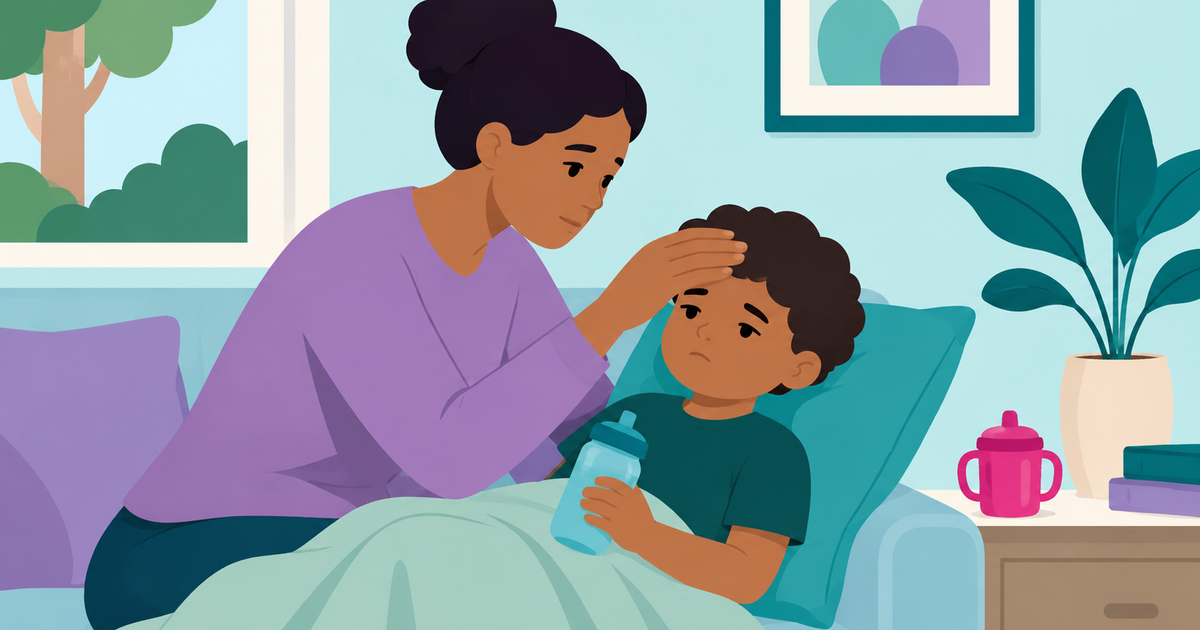
Children are more vulnerable to dehydration than adults — their bodies have a higher proportion of water, they lose fluids more quickly during illness or heat, and they often can't communicate thirst effectively. Knowing how to recognize dehydration early can prevent it from escalating into a medical emergency.
Why kids dehydrate faster than adults
Children have a faster metabolic rate than adults, which means they generate more heat and lose more fluid relative to their body size. Infants and toddlers are especially susceptible because their kidneys are less efficient at conserving water. Common triggers include fever, vomiting, diarrhea, excessive sweating during outdoor play, and not drinking enough during hot weather or illness. Even mild dehydration — a fluid loss of just 1 to 2 percent of body weight — can cause noticeable symptoms in children.
Signs of mild to moderate dehydration
Early signs are easy to miss but important to catch:
- Fewer wet diapers than usual (for infants) or less frequent urination
- Urine that is darker yellow or amber in color
- Dry or sticky mouth and lips
- Decreased tears when crying
- Irritability, fussiness, or unusual lethargy
- Eyes that appear slightly sunken
- Decreased interest in eating or playing
A simple test: gently pinch a small fold of skin on your child's abdomen or the back of their hand and let go. Normally, skin snaps back immediately. In a dehydrated child, it may return more slowly — a sign called decreased skin turgor.
Signs of severe dehydration (seek care immediately)
Severe dehydration is a medical emergency. Bring your child to urgent care or the emergency room right away if you notice:
- No urination for 8 or more hours (or no wet diapers for 8 hours in infants)
- Extremely dry mouth with no saliva
- No tears at all when crying
- Sunken eyes or a sunken fontanelle (the soft spot on an infant's head)
- Mottled, cool, or pale skin
- Rapid or weak pulse
- Marked drowsiness, confusion, or difficulty waking
How to treat mild dehydration at home
For mild cases without vomiting, oral rehydration is usually effective. Oral rehydration solutions (ORS) such as Pedialyte are specifically formulated for children and are more effective than water, juice, or sports drinks, which can worsen diarrhea due to high sugar content. Offer small amounts frequently — a few teaspoons every few minutes — rather than large quantities at once, which can trigger vomiting. For breastfed infants, continue nursing and offer ORS between feedings. Avoid undiluted fruit juice and soda.
The American Academy of Pediatrics recommends against giving plain water as the sole rehydration fluid in infants under 6 months and in children with diarrhea, as it can cause dangerous electrolyte imbalances.
When to visit urgent care for a dehydrated child
Head to urgent care if your child is showing signs of moderate dehydration — reduced urination, dry mouth, no tears — and is not improving with oral fluids after a few hours, or if they are vomiting consistently and cannot keep fluids down. A provider can assess hydration status, check electrolytes if needed, and administer IV fluids or oral rehydration under observation. Go directly to the emergency room if your child shows signs of severe dehydration, is under 3 months old with any dehydration symptoms, or has bloody diarrhea alongside dehydration signs.
Frequently asked questions
How do I know if my toddler is dehydrated?
Key signs in toddlers include fewer wet diapers, dark yellow urine, dry or sticky mouth, no tears when crying, sunken eyes, and unusual fussiness or lethargy. If your toddler has not urinated in 6 to 8 hours, contact your pediatrician or visit urgent care.
What is the fastest way to rehydrate a sick child?
Oral rehydration solutions (ORS) like Pedialyte are the fastest and most effective way to rehydrate a sick child. Offer small, frequent sips rather than large amounts at once. Avoid plain water as the only fluid in infants, and avoid juice or sports drinks during illness as the sugar content can worsen diarrhea.
Can dehydration cause fever in children?
Dehydration itself does not typically cause fever, but fever is one of the most common causes of dehydration in children because it increases fluid loss through sweating and faster breathing. Treating the fever with appropriate fluids and medication can help prevent dehydration from worsening.
When should I take my child to the ER for dehydration?
Go to the emergency room if your child is under 3 months old with any dehydration signs, has not urinated in 8 or more hours, has sunken eyes or fontanelle, shows rapid or weak pulse, is extremely drowsy or difficult to wake, or has bloody diarrhea alongside dehydration symptoms.
What should children drink to stay hydrated in hot weather?
Water is the best hydration choice for children over 6 months during routine activity and hot weather. During illness with diarrhea or vomiting, oral rehydration solutions are preferred. Sports drinks are generally not recommended for young children due to high sugar and sodium content, except when specifically advised by a provider.

Dr. Linda Halbrook is a Board-Certified Family Medicine physician with over 40 years of experience, dedicated to providing comprehensive care to patients across Texas. She retired from practice but currently serves on the Clinical Services Committee of CommonGood Medical, a non-profit organization serving the uninsured in Collin County.
How we reviewed this article
Medically reviewed
View this article's sources and history, and read more about Solv's Content Mission Statement, editorial process, and editorial team.
5 sources
Solv has strict sourcing guidelines and relies on peer-reviewed studies, academic research institutions, and medical associations. We avoid using tertiary references.
- Dehydration. American Academy of Pediatrics . (November 2022) (HealthyChildren.org)
- Oral rehydration solutions. American Academy of Pediatrics. (2023)
- Dehydration. MedlinePlus, National Library of Medicine. (2023)
- Heat illness prevention. CDC. (May 2023)
- Vomiting and diarrhea management in children. American Academy of Family Physicians. (2022)
Solv’s team of medical writers and experts review and update our articles when new information becomes available.
August 24 2026
Written by Solv Editorial Team
Medically reviewed by: Dr. Rob Rohatsch, MD