Urgent care near me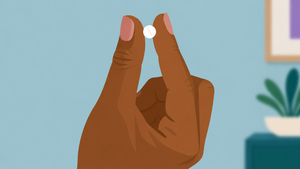
Wegovy pill from $149/month
The FDA-approved weight loss pill is here
No injections. Just once-daily Wegovy® with proven results—up to 17% average weight loss in trials.

Most people who take Ozempic or another GLP-1 medication will experience some side effects — usually nausea, fatigue, or constipation in the first weeks after starting or moving up a dose.1 Most are mild and improve as your body adjusts. A small number of side effects are serious and require an immediate call to your doctor or a visit to urgent care.
GLP-1 receptor agonists (sometimes called "GLP-1s") are a class of injectable or oral medications that mimic a gut hormone called glucagon-like peptide-1. They're prescribed for type 2 diabetes and chronic weight management. Brand names include Ozempic and Wegovy (semaglutide), Mounjaro and Zepbound (tirzepatide), Trulicity (dulaglutide), and Saxenda (liraglutide).2,3
The most frequently reported side effects in clinical trials and postmarketing data are gastrointestinal.1,3 They include nausea, vomiting, diarrhea, constipation, abdominal pain, indigestion or reflux, decreased appetite, fatigue, headache, dizziness, and mild injection site reactions for injected forms. These typically appear in the first one to two weeks after starting or after a dose increase, and most ease over time as your body adjusts.
Some symptoms warrant a call to your doctor or — if severe — a visit to urgent care or the emergency department.1,3 Watch for severe or persistent abdominal pain (which may radiate to the back and can signal pancreatitis); persistent vomiting or signs of dehydration; a lump or swelling in the neck, hoarseness, or trouble swallowing (rare thyroid C-cell concerns); shakiness, sweating, confusion, or fainting consistent with low blood sugar, especially if you also take insulin or a sulfonylurea; new or worsening vision changes if you have diabetes; and signs of an allergic reaction such as hives, facial or throat swelling, or difficulty breathing.
The FDA prescribing information lists several uncommon but important risks. Acute pancreatitis — including hemorrhagic or necrotizing forms — has been reported. A boxed warning addresses thyroid C-cell tumors based on rodent data; GLP-1s are contraindicated in patients with a personal or family history of medullary thyroid carcinoma (MTC) or multiple endocrine neoplasia syndrome type 2 (MEN 2).1 Acute kidney injury (often related to dehydration from vomiting or diarrhea), gallbladder disease, diabetic retinopathy complications in patients with diabetes, and pulmonary aspiration in the setting of anesthesia have also been described.1,3
Most people tolerate GLP-1s better with a slow titration schedule, smaller and lower-fat meals, adequate hydration, and limiting alcohol or known trigger foods. If nausea or other symptoms aren't improving, talk to your prescriber before stopping or skipping doses — they may slow your titration, hold a dose, or add a short course of anti-nausea medication.2
The FDA has warned that compounded and counterfeit GLP-1 products — sold online, at "med spas," or through unregulated channels — may contain incorrect ingredients, inaccurate dosing, or unsafe impurities. Side effects from these products can be unpredictable. Use only an FDA-approved product dispensed by a state-licensed pharmacy.4
Urgent care can help with moderate GLP-1 symptoms that aren't emergencies — including dehydration from vomiting or diarrhea, persistent nausea that's preventing you from eating or drinking, a mild allergic reaction, or trouble managing blood sugar. For severe abdominal pain, signs of a severe allergic reaction, chest pain, fainting, or symptoms of a stroke or heart attack, call 911 or go directly to the emergency department.
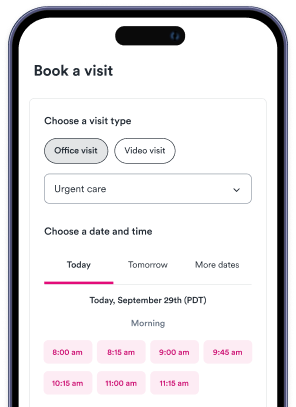
If you're starting a GLP-1 and have questions about side effects, talk to your prescriber. If a new or worsening symptom can't wait, find a same-day appointment at an urgent care near you on Solv.
Most gastrointestinal side effects appear within the first one to two weeks of starting or increasing a dose and ease within a few weeks as your body adjusts. If a symptom is severe or doesn't improve, contact your prescriber.
Alcohol can worsen common GLP-1 side effects like nausea and reflux, and may increase the risk of low blood sugar if you also take insulin or a sulfonylurea. Many clinicians recommend limiting or avoiding alcohol while taking a GLP-1, especially during titration.
GLP-1 medications slow stomach emptying, which has been linked to pulmonary aspiration under general anesthesia. Tell your surgeon and anesthesiologist you're taking a GLP-1 — they may ask you to pause it before your procedure.
Mild, temporary hair shedding has been reported with rapid weight loss in general, and was noted in clinical trials for higher-dose semaglutide and tirzepatide for obesity. It typically resolves once weight stabilizes.
No. The FDA prescribing information lists a boxed warning and contraindicates GLP-1s in patients with a personal or family history of medullary thyroid carcinoma or multiple endocrine neoplasia syndrome type 2. Talk to your doctor about other options.
Urgent care can help with dehydration, persistent nausea, mild allergic reactions, and blood sugar concerns. For severe abdominal pain, chest pain, fainting, or signs of a severe allergic reaction, go to the emergency department or call 911.
No injections. Just once-daily Wegovy® with proven results—up to 17% average weight loss in trials.

Medically reviewed
View this article's sources and history, and read more about Solv's Content Mission Statement, editorial process, and editorial team.
Solv has strict sourcing guidelines and relies on peer-reviewed studies, academic research institutions, and medical associations. We avoid using tertiary references.
Solv’s team of medical writers and experts review and update our articles when new information becomes available.
Written by Solv Editorial Team
Medically reviewed by: Dr. Rob Rohatsch, MD
Edited by Solv Editorial Team
Edited by Solv Editorial Team
Edited by Solv Editorial Team
Edited by Solv Editorial Team
Edited by Solv Editorial Team
Edited by Solv Editorial Team
Edited by Solv Editorial Team
No injections. Just once-daily Wegovy® with proven results—up to 17% average weight loss in trials.