Urgent care near me
 Key points
- Gut health impacts overall health, including nutrient absorption and immune system function; it can be improved with simple habits like staying hydrated and managing stress.
- Starting the day with water stimulates the digestive tract and supports regular bowel movements, while eating slowly and chewing thoroughly initiates digestion and prevents overeating.
- Gradually increasing fiber intake and incorporating fermented foods or probiotics can enhance gut health by feeding good bacteria and supporting a healthy microbiome.
- Regular physical activity, stress management, and quality sleep are essential for maintaining gut health; persistent digestive issues should prompt a visit to a healthcare provider.
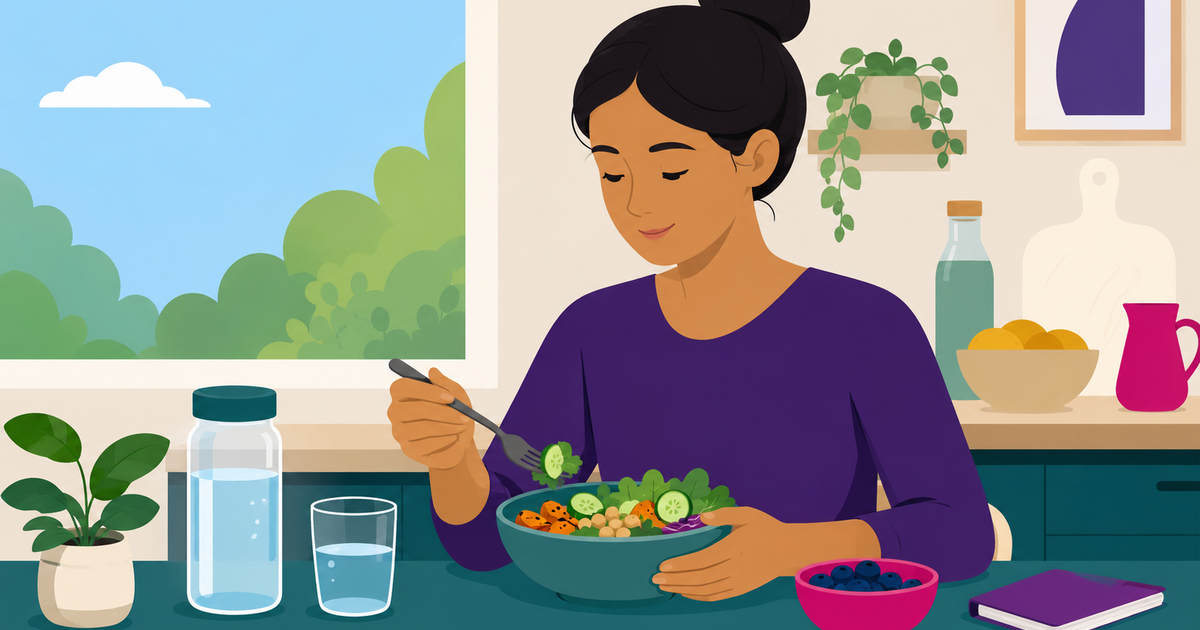
Good digestion isn’t just about avoiding stomachaches; it’s a key part of your overall health, from how your body absorbs nutrients to how your immune system and mood function. When we talk about “gut health,” we’re really referring to your entire digestive system, including the stomach, intestines, and the trillions of tiny bacteria that make up your gut microbiome. These parts all work together to break down food, absorb what your body needs, and keep everything running smoothly. The best part? You don’t need a complete lifestyle overhaul to support your digestion. Simple, everyday habits, like staying hydrated, eating fiber-rich foods, and managing stress, can make a big difference in how your gut feels and functions.
1. Start your day with water
Starting your day with a glass of water might seem simple, but it can do wonders for your digestive system. Research shows that water helps wake up your gut by kickstarting digestion and getting things moving, literally. It softens stool and supports regular bowel movements, making it especially helpful for people who deal with constipation. Drinking a glass of warm or room-temperature water first thing in the morning can gently stimulate your digestive tract and help your body flush out waste more effectively. It’s an easy habit to build into your morning routine, and one that can set a healthy tone for the rest of your day.
2. Eat slowly and chew thoroughly
Digestion actually starts before food even reaches your stomach; it begins in your mouth. Studies show that when you take the time to chew thoroughly, you’re breaking down food into smaller pieces and mixing it with saliva, which contains enzymes that help kick off the digestive process. This makes your stomach and intestines’ job much easier, reducing the chances of indigestion, gas, or bloating. Eating slowly also gives your brain time to register fullness, which can help prevent overeating and that overly stuffed feeling. So instead of rushing through meals, try putting your fork down between bites and really savoring your food, your gut will thank you.
3. Add fiber, gradually
Fiber is one of the best things you can add to your diet for better gut health, according to the American Medical Association. Fiber helps keep digestion regular, feeds the good bacteria in your gut, and supports a healthy microbiome. You can boost your fiber intake by including more fruits, vegetables, beans, lentils, and whole grains in your meals and snacks. But here’s the catch: if your diet is currently low in fiber, it’s important to increase it slowly. Adding too much too quickly can overwhelm your digestive system and cause bloating, gas, or discomfort. Start small, maybe with an extra serving of veggies at lunch or switching to whole-grain bread, and make sure you’re drinking plenty of water to help everything move smoothly through your system.
4. Incorporate fermented foods or probiotics
Your gut is home to trillions of “good” bacteria that make up your microbiome, and keeping them balanced is key to healthy digestion. One way to support those helpful microbes is by eating fermented foods that naturally contain probiotics, live bacteria that can boost your gut health. The American Medical Association explains that some easy options include yogurt with live cultures, kefir, sauerkraut, miso, and kimchi. These foods help replenish and diversify the good bacteria in your digestive system, which can improve digestion, support your immune system, and even influence your mood. If fermented foods aren’t your thing or you need extra support, probiotic supplements can also be a good option. Just make sure to choose a high-quality brand and talk to a healthcare provider if you’re not sure what’s right for you.
5. Move your body daily
Getting your body moving isn’t just good for your heart or your mood; it also plays a big role in keeping your digestion on track, according to research published by the National Institute of Health. Physical activity helps stimulate the muscles in your digestive tract, which supports regular bowel movements and can help prevent constipation. Even something as simple as taking a short walk after a meal can help your body process food more efficiently and reduce uncomfortable symptoms like bloating or gas. You don’t need an intense workout to see the benefits; gentle movement each day can go a long way toward keeping your digestive system happy and functioning smoothly.
6. Manage your stress
Your gut and brain are more connected than you might think, so much so that the gut is often called the “second brain.” The American Medical Association explains that when you’re stressed, your body releases hormones that can directly affect digestion, leading to symptoms like cramps, bloating, nausea, or changes in bowel habits like constipation or diarrhea. Chronic stress can throw your entire digestive system off balance, even if your diet stays the same. That’s why managing stress is just as important for gut health as eating fiber or drinking water. Simple habits like deep breathing, taking a short walk, journaling, or trying a few minutes of meditation can help calm your nervous system and support a more balanced, healthier gut.
7. Get enough sleep
Getting enough quality sleep is one of the most underrated ways to support your gut health. Poor sleep can throw your digestive system off, and has even been linked to conditions like irritable bowel syndrome (IBS). That’s because sleep affects gut motility, how food moves through your digestive tract, as well as the balance of bacteria in your microbiome. Research shows that when your sleep is disrupted or inconsistent, it can lead to bloating, discomfort, or irregular bowel movements. Creating a consistent sleep routine, going to bed and waking up around the same time each day, can help your gut function more smoothly. Pair that with winding down before bed and limiting screen time at night, and your gut (and your energy) will thank you.
8. Know when to seek help
While small digestive issues now and then are pretty normal, there are certain signs you shouldn’t ignore. If you’re dealing with frequent heartburn, unexplained weight loss, severe bloating or pain, or changes in your bowel habits, like persistent diarrhea, constipation, or unusual stool color, that last more than a few days, it’s time to check in with a healthcare provider. These symptoms could point to something more serious, and catching them early can make a big difference. A digestive health specialist, like a gastroenterologist, can help get to the root of the problem and may recommend tests like a stool sample, imaging, or an endoscopy to see what’s going on inside. Don’t wait until things get worse; your gut is worth listening to.
Want better digestion? Find care near you today
If you’re struggling with ongoing gut issues like bloating, discomfort, or irregular bowel habits, don’t wait it out. Use Solv to find a nearby urgent care clinic where you can get expert support, simple testing, and personalized guidance, because early care can make all the difference in protecting your long-term health.
Frequently asked questions
Why is gut health important for overall health?
Gut health is crucial for overall health as it affects how your body absorbs nutrients, how your immune system functions, and even your mood. The digestive system, including the stomach, intestines, and gut microbiome, work together to break down food, absorb necessary nutrients, and ensure smooth functioning of the body.
How can I improve my gut health with simple daily habits?
Simple daily habits can significantly improve your gut health. These include starting your day with water to stimulate digestion, eating slowly and chewing thoroughly to aid in the breakdown of food, gradually increasing your intake of fiber-rich foods, incorporating fermented foods or probiotics into your diet, engaging in daily physical activity, managing stress, and ensuring you get enough quality sleep.
What are some signs that I might need to seek medical help for my gut health?
If you experience frequent heartburn, unexplained weight loss, severe bloating or pain, or changes in your bowel habits such as persistent diarrhea, constipation, or unusual stool color that last more than a few days, it's recommended to seek help from a healthcare provider. These symptoms could indicate a more serious issue that needs early intervention.
How does stress affect gut health?
Stress can directly affect gut health. When you're stressed, your body releases hormones that can affect digestion, leading to symptoms like cramps, bloating, nausea, or changes in bowel habits like constipation or diarrhea. Chronic stress can disrupt your entire digestive system, hence managing stress is crucial for maintaining good gut health.
Why is fiber important for gut health?
Fiber is crucial for gut health as it helps keep digestion regular, feeds the good bacteria in your gut, and supports a healthy microbiome. However, if your diet is currently low in fiber, it's recommended to increase it slowly to avoid overwhelming your digestive system and causing bloating, gas, or discomfort.

Dr. Linda Halbrook is a Board-Certified Family Medicine physician with over 40 years of experience, dedicated to providing comprehensive care to patients across Texas. She retired from practice but currently serves on the Clinical Services Committee of CommonGood Medical, a non-profit organization serving the uninsured in Collin County.
How we reviewed this article
Medically reviewed
View this article's sources and history, and read more about Solv's Content Mission Statement, editorial process, and editorial team.
2 sources
Solv has strict sourcing guidelines and relies on peer-reviewed studies, academic research institutions, and medical associations. We avoid using tertiary references.
- What doctors wish patients knew about improving gut health. (August 4, 2025)
- Role of digestive health. (August 4, 2025)
Solv’s team of medical writers and experts review and update our articles when new information becomes available.
March 06 2026
Written by Solv Editorial Team
Medically reviewed by: Dr. Rob Rohatsch, MD
May 23 2026
Edited by Solv Editorial Team
May 27 2026
Edited by Solv Editorial Team
June 03 2026
Edited by Solv Editorial Team