Urgent care near me
 Key points
- Without insurance, a primary care office visit typically costs about $130 to $200 — uninsured patients are quoted a mean of around $160 nationally.
- Specialist visits run higher, often $200 to $500 for an initial consult and frequently more in major metro areas.
- Family practice offices, federally qualified health centers (FQHCs), and Medicaid-participating clinics tend to charge uninsured patients less than internal medicine offices or hospital-based clinics.
- Urgent care and retail clinics offer transparent self-pay rates, typically $100 to $250 for a basic visit, often less than a hospital outpatient clinic.
- Federal law gives uninsured patients the right to a Good Faith Estimate before scheduled care so you can compare prices and avoid surprise bills.
Without insurance, a routine doctor's visit in the United States typically costs about $130 to $200, with a national average around $160.1 Specialist visits are usually significantly higher, and pricing can vary by hundreds of dollars depending on the type of office, your location, and what's done during the visit.
What's the average cost of a doctor's visit without insurance?
For an uninsured adult, primary care office visits average around $160 nationally, with a typical range of $130 to $200.1,2 An audit of primary care offices found uninsured patients were quoted a mean price of $149 to $160 across studies, with the lowest prices in family practice offices participating in Medicaid managed care and the highest at hospital-based or specialist offices.2
Specialist visits cost more. An initial consult with a dermatologist, orthopedist, or ophthalmologist commonly runs $200 to $500 self-pay; complex specialty consults — cardiology, neurology, gastroenterology — frequently run higher.3
If lab work, imaging, or procedures are performed during the visit, those are billed separately and can add hundreds of dollars to the total.
What does the visit fee actually include?
The base self-pay fee for a doctor's visit usually covers:
- Time with the clinician (history, exam, discussion, and treatment plan)
- Documentation in your medical record
- A simple in-office check like vitals, weight, and basic point-of-care screening
It does not usually cover:
- Lab tests sent to an outside lab (CBC, lipid panel, A1c, etc.)
- Imaging (X-ray, ultrasound, CT, MRI)
- Vaccinations beyond a quick screening
- Minor procedures like skin lesion removal, joint injections, or stitches
- Specialist referrals or follow-up visits
Always ask up front what's included, what's billed separately, and whether the office offers a self-pay package rate that bundles common add-ons.4
What's the cheapest place to see a doctor without insurance?
If you're paying cash, the lowest-cost in-person options are usually:5
- Federally qualified health centers (FQHCs). FQHCs offer sliding-scale fees based on income — often $20 to $80 for a primary care visit for low-income patients.
- Free or charitable clinics. Many cities have free clinics that serve uninsured adults, although capacity is limited.
- Direct primary care (DPC) offices. These charge a flat monthly membership (often $50 to $100) for unlimited primary care visits.
- Retail clinics. A basic visit at a retail clinic for a minor problem is typically $80 to $150, often the cheapest walk-in option for uninsured adults.
- Urgent care. A self-pay urgent care visit usually runs $100 to $250 for a low-acuity problem, often less than a hospital outpatient clinic.
For routine, non-urgent care, an FQHC or DPC is often the most affordable. For a one-off illness or injury, a retail clinic or urgent care is usually faster and still cheaper than a hospital-affiliated office.
Why do uninsured patients pay more than insured patients for the same visit?
Insurers negotiate discounted rates with providers, while cash-pay patients are often charged closer to the "list" price, even when the underlying cost of delivering care is the same.6 The Kaiser Family Foundation reports that uninsured adults are nearly three times more likely to delay or skip care because of cost than insured adults.5
The good news: many providers offer a prompt-pay or self-pay discount, sometimes 20% to 40% off the listed price. Always ask before scheduling.
What are your rights as an uninsured patient?
Federal law gives you a few specific protections even without insurance:7
- Good Faith Estimate. Under the No Surprises Act, providers must give uninsured or self-pay patients a written cost estimate before scheduled services.
- Patient-provider dispute resolution. If your final bill is at least $400 more than your Good Faith Estimate, you can dispute it through a federal process.
- Itemized bills. You can request an itemized statement listing every charge.
How can you lower the cost of a doctor's visit?
Practical ways to bring the price down:
- Ask for the self-pay or prompt-pay rate up front, in writing.
- Compare a primary care office, urgent care, retail clinic, and FQHC for the same visit type.
- Bring all medications, prior records, and a clear list of symptoms — fewer rerun tests.
- Ask for generic prescriptions and pricing through pharmacy discount programs.
- Apply for sliding-scale or charity care programs at hospital-affiliated clinics.
- Check whether you may qualify for Medicaid or a subsidized ACA marketplace plan — about half of uninsured adults are eligible for either.5
Next steps
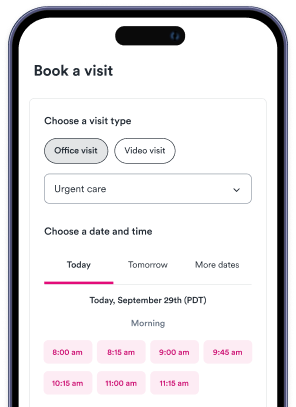
If you need to see a clinician today and are paying out of pocket, Solv lets you compare urgent care and walk-in clinic options near you with transparent self-pay pricing — so you know the cost before you arrive. Reserve a time, walk in, and skip the surprise bill.
Frequently asked questions
Can I negotiate the price of a doctor's visit if I don't have insurance?
Yes, often. Many practices offer a prompt-pay discount of 20% to 40% off the listed price if you pay in full at the time of service. Ask the front desk specifically for the self-pay or cash-discount rate before you book.
What's a Good Faith Estimate and when can I get one?
A Good Faith Estimate is a written cost estimate that uninsured or self-pay patients can request before any scheduled service. Providers are required by federal law to give one if you ask, and you can dispute a final bill that's $400 or more above the estimate.
Are urgent care visits cheaper than primary care for uninsured patients?
It depends. For a one-off illness or injury, urgent care is usually competitive with — and often cheaper than — a hospital-affiliated primary care office. For routine ongoing care, a federally qualified health center or direct primary care membership tends to be more affordable long-term.
Will an emergency room turn me away if I have no insurance?
No. Under the federal Emergency Medical Treatment and Labor Act (EMTALA), hospitals must screen and stabilize anyone with an emergency medical condition regardless of ability to pay. ER care is the most expensive option for non-emergencies, so urgent care or a walk-in clinic is usually the better choice for non-life-threatening problems.
Can I qualify for free or subsidized coverage even if I'm currently uninsured?
Possibly. About half of uninsured adults qualify for Medicaid or for subsidized coverage on the ACA marketplace, but many aren't aware. Healthcare.gov's screener and your state Medicaid agency can confirm eligibility, and special enrollment periods open after life events like job loss, marriage, or moving.
What should I bring to a doctor's visit if I'm uninsured?
Bring a photo ID, a list of current medications and supplements, copies of any prior records or recent labs, and any cash or card you plan to use. Ask up front whether the visit fee includes labs and what the cash-pay total will be — this avoids billing surprises.

How we reviewed this article
Medically reviewed
View this article's sources and history, and read more about Solv's Content Mission Statement, editorial process, and editorial team.
7 sources
Solv has strict sourcing guidelines and relies on peer-reviewed studies, academic research institutions, and medical associations. We avoid using tertiary references.
- Polsky D, et al. "Most Uninsured Adults Could Schedule Primary Care Appointments Before The ACA, But Average Price Was $160." Health Affairs.
- Mafi JN, et al. "Price Transparency for Primary Care Office Visits and Routine Tests: Results From a 2016 Audit Study." Journal of General Internal Medicine.
- Agency for Healthcare Research and Quality. "Statistical Brief #517: Expenses for Office-Based Physician Visits by Specialty and Insurance Type."
- Saloner B, et al. "Price Transparency in Primary Care: Can Patients Learn About Costs When Scheduling an Appointment?" Journal of General Internal Medicine.
- Kaiser Family Foundation. "Key Facts about the Uninsured Population."
- Kaiser Family Foundation. "Americans' Challenges with Health Care Costs."
- Centers for Medicare & Medicaid Services. "Know your rights without insurance."
Solv’s team of medical writers and experts review and update our articles when new information becomes available.
March 23 2022
Written by Solv Editorial Team
Medically reviewed by: Dr. Rob Rohatsch, MD
May 06 2026
Edited by Solv Editorial Team
May 23 2026
Edited by Solv Editorial Team
May 27 2026
Edited by Solv Editorial Team
June 03 2026
Edited by Solv Editorial Team