Therapy for low self esteem

    Low self-esteem affects self-perception, mental health, and relationships. Therapy provides strategies to rebuild self-worth, enhance resilience, and promote emotional well-being, empowering individuals to navigate life with greater confidence and fulfillment.

    Low self-esteem arises from negative self-perceptions.

    Therapy addresses beliefs and encourages positive change.

    Professional support nurtures resilience and emotional health.

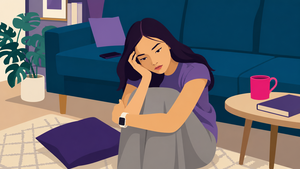
    Low self-esteem significantly influences how individuals view themselves, affecting their mental health, relationships, and overall quality of life. Rooted in negative thoughts and past experiences, it can lead to persistent feelings of inadequacy and self-doubt. Therapy offers effective strategies to challenge these harmful beliefs, fostering self-confidence and emotional resilience.

    Through professional support, individuals can rebuild their self-worth by addressing underlying issues and developing healthier thought patterns. Therapy not only promotes healing but also empowers people to navigate challenges with greater confidence, leading to more fulfilling relationships, improved mental health, and a renewed sense of purpose in life.

    What is low self-esteem?

    Low self-esteem is characterized by persistent negative self-perceptions and feelings of inadequacy. According to the National Health Service (NHS), individuals with low self-esteem often view themselves as unworthy, unlovable, or inferior to others. This can lead to behaviors like avoiding challenges, perfectionism, or being overly self-critical. Over time, these patterns can significantly affect a person’s quality of life.

    Self-esteem is influenced by many factors, including past experiences, societal expectations, and personal beliefs. While occasional self-doubt is normal, chronic low self-esteem can result in negative mental health outcomes, such as anxiety, depression, or social withdrawal. Recognizing and addressing these issues is crucial for regaining a healthy sense of self-worth.


    Who needs therapy for low self-esteem?

    Who needs therapy for low self-esteem?

    Many individuals struggle with low self-esteem, but certain signs may indicate a need for professional support. These include:

    • Self-Criticism

      Persistent negative self-talk often includes harsh judgments, making individuals focus on perceived flaws rather than strengths.
    • Fear of Judgment

      Avoiding social interactions due to fear of rejection or criticism, leading to isolation and missed opportunities for connection.
    • Perfectionism

      Setting unrealistically high standards results in chronic dissatisfaction and feelings of failure when expectations are not met.
    • Relationship Issues

      Difficulty setting boundaries or tolerating mistreatment due to feeling undeserving of respect, love, or meaningful relationships.
    • Emotional Distress

      Experiencing ongoing feelings of sadness, guilt, or shame that disrupt daily activities and overall emotional well-being.

    Techniques used in low self-esteem therapy

    Therapy for low self-esteem employs evidence-based methods to address negative beliefs and foster self-compassion. Here are some commonly used techniques:

    Cognitive Behavioral Therapy (CBT)

    Focuses on identifying and challenging negative thought patterns. By reframing these thoughts, individuals can develop healthier perspectives and increase self-confidence in various aspects of life.


    Example: Replacing “I always fail” with “I am learning from this experience.”

    Self-Compassion Training

    Encourages individuals to treat themselves with kindness and understanding. This technique helps reduce self-criticism and fosters emotional resilience during moments of failure or difficulty.


    Example: Practicing affirmations such as, “I am doing my best, and that’s enough.”

    Mindfulness Practices

    Teaches individuals to focus on the present moment and detach from unhelpful self-critical thoughts, promoting calmness and a more balanced emotional state.


    Example: Using mindfulness exercises to detach from self-critical thoughts.

    Behavioral Activation

    Encourages participation in meaningful and enjoyable activities. This approach helps individuals rediscover passions, improve mood, and build confidence through accomplishing small, manageable goals.


    Example: Joining a local art class to explore a new hobby and connect with others.

    Journaling

    Provides a structured outlet for self-reflection, helping individuals track achievements, recognize positive traits, and reframe negative thoughts into constructive ones over time.


    Example: Writing down three things you appreciate about yourself daily.

    When to Seek Professional Help

    While some people can improve self-esteem on their own, others may benefit from therapy, especially if low self-esteem significantly impacts their daily life. Consider seeking help if you experience:

    • Persistent feelings of unworthiness or self-doubt.
    • Difficulty maintaining relationships or achieving personal goals.
    • Negative coping strategies, such as substance abuse or self-harm.
    • Symptoms of anxiety, depression, or other mental health conditions.

    A mental health professional can help identify underlying issues and develop a personalized treatment plan.

    Finding therapy for low self-esteem

    Finding the right therapist is a crucial step in addressing low self-esteem. Many licensed professionals specialize in cognitive behavioral therapy, mindfulness-based approaches, and other effective techniques. Online therapy platforms, local mental health clinics, and community support groups can also connect individuals with the help they need.

    Additionally, self-help resources offer practical exercises to complement therapy. For immediate support, individuals experiencing distress should seek crisis services or talk to a trusted professional.

    How to choose the right therapist for low self-esteem therapy

    Finding a therapist who understands the complexities of low self-esteem can significantly enhance your journey toward self-confidence. Consider these tips:

    • Seek a therapist experienced in CBT, self-compassion training, or mindfulness-based approaches.
    • Look for someone who creates a safe, nonjudgmental space to explore personal experiences and emotions.
    • Choose a professional who encourages practical strategies for building self-worth and resilience.
    • Ensure they offer a personalized approach, tailored to your unique challenges and goals.
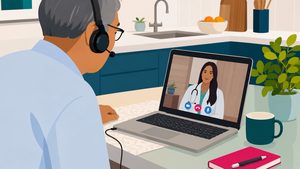
    • Opt for flexibility, such as online therapy sessions, if in-person visits are challenging.

    A compassionate therapist can help you rebuild self-esteem, fostering emotional growth and empowering you to lead a more fulfilling life.

    How to choose the right therapist for low self-esteem therapy

    Frequently Asked Questions

    • What do therapists do to treat low self-esteem?

      Therapists use techniques like CBT, self-compassion training, and mindfulness to help individuals reframe negative thoughts and build self-worth.

    • Who can diagnose self-esteem issues?

      Licensed psychologists, therapists, and social workers can assess and diagnose self-esteem-related challenges during therapy sessions.

    • Is therapy effective for low self-esteem?

      Yes, therapy is highly effective in addressing low self-esteem. With the right support, individuals can improve self-confidence and emotional resilience.

    • Can low self-esteem be caused by childhood experiences?

      Yes, low self-esteem often originates in childhood due to factors like bullying, neglect, or overly critical parenting. These early experiences can shape long-term self-perceptions and affect how individuals view themselves as adults.

    • How long does therapy for low self-esteem take?

      The duration of therapy varies depending on the individual and severity of the issue. Some may notice improvements within weeks, while others may benefit from months of consistent therapy and practice of learned strategies.

    • Can self-esteem improve without professional help?

      Yes, self-esteem can improve through self-help strategies like journaling, mindfulness, or practicing self-compassion. However, professional therapy provides personalized guidance and tools for more effective and lasting changes.

    Dr. Rob Rohatsch, MD

    Dr. Rob Rohatsch, MD, is a Board-Certified Emergency Medicine physician and urgent care executive. He earned his MD from Jefferson Medical College, currently serves on multiple boards and is Solv’s Chief Medical Officer.

    How we reviewed this article

    Medically reviewed

    View this article's sources and history, and read more about Solv's Content Mission Statement, editorial process, and editorial team.

    9 sources

    Solv has strict sourcing guidelines and relies on peer-reviewed studies, academic research institutions, and medical associations. We avoid using tertiary references.

    Get started

    Book a mental health provider

    Michael Tinsley, LCSW

    Michael Tinsley, LCSW

    Anger Management, Anxiety, Bipolar Disorder, Career Counseling, Couples Counseling, Depression, Family Conflict, Grief, Men's Issues, Mood Disorders, Parenting, Personality Disorders, Racism

    2 years of experience

    Freysdman Gonzalez Garcia, LCSW

    Freysdman Gonzalez Garcia, LCSW

    Anxiety, Bipolar Disorder, Depression, Grief, LGBTQ, Racism, Trauma and PTSD

    5 years of experience

    GrowTherapy

    GrowTherapy

    $21 avg cost per session with insurance

    See a therapist within 2 days

    Nadia Simplice, PMHNP

    Nadia Simplice, PMHNP

    Anger Management, Anxiety, Bipolar Disorder, Depression, Health/Medical Issues, Medication Management, Military/Veterans, Older Adults, Post Partum

    10 years of experience

    Emmanuel Nji, PMHNP

    Emmanuel Nji, PMHNP

    ADHD, Addiction, Anger Management, Anxiety, Autism, Bipolar Disorder, Depression, Dissociative Disorders, Domestic Violence, Eating Disorders, Mood Disorders, Obsessive-Compulsive (OCD), Post Partum

    5 years of experience

    Carrington Chatham, LCSW

    Carrington Chatham, LCSW

    Addiction, Anger Management, Anxiety, Couples Counseling, Depression, Grief, Life Transitions, Military/Veterans, Mood Disorders, Racism, Self Esteem, Substance Misuse, Trauma and PTSD

    12 years of experience

    See more providers
    Don't see your clinic?
    Request to add!
    Michael Tinsley, LCSW (he/him)

    Michael Tinsley, LCSW (he/him)

    Specialties

    Anger Management

    Anxiety

    Bipolar Disorder

    Career Counseling

    Couples Counseling

    Depression

    Family Conflict

    Grief

    Men's Issues

    Mood Disorders

    Parenting

    Personality Disorders

    Racism

    Serves ages

    18-64

    Licensed in

    VA

    About

    I am a Graduate of Howard University and UNC Charlotte, I have a BA in Psychology and a Masters in Social Work. I have a passion for working with individuals, couples and families who seek change to become happier, healthier and gain control over obstacles that are weighing them down. I have several years of experience in working with children, adults, and families, on a broad array of issues ranging from depression, anxiety, bipolar, ADHD, schizophrenia, substance abuse and trauma. I provide culturally competent care and use a Strength Based Approach when working with clients. I also specialize in helping African American males deal with oppressive systems and obstacles.

    Freysdman Gonzalez Garcia, LCSW (he/him)

    Freysdman Gonzalez Garcia, LCSW (he/him)

    Specialties

    Anxiety

    Bipolar Disorder

    Depression

    Grief

    LGBTQ

    Racism

    Trauma and PTSD

    Serves ages

    18-64

    65+

    Licensed in

    VA

    IL

    FL

    MA

    About

    I am Licensed Clinical Social Worker (LCSW) in the states of Florida, Virginia, Illinois and Massachusetts , with experience working with children, adolescents, families, and adults. I specialize in supporting individuals experiencing anxiety, depression, stress, life transitions, and relationship challenges. My goal is to create a safe, non-judgmental space where you can openly explore yours thoughts and emotions. I use evidence-based approaches including Cognitive Behavioral Therapy (CBT), Solution-focused therapy, and mindfulness based techniques. I am passionate about supporting clients through times of change and personal growth.

    Nadia Simplice, PMHNP (she/her)

    Nadia Simplice, PMHNP (she/her)

    Specialties

    Anger Management

    Anxiety

    Bipolar Disorder

    Depression

    Health/Medical Issues

    Medication Management

    Military/Veterans

    Older Adults

    Post Partum

    Serves ages

    13-17

    18-64

    65+

    Licensed in

    FL

    VA

    WA

    About

    Hi, I'm Nadia, a dual board-certified Psychiatric Mental Health Nurse Practitioner. I provide compassionate, evidence-based psychiatric care with a focus on medication management and whole-person wellness. I work with individuals experiencing anxiety, depression, mood disorders, and other mental health concerns, taking time to understand how lifestyle, stress, and overall health can affect emotional well-being. I believe in working collaboratively with my patients to create personalized treatment plans and a supportive environment where they feel heard, respected, and confident in their care.

    Emmanuel Nji, PMHNP (he/him)

    Emmanuel Nji, PMHNP (he/him)

    Specialties

    ADHD

    Addiction

    Anger Management

    Anxiety

    Autism

    Bipolar Disorder

    Depression

    Dissociative Disorders

    Domestic Violence

    Eating Disorders

    Mood Disorders

    Obsessive-Compulsive (OCD)

    Post Partum

    Serves ages

    13-17

    18-64

    65+

    Licensed in

    OH

    VA

    About

    My name is Dr. Emmanuel Nji, DNP, PMHNP-BC, a board-certified Psychiatric Mental Health Nurse Practitioner with a Doctorate in Nursing Practice and five years of outstanding clinical experience. I am the founder of Gateway Psychiatric Services, based in Albuquerque, New Mexico, and Chilicothe, Ohio, where I am dedicated to providing compassionate, whole-person psychiatric care to adults ready to reclaim their mental health and their lives. My clinical journey spans outpatient psychiatry, corrections, dialysis, and emergency medicine, giving me a uniquely broad perspective that allows me to treat complex conditions with both precision and empathy. Originally from Cameroon, West Africa, I bring a deep cultural sensitivity and genuine understanding of the diverse lived experiences that shape mental health. I believe that healing is most powerful when it honors the whole person — their story, their background, and their goals. I specialize in the diagnosis and treatment of depression, anxiety, PTSD, bipolar disorder, ADHD, and schizophrenia. My approach combines rigorous evidence-based psychiatric care with a warm, personalized touch that makes every patient feel seen, heard, and valued — never just a diagnosis or a number. Outside of my practice, I am a husband, a father of two sons, and someone who understands firsthand the importance of balance, resilience, and community. Those values show up in everything I do for my patients. I started Gateway Psychiatric Services because I believe everyone deserves access to exceptional mental health care delivered with dignity and compassion. Whether you are navigating your first mental health concern or have been struggling for years, I am here to walk alongside you with clinical excellence and unwavering commitment to your healing. You deserve to feel like yourself again. I would be honored to be your partner on that journey.

    Address

    217 Delano Ave Suite A, Chillicothe, OH, 45601

    Carrington Chatham, LCSW (he/him)

    Carrington Chatham, LCSW (he/him)

    Specialties

    Addiction

    Anger Management

    Anxiety

    Couples Counseling

    Depression

    Grief

    Life Transitions

    Military/Veterans

    Mood Disorders

    Racism

    Self Esteem

    Substance Misuse

    Trauma and PTSD

    Serves ages

    13-17

    18-64

    65+

    Licensed in

    VA

    WI

    About

    Hello, I am Dr. Carrington L. Chatham, a clinical social worker with over ten years of experience working in various settings, including community mental health, acute psychiatric care, and veteran affairs. I am dedicated to serving a diverse clientele, including individuals struggling with trauma, anxiety, depression, and those facing significant life transitions. My approach is grounded in evidence-based practices, such as Cognitive Behavioral Therapy (CBT), Motivational Interviewing (MI), and Positive Psychology, tailored to meet each client's unique needs. I aim to empower my clients to overcome their challenges, build resilience, and achieve their personal and emotional well-being goals.

    This site uses cookies to provide you with a great user experience. By using Solv, you accept our use of cookies.