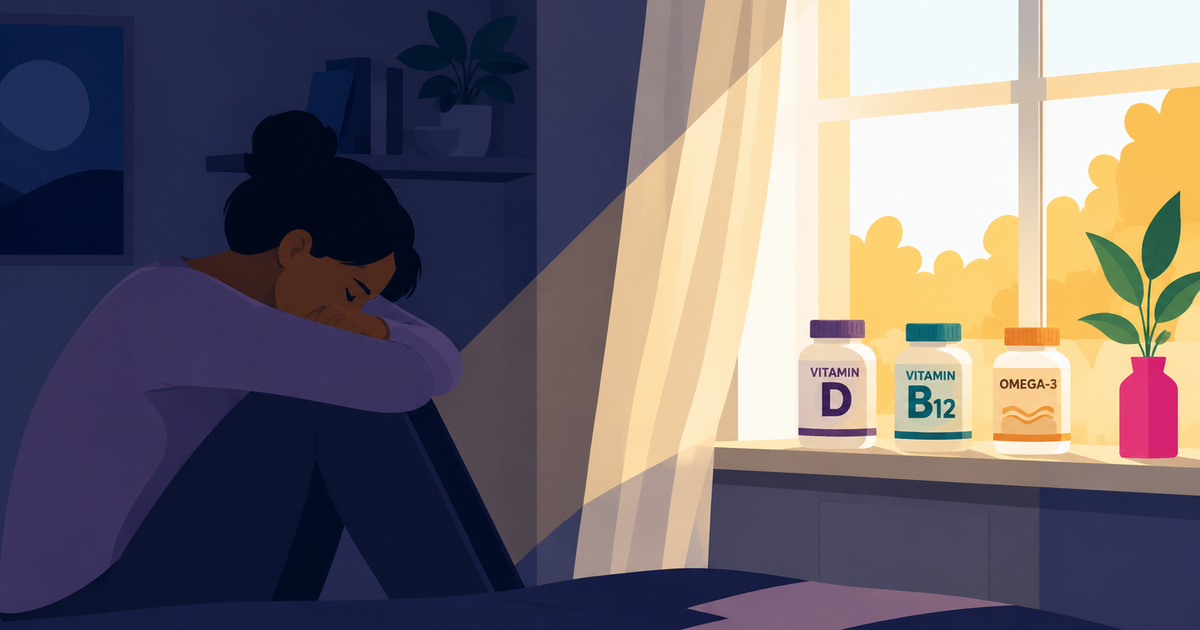
If you’ve been feeling persistently down, anxious, or just plain exhausted, it might not be all in your head; your body could be missing some key nutrients. While mental health is complex and influenced by many factors, research shows that certain vitamin and mineral deficiencies can contribute to symptoms of depression, fatigue, and mood swings. Nutrients like B12, vitamin D, iron, and magnesium play important roles in brain function, energy production, and emotional balance. When levels dip too low, it can leave you feeling foggy, unmotivated, or emotionally drained, sometimes even mimicking the symptoms of clinical depression. That’s why it’s important to consider both emotional and physical health when you’re not feeling like yourself.
Vitamin deficiency-driven depression can look a lot like burnout. Our guide on burnout versus depression and when to seek care helps distinguish the two.
Vitamin deficiencies also affect anxiety levels. See our guide for people overwhelmed by anxiety for guidance on when to seek professional support.
How vitamin levels impact brain chemistry
Your brain depends on specific vitamins to help produce and regulate neurotransmitters, the chemical messengers that affect how you think, feel, and function. For example, vitamins such as B12 and folate are essential for producing serotonin and dopamine, two key neurotransmitters that affect mood, motivation, and overall mental well-being. When you're low on these nutrients, your brain may struggle to produce these chemicals in the right amounts, which can leave you feeling down, anxious, or emotionally flat. It’s not just about nutrition, it’s about brain chemistry. That’s why a vitamin deficiency can sometimes feel a lot like depression, even if it’s actually your body signaling that it’s missing something important.
Key vitamin deficiencies linked to depression
Several key nutrients have been directly linked to mood and mental health, and when your body is running low, it can take a real toll on how you feel:
- Vitamin D is a big one; it helps regulate serotonin and reduce inflammation in the brain, but many people, especially in colder months or those who don’t get much sunlight, end up deficient.
- Vitamin B12 is another essential nutrient for mood, focus, and energy. Low levels can lead to fatigue, brain fog, and low mood, and it’s especially common in vegetarians, older adults, and people with digestive issues.
- Folate (also known as B9) is critical too; low folate has been linked to higher rates of depression, particularly in women. Iron and ferritin, which support oxygen delivery throughout your body, are often overlooked, but a deficiency can leave you feeling mentally and physically drained.
- While not a vitamin, omega-3 fatty acids are vital for brain health; low levels have been associated with an increased risk of mood disorders and depression.
Signs your depression may be linked to a deficiency
If you’ve been feeling down, tired, or mentally foggy, and nothing seems to be helping, it’s possible your depression could be linked to a vitamin or nutrient deficiency. Some of the signs to watch for include physical fatigue that doesn’t go away with rest, brain fog or trouble focusing, and mood swings that seem to come out of nowhere. You might also notice changes in your appetite or weight without trying, or feel unusually anxious or disconnected. If you’ve already tried therapy or medication and still feel off, it’s worth checking in with your doctor about running some simple lab tests. Sometimes, it’s not just emotional, it’s physical too, and treating a hidden deficiency could make a big difference in how you feel.
How to get tested for vitamin deficiencies
If you suspect a vitamin deficiency might be affecting your mood or energy, the good news is that testing is simple and accessible. You can ask your doctor or visit your nearest urgent care clinic for blood tests to check key nutrients, such as vitamin D, B12, folate, and iron, along with a complete blood count (CBC) to detect signs of anemia or overall health imbalances.
What to do if your levels are low
If your test results show that your vitamin levels are low, don’t panic; there are safe and effective ways to bring them back into balance. The first step is to talk with your doctor or urgent care provider before starting any supplements, since taking too much of certain vitamins, like iron or fat-soluble vitamins like D, can actually do more harm than good. Your provider can help guide you on the right dose and form, like choosing D3 instead of D2 for better absorption or using methylated folate if your body has trouble processing the standard kind. You can also support your levels naturally through food by eating more fatty fish, egg yolks, and fortified products for vitamin D; meat, poultry, and dairy for vitamin B12; and leafy greens, lentils, and beans for folate.
Can treating a deficiency improve depression?
Treating a vitamin deficiency won’t magically cure depression, but research shows it can make a real difference, especially if you’ve been running low on key nutrients. In people with documented deficiencies, supplements like B12, folate, and vitamin D have been shown to help improve mood and even enhance how well antidepressants work. That said, nutritional support should be seen as one part of a bigger picture, not a replacement for therapy, medication, or other forms of mental health care. When combined with a thoughtful treatment plan, getting your nutrient levels where they should be can support your brain health, improve your energy, and help you feel more emotionally resilient over time. It’s about giving your mind and body the tools they need to work together toward feeling better.
Suspect a vitamin deficiency? Book a lab test through a local clinic
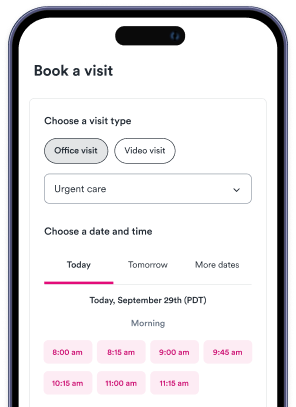
If you’re feeling unusually tired, down, or not quite yourself, a simple blood test could uncover a treatable vitamin deficiency. Use Solv to quickly find and book an appointment at a nearby urgent care center or wellness clinic that offers lab testing for vitamin levels and overall health.
Testing for vitamin deficiencies is simple and often available at walk-in labs—see our complete guide to lab tests for how to get a vitamin panel ordered.
Frequently asked questions
Can vitamin deficiency contribute to symptoms of depression and fatigue?
Yes, research has shown that certain vitamin and mineral deficiencies can contribute to symptoms of depression, fatigue, and mood swings. Key nutrients like B12, vitamin D, iron, and magnesium play important roles in brain function, energy production, and emotional balance. When these levels are too low, it can lead to feelings of exhaustion, lack of motivation, or emotional drain.
What are the key vitamin deficiencies linked to depression?
The key nutrients linked to mood and mental health include Vitamin D, Vitamin B12, Folate (also known as B9), Iron, and Omega-3 fatty acids. Deficiency in these vitamins can lead to symptoms such as fatigue, brain fog, low mood, and even mood disorders and depression.
What are the signs that my depression may be linked to a vitamin deficiency?
Some signs to watch for include physical fatigue that doesn’t go away with rest, brain fog or trouble focusing, and mood swings that seem to come out of nowhere. Changes in your appetite or weight without trying, or feeling unusually anxious or disconnected can also be signs of a vitamin deficiency.
How can I get tested for vitamin deficiencies?
You can ask your doctor or visit your nearest urgent care clinic for blood tests to check key nutrients, such as vitamin D, B12, folate, and iron, along with a complete blood count (CBC) to detect signs of anemia or overall health imbalances.
Can treating a vitamin deficiency improve depression?
Yes, while treating a vitamin deficiency won't cure depression, research shows it can make a real difference, especially if you've been running low on key nutrients. Supplements like B12, folate, and vitamin D have been shown to help improve mood and even enhance how well antidepressants work. However, nutritional support should be seen as one part of a bigger picture, not a replacement for therapy, medication, or other forms of mental health care.
 Urgent care near me