Couples and relationship counseling

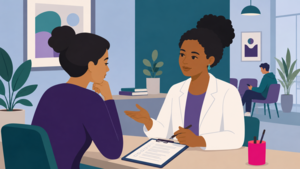
    Healthy relationships require effort and commitment from both partners. Relationship counseling provides tools to navigate challenges, improve communication, and strengthen emotional bonds, helping couples nurture their connection and enhance their partnership.

    Counseling helps resolve conflicts and rebuild trust.

    Professionals offer strategies to improve communication skills.

    Therapy strengthens emotional bonds between partners.

    Maintaining a healthy and fulfilling relationship can often feel like a daunting task. While love and companionship are vital components of emotional health, it's important to remember that good relationships require ongoing effort and commitment from both partners.

    Seeking the guidance of a relationship counselor, also known as couple's therapy, is an invaluable step in strengthening your connection. These professionals offer tools and strategies to help couples navigate challenges, improve communication, and deepen their emotional bond. In this article, we will explore how to find relationship and couples counselors near you, ensuring that you have the support needed to nurture and enhance your partnership.

    What is relationship counseling?

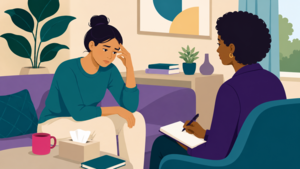
    Relationship counseling, commonly referred to as “couples therapy", “couples counseling," or "marriage counseling", is a psychotherapy approach aimed at helping partners tackle and settle conflicts in their relationship. This counseling offers a secure and unbiased environment where couples can delve into their emotions, enhance communication, and gain insight into each other's viewpoints.

    The primary purpose of seeing a psychologist for marriage counseling is to attend sessions that help individuals work through their conflicts, whether they stem from communication issues, trust problems, or differing values and goals. It’s important for couples to know that therapy is a collaborative process; progress may take time and requires openness and commitment from both partners. Additionally, confidentiality is a key component of therapy, allowing individuals to share their thoughts and feelings without fear of judgment. This process can lead to greater intimacy and a more resilient partnership.

    Who needs couples or relationship counseling?

    Many couples encounter challenges that can feel overwhelming, and recognizing the need for professional guidance from a couples counselor before divorce is imminent is the first step toward healing mental health and growth. Here are some signs that may indicate it’s time to seek help from a licensed marriage or relationship counseling sessions, according to AARP:

    • Frequent Arguments: If you find that disagreements occur regularly and escalate quickly, it may be a sign that underlying issues need to be addressed with the help of a counselor.
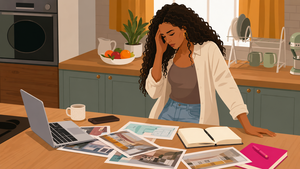
    • Financial Issues: Disagreements over finances can create a significant strain on a relationship. If money matters are causing stress or conflict, counseling can help couples navigate these discussions and find common ground.
    • Desire to Divorce: If one or both partners are contemplating separation or divorce, seeking counseling can provide a space to explore these feelings and assess whether the relationship can be salvaged.
    • Co-parenting Issues: Couples who share children may face unique challenges when it comes to co-parenting. Seeing a family therapist for counseling can assist in developing effective communication strategies and parenting plans that benefit the children. Family therapy can be for just the parents, just the children, or for the entire family unit, even step-parents. In fact, this type of therapy is best when all members of the family are involved.
    • Desire to Strengthen the Relationship: Even couples who are not experiencing major problems may seek counseling to enhance their connection, improve communication, and build a more resilient partnership.
    • Pre-marital or Civil Union Advice: Engaging in counseling before tying the knot can help couples address potential issues, set expectations, and build a strong foundation for their future together.

    When to seek professional relationship counseling?

    Regardless of which type of therapy you and your partner need, knowing when to seek professional relationship counseling is essential for maintaining a healthy partnership. While some couples may wait until problems escalate and they are on the verge of divorce, it's important to recognize that seeking help can be a proactive measure, especially during significant life changes or ongoing conflicts. Here are some key situations when couples should consider reaching out for professional support:

    • Abuse: If there is any form of emotional, physical, or psychological abuse, it is crucial to seek professional help immediately. Safety should always be the top priority, and counseling can provide resources and support for those affected.
    • Constant Critique: If one or both partners feel consistently criticized or find themselves wanting to escape the relationship, it may indicate deeper issues that need to be addressed. Counseling can help couples explore these feelings and work toward resolution.
    • Major Life Changes: Significant events such as pregnancy, moving, job changes, or the loss of a loved one can put stress on a relationship. Seeking counseling during these transitions can help couples navigate the challenges and adjustments that arise.
    • Communication Breakdown: If communication has become ineffective or hostile, and conflicts are frequent, it may be time to seek professional help. A counselor can provide tools to improve communication and foster understanding.
    • Loss of Intimacy: If partners notice a decline in emotional or physical intimacy, it can be a sign that issues need to be addressed. Counseling can help couples reconnect and explore underlying concerns.
    • Desire for Growth: Even if a relationship seems stable, couples may choose to seek counseling to enhance their connection, address minor issues, or prepare for future challenges. This proactive approach can strengthen the relationship and promote resilience.
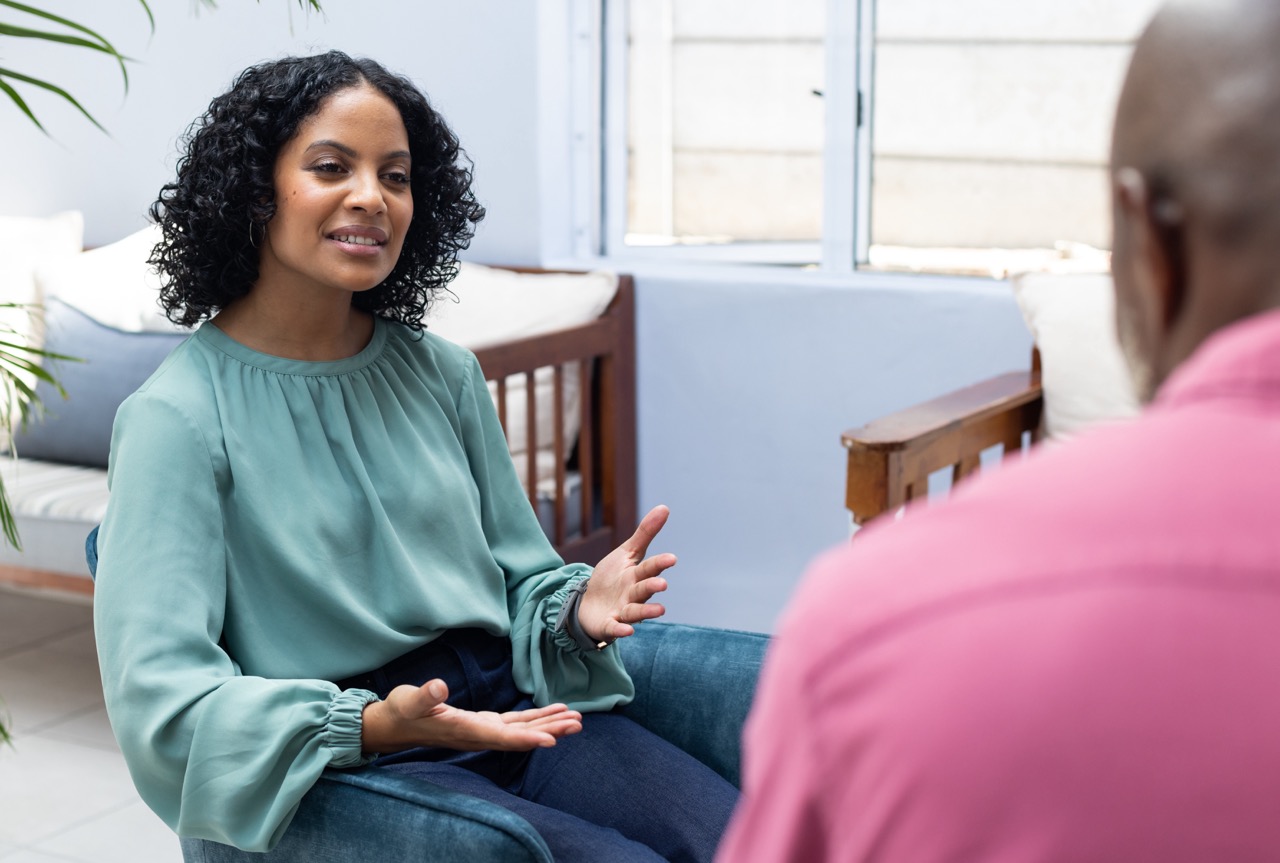

    Techniques used in couples counseling?

    In relationship counseling or couples counseling, there are various techniques that can help couples navigate their challenges and foster healthier communication patterns. These methods are designed to facilitate understanding, promote empathy, and encourage constructive dialogue between partners. Here are some common techniques that Talkspace notes are frequently used in licensed relationship counseling sessions:

    Gottman Method

    Developed by Dr. John Gottman, this approach focuses on building a sound relationship house by enhancing friendship, managing conflict, and creating shared meaning. It emphasizes the importance of positive interactions and helps couples develop skills to resolve conflicts effectively.


    Example: Partner repeats, “You feel overwhelmed about work stress.”

    Reflective Listening

    This technique involves one partner expressing their thoughts and feelings while the other actively listens and reflects back what they have heard. This process fosters understanding and ensures that both partners feel heard and validated.


    Example: Partner repeats, “You feel overwhelmed about work stress.”

    Emotionally Focused Therapy (EFT)

    EFT aims to help couples understand and reorganize their emotional responses to each other. By identifying negative interaction patterns, couples can learn to create a more secure emotional bond, enhancing intimacy and connection.


    Example: Partner reassures during moments of insecurity.

    Cognitive Behavioral Therapy (CBT)

    In the context of relationship counseling, CBT helps couples identify and change negative thought patterns and behaviors that contribute to conflict. By addressing these cognitive distortions, partners can develop healthier ways of interacting.


    Example: Replacing assumptions with facts prevents unnecessary arguments.

    Communication Skills Training

    This technique focuses on teaching couples effective communication strategies, such as using "I" statements, active listening, and assertiveness. Improving communication skills can significantly reduce misunderstandings and foster a more supportive environment.


    Example: Using “I feel upset” instead of blaming statements

    Imago Relationship Therapy

    This approach encourages partners to explore their childhood experiences and how they influence their current relationship dynamics. By understanding these patterns, couples can work toward healing and developing a deeper connection.


    Example: Recognizing childhood neglect influences reactions to criticism.

    Finding couples counselling near you

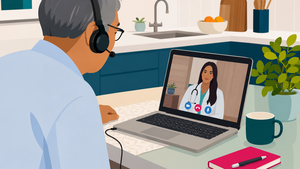
    There are several avenues to explore when seeking therapy. First, consider searching for local therapists who specialize in relationship issues—many professionals offer in-person sessions and can be found through online directories, local mental health organizations, or referrals from friends and family. Additionally, online couples counseling options have gained popularity, providing flexibility and accessibility for couples who may prefer virtual sessions from the comfort of their own homes. Various platforms connect couples with licensed therapists who focus on relationship problems, making it easier to find a suitable match.

    How to choose the right couples counselor

    Selecting a skilled therapist can strengthen your relationship. Consider these tips:

    • Choose a therapist specializing in couples counseling and proven techniques like Gottman or EFT.
    • Prioritize someone who fosters a safe, neutral, and non-judgmental environment.
    • Seek therapists offering practical communication and conflict resolution strategies.
    • Check for flexibility with scheduling, including online or evening sessions.
    • Ensure both partners feel comfortable and aligned with the therapist’s approach.

    By choosing the right counselor, you and your partner can work towards resolving conflicts, enhancing communication, and building a stronger connection.

    How to choose the right couples counselor

    FAQs

    Understanding the role of therapists and effective strategies for resolving relationship issues can empower couples to take positive steps toward healing and growth. Here are answers to common questions about couples therapy:

    • Can therapists help with relationship issues?

      Yes, therapists are trained to help couples navigate various relationship issues. They provide a safe and neutral space for partners to express their feelings, explore underlying conflicts, and develop effective communication strategies. Through various therapeutic techniques, therapists can guide couples in understanding each other's perspectives and finding constructive solutions to their problems.

    • How do we fix relationship problems?

      Fixing relationship problems often involves open communication, active listening, and a willingness to understand each other's viewpoints. Couples can benefit from identifying the root causes of their issues, setting aside time for meaningful conversations, and practicing empathy. Seeking professional counseling can also be a valuable step, as a therapist can provide tools and techniques to help couples address their challenges and strengthen their bond. Additionally, engaging in activities that promote connection, such as date nights or shared hobbies, can help rekindle intimacy and improve the overall relationship dynamic.

    • How long does couples therapy typically take?

      The duration varies; some couples resolve issues in weeks, while others may benefit from ongoing sessions over several months. It depends on the complexity of the issues and the couple’s commitment.

    • Can couples therapy work if only one partner attends?

      While it’s ideal for both partners to participate, one partner attending therapy alone can still foster personal growth and positively influence the relationship dynamic.

    • Is couples therapy effective for non-married couples?

      Yes! Couples therapy benefits all types of relationships, including those who are dating, cohabiting, or in long-term partnerships, by addressing communication, trust, and conflict resolution.

    Dr. Rob Rohatsch, MD, is a Board-Certified Emergency Medicine physician and urgent care executive. He earned his MD from Jefferson Medical College, currently serves on multiple boards and is Solv’s Chief Medical Officer.

    How we reviewed this article

    Medically reviewed

    View this article's sources and history, and read more about Solv's Content Mission Statement, editorial process, and editorial team.

    2 sources

    Solv has strict sourcing guidelines and relies on peer-reviewed studies, academic research institutions, and medical associations. We avoid using tertiary references.

    Get started

    Book a mental health provider

    Katrina Johnson, LISW

    ADHD, Addiction, Anxiety, Coping Skills, Depression, Domestic Violence, Grief, Military/Veterans, Trauma and PTSD

    27 years of experience

    Suzanne Oddo, LCSW

    Addiction, Coping Skills, Domestic Violence, Grief, Health/Medical Issues, Life Transitions, Older Adults, Peer Relationships, Personality Disorders, Self Esteem, Serious Mental Illness, Trauma and PTSD, Women's Issues

    6 years of experience

    GrowTherapy

    $21 avg cost per session with insurance

    See a therapist within 2 days

    Ciara Merriweather, PMHNP

    ADHD, Addiction, Anxiety, Bipolar Disorder, Depression, Eating Disorders, Health/Medical Issues, LGBTQ, Mood Disorders, Suicidal Ideation, Trauma and PTSD, Women's Issues

    30 years of experience

    Hamutyinei Mamutse, PMHNP

    ADHD, Anger Management, Anxiety, Bipolar Disorder, Depression, Dissociative Disorders, Insomnia/Sleep Issues, Medication Management, Mood Disorders, Obsessive-Compulsive (OCD), Personality Disorders, Trauma and PTSD

    6 years of experience

    Megan Burden, LPCC

    Child or Adolescent, Sexual Abuse, Trauma and PTSD

    10 years of experience

    See more providers
    Don't see your clinic?
    Request to add!

    Katrina Johnson, LISW (she/her)

    Specialties

    ADHD

    Addiction

    Anxiety

    Coping Skills

    Depression

    Domestic Violence

    Grief

    Military/Veterans

    Trauma and PTSD

    Serves ages

    18-64

    65+

    Licensed in

    OH

    About

    Katrina Noble Johnson is a licensed independent clinical social worker and chemical dependency counselor with over 25 years of experience. She holds a Master's degree in Clinical Social Work from the University of Cincinnati. Katrina provides specialized mental health and addiction treatment to individuals, children, families, and diverse populations, including military personnel, the homeless, and the elderly. Additionally, she has volunteered for various community and religious organizations in her area.

    Suzanne Oddo, LCSW (she/her)

    Specialties

    Addiction

    Coping Skills

    Domestic Violence

    Grief

    Health/Medical Issues

    Life Transitions

    Older Adults

    Peer Relationships

    Personality Disorders

    Self Esteem

    Serious Mental Illness

    Trauma and PTSD

    Women's Issues

    Serves ages

    18-64

    65+

    Licensed in

    IL

    NC

    OH

    About

    I am a licensed clinical social worker providing individual and couples therapy for adults navigating relationship challenges, grief and loss, emotional overwhelm and major life transitions. My goal is to help clients identify patterns that keep them stuck, strengthen boundaries and build practical coping strategies that support meaningful, lasting change. My approach is structured, supportive and nonjudgmental, creating space where clients can process challenges and move toward healing and growth. For clients who wish to integrate faith into their counseling journey, I also offer Christian based counseling. In addition to my therapy work, I bring over 6 years of experience as a medical social worker, serving in hospitals, hospices and long-term care settings. This background gives me a deeper understanding of the emotional, relational and practical challenges that often come with illness, caregiving, grief and significant life transitions. I am licensed to practice in IL, NC and OH.

    Ciara Merriweather, PMHNP (she/her)

    Specialties

    ADHD

    Addiction

    Anxiety

    Bipolar Disorder

    Depression

    Eating Disorders

    Health/Medical Issues

    LGBTQ

    Mood Disorders

    Suicidal Ideation

    Trauma and PTSD

    Women's Issues

    Serves ages

    All

    6-12

    13-17

    18-64

    65+

    Licensed in

    VT

    OH

    NY

    KY

    About

    Hello, I'm Dr. Ciara Merriweather, a dual-certified Psychiatric Mental Health Nurse Practitioner and Family Nurse Practitioner with nearly 30 years of healthcare experience. I provide compassionate, evidence-based care for adults experiencing ADHD, anxiety, depression, mood disorders, trauma-related concerns, and substance use challenges. My approach is collaborative, supportive, and nonjudgmental. I believe treatment works best when clients feel heard, respected, and actively involved in their care. Together, we'll develop a personalized treatment plan focused on your goals, strengths, and long-term well-being.

    Hamutyinei Mamutse, PMHNP (he/him)

    Specialties

    ADHD

    Anger Management

    Anxiety

    Bipolar Disorder

    Depression

    Dissociative Disorders

    Insomnia/Sleep Issues

    Medication Management

    Mood Disorders

    Obsessive-Compulsive (OCD)

    Personality Disorders

    Trauma and PTSD

    Serves ages

    18-64

    Licensed in

    OH

    About

    My name is Harmony Mamutse. I am a Psychiatric Mental Health Nurse Practitioner-Board Certified (PMHNP-BC). I obtained my master’s degree in Psychiatric Mental Health Nurse Practice from Indiana Wesleyan University, Marion, Indiana. The role of Psychiatric Mental Health Practitioner is to assess, diagnose and treat the mental health needs of those suffering from mental health diseases. My training allows me to approach behavioral health problems in a comprehensive way, with the understanding that one has a story to tell about what he/she been through in life. I believe in building trusting relationships with my clients, empowering them to take an active role in their mental health journey I am licensed in Ohio to prescribe psychiatric medication across the lifespan. I currently treat clients 18 and above age group. I also offer individual psychotherapy.

    Megan Burden, LPCC (she/her)

    Specialties

    Child or Adolescent

    Sexual Abuse

    Trauma and PTSD

    Serves ages

    18-64

    Licensed in

    OH

    About

    I’m excited you have found my page. I love working with young adults to find their passion in life, remove blocks that are keeping them from being their most awesome self and learn to live a life they have always dreamed. I’m a Licensed Professional Clinical Counselor Supervisor and a certified addictions Counselor. I’ve been a therapist for 10 years and absolutely love what I do. I’ve worked with teenagers overcome addictions, families evolved with children's services, young adults go off to college and become successful, and young adults overcome depression, major trauma, human trafficking, and anxiety. My background is extensive in working with children, adolescents, and young adults. Are you ready to change your life? Schedule your appointment with me today!

    This site uses cookies to provide you with a great user experience. By using Solv, you accept our use of cookies.