Therapy for Bipolar Disorder

    Finding a qualified therapist for bipolar disorder is crucial for managing its complexities and improving well-being. Therapy fosters balance, understanding, and a fulfilling life tailored to individual needs and challenges.

    Bipolar disorder involves extreme mood swings impacting daily life.

    Therapy helps navigate manic and depressive episodes effectively.

    Professional support promotes balance and long-term emotional stability.

    Finding the right therapist for bipolar disorder is a vital step toward managing the condition and enhancing your overall well-being. Given the complexities of bipolar disorder and its impact on daily life and relationships, seeking professional help is an essential part of your journey to effective treatment and support. Taking this step can lead to a more balanced and fulfilling life, so it’s important to invest time in finding the perfect therapeutic fit for you. This article is here to help you discover bipolar disorder therapists in your area, emphasizing the importance of connecting with a qualified and compassionate professional who can adapt their approach to suit your unique needs.

    What is bipolar disorder?

    Bipolar disorder, formerly known as manic-depressive disorder, is a mental health condition characterized by extreme mood swings that include emotional highs, known as hypomania or mania, and lows, referred to as depressive episodes. According to the National Institute of Mental Health (NIMH), these mood fluctuations can significantly impact a person's daily life, relationships, and overall functioning. During manic phases, individuals may experience heightened energy, reduced need for sleep, and impulsive behaviors, while depressive episodes can lead to feelings of sadness, hopelessness, and a lack of interest in activities. Bipolar disorder is a lifelong condition that requires ongoing management, and understanding its complexities is essential for those affected and their loved ones.


    Types of therapy for bipolar disorder

    Common triggers for bipolar disorder can include stress, significant life changes, lack of sleep, and substance abuse, which can exacerbate mood swings. Consequently, having a comprehensive treatment plan is vital for managing crises and maintaining stability. Understanding the various types of therapy for bipolar disorder is essential, as individuals may experience different episodes that require tailored treatment approaches. Effective therapy can help individuals develop coping strategies, improve relationships, and gain insight into their condition. Here are some recommended talk therapies for bipolar disorder, as listed by the National Alliance on Mental Illness (NAMI):

    Cognitive Behavioral Therapy (CBT)

    This therapy focuses on identifying and changing negative thought patterns and behaviors, helping individuals develop healthier coping mechanisms and manage their symptoms more effectively.

    Interpersonal Therapy

    This approach emphasizes improving interpersonal relationships and social functioning, addressing issues that may trigger mood episodes, and enhancing communication skills.

    Psychoeducation

    This involves educating individuals and their families about bipolar disorder, its symptoms, and treatment options, empowering them to recognize triggers and manage the condition proactively.

    Family-focused Therapy

    This therapy engages family members in the treatment process, fostering better communication and understanding within the family unit, which can help reduce stress and improve support for the individual.

    Couples Therapy

    This type of therapy addresses relationship dynamics and communication between partners, helping couples navigate the challenges posed by bipolar disorder and strengthen their bond.

    5 benefits of bipolar disorder treatment

    5 benefits of bipolar disorder treatment

    Undergoing treatment for bipolar disorder offers numerous benefits that can significantly enhance an individual's quality of life, according to the Substance Abuse and Mental Health Services Administration. They explain that engaging in therapy not only helps manage the symptoms of the disorder but also fosters personal growth and improved relationships. Here are some key benefits of bipolar disorder treatment:

    • Better relationships with family, friends, and colleagues

      Therapy can improve communication skills and emotional regulation, leading to healthier interactions and stronger connections with loved ones and coworkers.
    • General life management (career/finances)

      With effective treatment, individuals can better manage their responsibilities, leading to improved performance at work and more effective handling of financial matters, reducing stress and anxiety.
    • Learn healthier lifestyle habits

      Therapy often incorporates strategies for developing healthier routines, including regular exercise, balanced nutrition, and adequate sleep, which can contribute to overall well-being.
    • Increased self-awareness

      Therapy encourages individuals to explore their thoughts and feelings, fostering a deeper understanding of their condition and personal triggers, which can lead to more proactive management of their symptoms.
    • Enhanced coping strategies

      Through therapy, individuals learn practical tools and techniques to cope with stress and mood fluctuations, empowering them to navigate challenges more effectively and maintain stability.

    Finding therapy for bipolar disorder near you

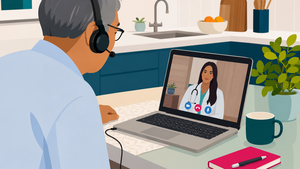
    There are several avenues to explore when seeking therapy services. Local therapists can often be found through online directories, mental health organizations, or by asking for referrals from healthcare providers or trusted friends and family. Additionally, NAMI notes that many therapists now offer online counseling options, which provide flexibility and accessibility, allowing individuals to connect with qualified professionals from the comfort of their own homes. Therapy centers that specialize in bipolar disorder may also be available in your area, offering targeted services and support tailored to the unique needs of individuals with this condition. By exploring these resources, you can find the right therapeutic support to help you on your journey to better mental health.

    How to choose the right therapist for bipolar disorder therapy

    Selecting a therapist who specializes in bipolar disorder can help you effectively manage symptoms. Here’s what to consider:

    • Look for expertise in therapies like CBT, interpersonal therapy, or family-focused approaches.
    • Ensure they offer psychoeducation to help you and your loved ones understand the condition.
    • Choose someone who fosters a collaborative and supportive environment.
    • Verify their experience in managing mood disorders and creating tailored treatment plans.
    • Consider flexibility with online sessions or evening availability for convenience.

    A knowledgeable and empathetic therapist can guide you toward stability and a more fulfilling life.

    How to choose the right therapist for bipolar disorder therapy

    Frequently Asked Questions

    Understanding the available options and their effectiveness can empower individuals on their journey to mental wellness.

    • Who can treat concerns about bipolar disorder?

      Concerns about bipolar disorder can be treated by a variety of mental health professionals, including psychiatrists, psychologists, licensed clinical social workers, and licensed professional counselors. These professionals have the training and expertise to provide appropriate assessments, therapy, and medication management tailored to individual needs.

    • What’s the most effective therapy type for bipolar disorder?

      While there is no one-size-fits-all answer, Cognitive Behavioral Therapy (CBT) is often considered one of the most effective therapy types for bipolar disorder. It helps individuals identify and modify negative thought patterns and behaviors, but other therapies, such as interpersonal therapy and psychoeducation, can also be beneficial depending on the individual's circumstances.

    • Can you control bipolar disorder with therapy?

      Yes, therapy can play a significant role in helping individuals manage bipolar disorder. While it may not "cure" the condition, therapy provides essential tools and strategies for coping with symptoms, recognizing triggers, and developing a comprehensive management plan, ultimately leading to improved stability and quality of life.

    • How can family members support someone with bipolar disorder during therapy?

      Family members can attend family-focused therapy sessions, learn about the condition, and provide a supportive environment, fostering better communication and understanding within the household.

    • Are online therapy options effective for treating bipolar disorder?

      Yes, online therapy provides flexibility and accessibility, allowing individuals to connect with qualified therapists who specialize in bipolar disorder from the comfort of their homes.

    • What role does psychoeducation play in managing bipolar disorder?

      Psychoeducation helps individuals and their families understand bipolar disorder, recognize triggers, and proactively manage symptoms, empowering them to take control of the condition effectively.

    • Can couples therapy help when one partner has bipolar disorder?

      Yes, couples therapy improves communication and addresses relationship challenges, helping partners navigate the effects of bipolar disorder and strengthen their emotional bond.

    Dr. Rob Rohatsch, MD

    Dr. Rob Rohatsch, MD, is a Board-Certified Emergency Medicine physician and urgent care executive. He earned his MD from Jefferson Medical College, currently serves on multiple boards and is Solv’s Chief Medical Officer.

    How we reviewed this article

    Medically reviewed

    View this article's sources and history, and read more about Solv's Content Mission Statement, editorial process, and editorial team.

    4 sources

    Solv has strict sourcing guidelines and relies on peer-reviewed studies, academic research institutions, and medical associations. We avoid using tertiary references.

    Get started

    Book a mental health provider

    Niamalika Taylor, LISW

    Niamalika Taylor, LISW

    Anxiety, Career Counseling, Coping Skills, Crisis Intervention, Depression, Family Conflict, Family Therapy, Grief, Life Transitions, Parenting, Peer Relationships, Racism, Self Esteem

    13 years of experience

    Sheree Starr, PMHNP

    Sheree Starr, PMHNP

    ADHD, Addiction, Anger Management, Anxiety, Bipolar Disorder, Coping Skills, Depression, Domestic Violence, Eating Disorders, Family Therapy, Personality Disorders, Trauma and PTSD

    3 years of experience

    GrowTherapy

    GrowTherapy

    $21 avg cost per session with insurance

    See a therapist within 2 days

    Amy Williams, PMHNP

    Amy Williams, PMHNP

    ADHD, Addiction, Anxiety, Depression, Medication Management

    4 years of experience

    Katrina Johnson, LISW

    Katrina Johnson, LISW

    ADHD, Addiction, Anxiety, Coping Skills, Depression, Domestic Violence, Grief, Military/Veterans, Trauma and PTSD

    27 years of experience

    Emmanuel Nji, PMHNP

    Emmanuel Nji, PMHNP

    ADHD, Addiction, Anger Management, Anxiety, Autism, Bipolar Disorder, Depression, Dissociative Disorders, Domestic Violence, Eating Disorders, Mood Disorders, Obsessive-Compulsive (OCD), Post Partum

    5 years of experience

    See more providers
    Don't see your clinic?
    Request to add!
    Niamalika Taylor, LISW (she/her)

    Niamalika Taylor, LISW (she/her)

    Specialties

    Anxiety

    Career Counseling

    Coping Skills

    Crisis Intervention

    Depression

    Family Conflict

    Family Therapy

    Grief

    Life Transitions

    Parenting

    Peer Relationships

    Racism

    Self Esteem

    Serves ages

    13-17

    18-64

    65+

    Licensed in

    OH

    About

    I’m Niamalika Taylor, a Licensed Independent Social Worker inspired by helping individuals recognize the strength and possibilities within themselves. I understand and value how important it is for people to feel heard, seen, and understood as we navigate this journey called life. I believe you have the right to make choices that support your happiness, peace, and the life you desire. I’m committed to helping you better understand your emotions, recognize your strengths, strengthen your voice, and develop practical tools to navigate life’s challenges with greater confidence and intention. What inspires me most is helping individuals recognize that meaningful change can happen step by step, thought by thought, and choice by choice. I want therapy to be more than a place to talk. I want you to leave with tools you can carry throughout life as you continue to create and recreate what happiness, peace, and being able to say “I am okay” mean to you.

    Sheree Starr, PMHNP (she/her)

    Sheree Starr, PMHNP (she/her)

    Specialties

    ADHD

    Addiction

    Anger Management

    Anxiety

    Bipolar Disorder

    Coping Skills

    Depression

    Domestic Violence

    Eating Disorders

    Family Therapy

    Personality Disorders

    Trauma and PTSD

    Serves ages

    18-64

    Licensed in

    OH

    AZ

    About

    Im a PMHNP and my role is dedicated to providing care to individual across the lifespan facing mental health challenges. My goal is to help you navigate challenges and improve your overall quality of life. Joining you to support your mental health and well being. Providing comprehensive care by assessing your mental health needs, offering therapy and prescribing medications when clinically appropriate.

    Address

    25000 Euclid Ave Suite 206, Euclid, OH, 44117

    Amy Williams, PMHNP (she/her)

    Amy Williams, PMHNP (she/her)

    Specialties

    ADHD

    Addiction

    Anxiety

    Depression

    Medication Management

    Serves ages

    All

    6-12

    13-17

    18-64

    65+

    Licensed in

    WA

    OR

    AZ

    OH

    About

    Amy is a Board-Certified Psychiatric Mental Health Nurse Practitioner and Family Nurse Practitioner. Amy has extensive training and experience in psychiatry and internal medicine, having worked in both outpatient and inpatient. Her approach to mental health prioritizes collaborative care, involving both the patient and their other healthcare providers. She takes a holistic approach to understanding each patient and works closely with them to develop an individualized treatment plan based on evidence-based practices. Her goal is to positively impact her patients' lives, empowering them on their journey to enhance their mental well-being and achieve their full potential. Amy specializes in treating adults with anxiety, depression, mood disorders, obsessive-compulsive disorder (OCD), and attention-deficit/hyperactivity disorder (ADD/ADHD).

    Katrina Johnson, LISW (she/her)

    Katrina Johnson, LISW (she/her)

    Specialties

    ADHD

    Addiction

    Anxiety

    Coping Skills

    Depression

    Domestic Violence

    Grief

    Military/Veterans

    Trauma and PTSD

    Serves ages

    18-64

    65+

    Licensed in

    OH

    About

    Katrina Noble Johnson is a licensed independent clinical social worker and chemical dependency counselor with over 25 years of experience. She holds a Master's degree in Clinical Social Work from the University of Cincinnati. Katrina provides specialized mental health and addiction treatment to individuals, children, families, and diverse populations, including military personnel, the homeless, and the elderly. Additionally, she has volunteered for various community and religious organizations in her area.

    Emmanuel Nji, PMHNP (he/him)

    Emmanuel Nji, PMHNP (he/him)

    Specialties

    ADHD

    Addiction

    Anger Management

    Anxiety

    Autism

    Bipolar Disorder

    Depression

    Dissociative Disorders

    Domestic Violence

    Eating Disorders

    Mood Disorders

    Obsessive-Compulsive (OCD)

    Post Partum

    Serves ages

    13-17

    18-64

    65+

    Licensed in

    OH

    VA

    About

    My name is Dr. Emmanuel Nji, DNP, PMHNP-BC, a board-certified Psychiatric Mental Health Nurse Practitioner with a Doctorate in Nursing Practice and five years of outstanding clinical experience. I am the founder of Gateway Psychiatric Services, based in Albuquerque, New Mexico, and Chilicothe, Ohio, where I am dedicated to providing compassionate, whole-person psychiatric care to adults ready to reclaim their mental health and their lives. My clinical journey spans outpatient psychiatry, corrections, dialysis, and emergency medicine, giving me a uniquely broad perspective that allows me to treat complex conditions with both precision and empathy. Originally from Cameroon, West Africa, I bring a deep cultural sensitivity and genuine understanding of the diverse lived experiences that shape mental health. I believe that healing is most powerful when it honors the whole person — their story, their background, and their goals. I specialize in the diagnosis and treatment of depression, anxiety, PTSD, bipolar disorder, ADHD, and schizophrenia. My approach combines rigorous evidence-based psychiatric care with a warm, personalized touch that makes every patient feel seen, heard, and valued — never just a diagnosis or a number. Outside of my practice, I am a husband, a father of two sons, and someone who understands firsthand the importance of balance, resilience, and community. Those values show up in everything I do for my patients. I started Gateway Psychiatric Services because I believe everyone deserves access to exceptional mental health care delivered with dignity and compassion. Whether you are navigating your first mental health concern or have been struggling for years, I am here to walk alongside you with clinical excellence and unwavering commitment to your healing. You deserve to feel like yourself again. I would be honored to be your partner on that journey.

    Address

    217 Delano Ave Suite A, Chillicothe, OH, 45601

    This site uses cookies to provide you with a great user experience. By using Solv, you accept our use of cookies.