Urgent care near me
 Key points
- Kindergarten entry typically requires completion of DTaP, IPV, MMR, varicella, hepatitis A, and hepatitis B series.
- Middle school entry (around 6th grade) adds Tdap booster, MenACWY, and HPV vaccine series.
- At age 16, a MenACWY booster is recommended to extend meningitis protection through the college years.
- Flu vaccine is recommended annually for all school-age children starting at 6 months.
- Vaccine requirements are set by each state — check your state health department for the exact doses required.
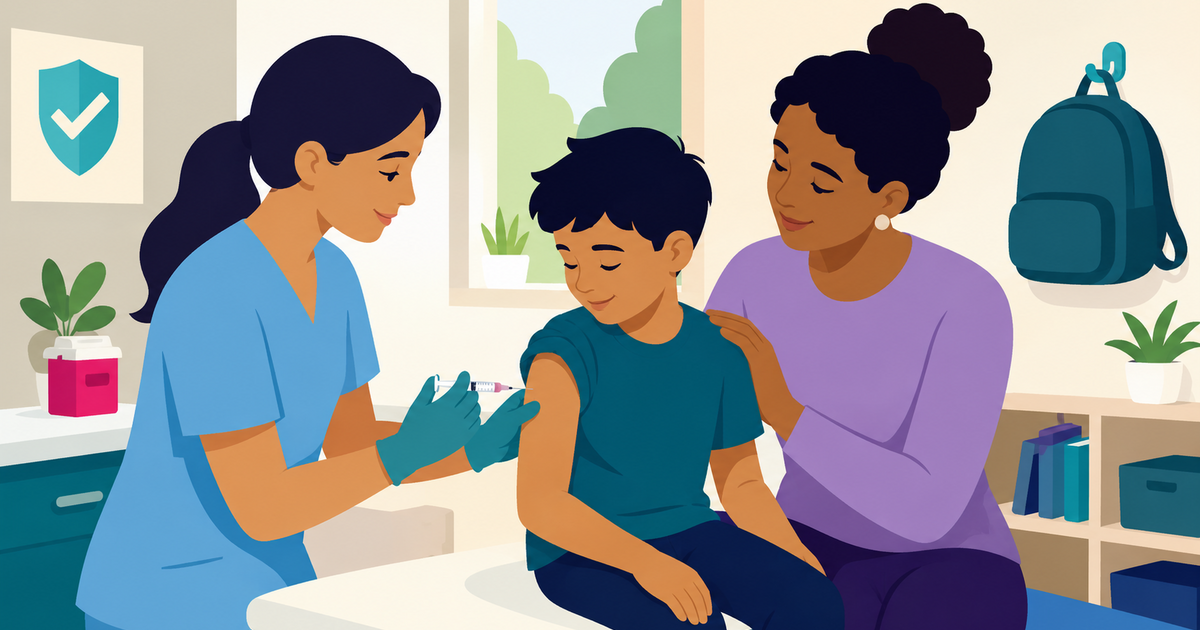
Every fall, schools across the country require proof of up-to-date vaccinations before students can enroll or return to class. Requirements vary by state and grade level, and catching up on missed vaccines before the first day saves your family from last-minute scrambles. Here is what your child needs at each key milestone.
Kindergarten entry vaccines
Entering kindergarten typically requires the most comprehensive vaccine review. Most states require documentation of the following series being complete:
- DTaP (diphtheria, tetanus, pertussis) — 5th dose
- IPV (inactivated polio vaccine) — 4th dose
- MMR (measles, mumps, rubella) — 2nd dose
- Varicella (chickenpox) — 2nd dose, or documented history of disease
- Hepatitis B — 3-dose series
- Hepatitis A — 2-dose series
Many states also require proof of a recent well-child visit. Check your state health department's current requirements — they are updated regularly.
Middle school entry vaccines (around 6th grade)
Entering middle school triggers two important new vaccines that the CDC recommends for children around age 11 or 12:
- Tdap (tetanus, diphtheria, pertussis booster) — 1 dose, replaces the childhood DTaP series for older children
- Meningococcal vaccine (MenACWY) — 1st dose, protects against bacterial meningitis
- HPV vaccine — series begins at age 11–12 (2 doses if started before age 15; 3 doses if started at 15 or older)
Pertussis (whooping cough) outbreaks are most common in school-age children, which is why the Tdap booster is required at this stage rather than waiting for high school.
High school vaccines (around 11th grade)
At age 16, the CDC recommends a second meningococcal vaccine dose (MenACWY booster) to extend protection through the college years, when students living in dorms face elevated exposure risk. Some states also require or recommend:
- MenB (meningococcal serogroup B) — 2–3 doses, recommended for high-risk students and those heading to college
- HPV series completion — if not completed in middle school
Annual vaccines required every school year
Two vaccines are recommended annually for all school-age children regardless of grade:
- Influenza (flu) vaccine — recommended every fall starting at 6 months of age
- COVID-19 — updated annually per CDC guidance; some states include this in school requirements
How to find your state's specific requirements
Vaccine requirements for school entry are set at the state level and can differ significantly. The CDC maintains a state-by-state immunization requirements database, and your state health department website lists the exact doses and timing required for each grade. When in doubt, your child's school or district can provide the required immunization form.
When to visit urgent care
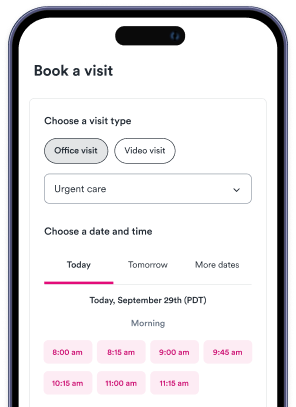
If your child is missing one or more vaccines before the school year starts and your pediatrician has a long wait, an urgent care clinic can administer most childhood vaccines same-day. Bring your child's current immunization record so the clinician knows exactly which doses are due.
Frequently asked questions
What vaccines does my child need before starting kindergarten?
Most states require DTaP (5th dose), IPV (4th dose), MMR (2nd dose), varicella (2nd dose), hepatitis B (3-dose series), and hepatitis A (2-dose series) for kindergarten entry.
What vaccines are required for middle school?
Children entering middle school typically need a Tdap booster, MenACWY (meningococcal vaccine), and the start of the HPV series. Requirements vary by state.
Does my teenager need any vaccines before high school?
The CDC recommends a second MenACWY dose at age 16. Some states also require MenB and HPV series completion. Check your state's requirements before 11th grade.
Can urgent care give my child their school vaccines?
Yes. Most urgent care clinics can administer childhood vaccines same-day. Bring your child's current immunization record so the clinician knows which doses are needed.
What happens if my child is missing vaccines at school enrollment?
Schools may grant a short grace period, but students are typically excluded from class until their records are up to date. Start the catch-up process as early as possible before the school year begins.

Dr. Linda Halbrook is a Board-Certified Family Medicine physician with over 40 years of experience, dedicated to providing comprehensive care to patients across Texas. She retired from practice but currently serves on the Clinical Services Committee of CommonGood Medical, a non-profit organization serving the uninsured in Collin County.
How we reviewed this article
Medically reviewed
View this article's sources and history, and read more about Solv's Content Mission Statement, editorial process, and editorial team.
5 sources
Solv has strict sourcing guidelines and relies on peer-reviewed studies, academic research institutions, and medical associations. We avoid using tertiary references.
- Child and Adolescent Immunization Schedule. Centers for Disease Control and Prevention.
- School Vaccinations. Centers for Disease Control and Prevention.
- Adolescent Vaccines: What You Need to Know. HealthyChildren.org.
- Meningococcal Vaccination. Centers for Disease Control and Prevention.
- HPV Vaccine Information for Parents. Centers for Disease Control and Prevention.
Solv’s team of medical writers and experts review and update our articles when new information becomes available.
August 05 2026
Written by Solv Editorial Team
Medically reviewed by: Dr. Rob Rohatsch, MD