Urgent care near me
Wegovy pill from $149/month
The FDA-approved weight loss pill is here
No injections. Just once-daily Wegovy® with proven results—up to 17% average weight loss in trials.
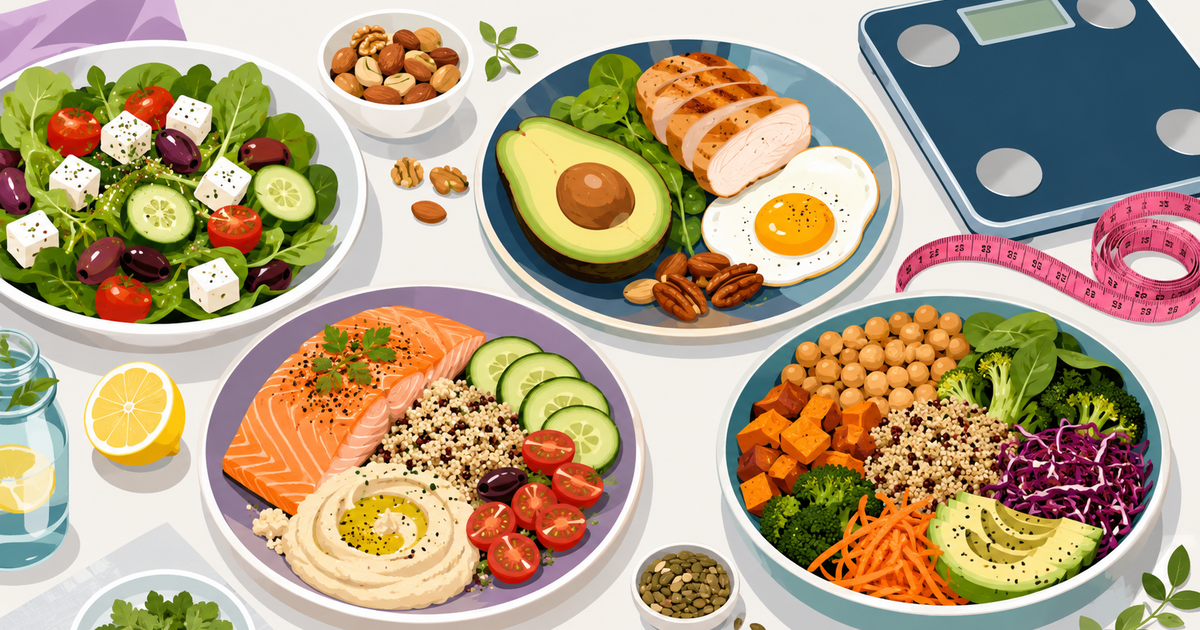
Choosing a “best” diet in 2026 shouldn’t mean jumping on the newest trend. It should mean picking an eating pattern that’s safe, nutritionally complete, realistic for family life and budgets, and actually improves health outcomes. That’s what we prioritized here. (For context on why this matters: more than 4 in 10 U.S. adults had obesity during August 2021–August 2023, and nearly 1 in 10 had severe obesity, according to the CDC.)
If you're working toward a caloric deficit, our guide on how to lose body fat with science-backed strategies covers the practical side of sustainable fat loss.
Sleep is often overlooked in weight loss plans—read how sleep directly affects weight loss and metabolism.
We built a simple, judicious, 5-part framework using only clinical and public-health guidance — not commercial programs. Each diet was scored 0–100 across five weighted criteria:
Strength of health evidence (40%) – Quality/quantity of research linking the pattern to better cardiometabolic outcomes (blood pressure, lipids, A1C, weight) and long-term health. Benchmarked against major guidelines and scientific statements.
Nutritional adequacy and safety (20%) – Alignment with core healthy-diet principles (adequate fiber, unsaturated fats, limited added sugar/salt, avoidance of extreme restrictions).
Sustainability and ease (20%) – Day-to-day livability for busy households (meal flexibility, dining out, cultural fit). Grounded in guidance that flexible, plant-forward patterns are easier to maintain.
Accessibility and cost (10%) – Potential to do well with common grocery options and budget-friendly swaps (e.g., canned beans, frozen produce) per mainstream public-health resources.
Condition fit (10%) – Specific support for common health goals (heart health, cholesterol, diabetes).
NOTE: We intentionally left out commercial diet programs, focusing instead on frameworks you can apply at home without additional costs.
Best overall: Mediterranean diet
Best for high blood pressure: DASH
Best for LDL cholesterol: Portfolio diet
Best for diabetes (glucose and lipids): Lower-carb ADA-supported pattern
Best for brain health/aging: MIND diet
Best plant-forward without strict rules: Flexitarian
Best seafood-forward plant-based: Pescatarian
Best vegetarian option: Lacto-ovo vegetarian
Best for fullness per calorie (weight loss): Volumetrics
Best doctor-directed cholesterol plan you can do at home: TLC diet
A large, consistent body of research links Mediterranean-style eating to lower cardiovascular risk, healthier aging, and support for weight management when paired with reasonable calorie targets. It emphasizes vegetables, fruits, whole grains, beans, nuts, olive oil, and frequent fish — with modest dairy, poultry, and minimal processed meats/sweets. According to Harvard’s Nutrition Source and a 2023 AHA statement, Mediterranean-style patterns align closely with heart-healthy guidance.
Half produce; whole grains; beans or fish; olive oil as the main fat.
Pros | Cons |
|---|---|
Strong evidence for heart health and longevity. | Olive oil, nuts, and fish can increase grocery costs if not planned. |
Flexible and family-friendly; easy to dine out. | Vague portions can lead to overeating without attention to plate balance. |
Naturally high in fiber and unsaturated fats. | Alcohol (wine) is optional and not universally recommended. |
Designed by the National Heart, Lung, and Blood Institute, DASH lowers blood pressure and improves lipids by emphasizing vegetables, fruits, whole grains, low-fat dairy, beans, nuts, and lean proteins while limiting sodium, saturated fat, and added sugars. NHLBI provides detailed, budget-friendly serving targets and sodium options (2,300 mg or 1,500 mg).
Pros | Cons |
|---|---|
Clinically proven to reduce blood pressure within weeks when followed as intended. | Tracking sodium and servings can feel “homework-heavy” at first. |
Uses everyday foods; no special products required. | Restaurant and packaged foods can make sodium goals difficult. |
Supports heart health beyond BP (LDL lowering). | Low-fat emphasis may be misapplied if it crowds in refined carbs. |
Portfolio is a food-portfolio of four evidence-based LDL-lowering components: viscous fiber (e.g., oats/barley/psyllium), plant sterols, soy protein, and nuts. Cohort and interventional data show meaningful LDL reductions and potential CVD risk lowering when people adhere to the pattern. Harvard and the American Heart Association both highlight Portfolio’s LDL-lowering potential.
Pros | Cons |
|---|---|
Targets LDL with specific food “levers” supported by research. | Requires label reading and planning to consistently hit fiber/sterol targets. |
Can be done on a budget with oats, beans, and store brands. | Some “fortified” sterol products cost more and aren’t for everyone. |
Plant-forward; dovetails with Mediterranean/DASH meals. | Not a weight-loss plan per se—calories still matter. |
Flexitarian = mostly plants, with room for eggs/dairy and occasional meat or fish. It captures many benefits of vegetarian eating with better day-to-day flexibility — useful for families with mixed preferences. The International Food Information Council characterizes it as a “semi-vegetarian, plant-forward” pattern rather than a rigid rulebook. AHA ranks plant-forward patterns (vegetarian/pescatarian) in its top tier for heart health, and flexitarian typically overlaps those features with added practicality.
Pros | Cons |
|---|---|
Easier long-term adherence than strict vegetarian or vegan for many families. | Without a plan, protein/iron/B12 can run low on heavily meat-free weeks. |
Plant-rich, fiber-rich, budget-friendly with beans, lentils, frozen veg. | Vague guardrails — some people prefer more structure. |
Fits cultural cuisines and dining out. | Health impact depends on overall quality (whole vs. ultra-processed). |
MIND merges Mediterranean and DASH, zeroing in on leafy greens, berries, whole grains, beans, nuts, olive oil, poultry, and fish — while limiting butter, cheese, fried/fast food, and pastries. Observational studies link higher MIND scores with slower cognitive decline and lower dementia risk; a 3-year RCT found improved diet quality and weight in both groups, suggesting longer follow-up may be needed to see cognitive differences. Harvard’s MIND review summarizes the evidence and practical weekly targets.
Pros | Cons |
|---|---|
Specific weekly targets for brain-promoting foods. | Berries/leafy greens can be pricey (frozen is a smart swap). |
Naturally heart-healthy and diabetes-friendly. | Hitting weekly quotas takes planning; less guidance on portions. |
Compatible with family meals. | Cognitive benefits over short time frames remain uncertain. |
A plant-centered diet that includes fish/seafood tends to align with heart-healthy guidance and offers omega-3 fats that support cardiometabolic health. It’s a top-tier pattern in the AHA scientific statement.
Pros | Cons |
|---|---|
Cardiometabolic benefits with built-in omega-3s from fish. | Watch mercury sources; vary species and choose low-mercury options. |
Easier protein variety than strict vegetarian. | Seafood can be expensive depending on choices and location. |
Family-friendly and flexible. | Still requires planning for fiber/iron if meals lack legumes/greens |
Vegetarian patterns score high for heart health and diabetes support — especially when centered on whole foods (beans, lentils, vegetables, whole grains) and healthy fats. Including eggs and dairy can simplify meeting protein and calcium needs.
Pros | Cons |
|---|---|
Strong alignment with heart-healthy guidance. | Risk of B12/iron shortfalls if not planned — especially in low-dairy eaters. |
Budget-friendly proteins (beans, lentils, tofu). | “Junk food vegetarian” is possible; quality matters. |
Works well for family cooking. | May require supplements for some individuals (guided by a clinician). |
Volumetrics focuses on low energy density — loading the plate with water- and fiber-rich foods (soups, produce, beans, whole grains) so portions feel big while calories stay reasonable. It fits within low-fat/plant-rich tiers that AHA scores favorably when quality carbs are chosen.
Pros | Cons |
|---|---|
High satiety; practical for weight loss without strict tracking. | Can under-emphasize healthy fats if misapplied. |
Encourages more produce, soups, beans, and whole grains. | Eating out may be trickier unless you customize sides/soups/salads. |
Flexible, not prescriptive. | Some athletes or high-calorie-needs folks may need adjustments. |
The American Diabetes Association recognizes lower-carb (typically 26–45% of calories) and very low-carb patterns as effective options for reducing A1C, lowering triglycerides, and raising HDL in many adults, when planned for nutrient quality. This is about emphasizing non-starchy vegetables, quality proteins, and healthy fats — not a license for unlimited saturated fat.
The AHA statement cautions that very low-carb/keto patterns often conflict with long-term heart-healthy guidance; a moderate, quality-focused approach is the safer lane for most people.
Pros | Cons |
|---|---|
Can improve A1C, triglycerides, HDL for many adults. | Over-restricting carbs can crowd out fiber-rich fruits/whole grains/legumes. |
Clear guardrails for carb-counting personalities. | Some find it harder to sustain; social meals may be tougher. |
Compatible with Mediterranean-style choices (e.g., lower-carb Med). | Requires attention to unsaturated vs saturated fat sources. |
TLC (Therapeutic Lifestyle Changes) is an NHLBI program combining diet, physical activity, and weight management to reduce LDL cholesterol — by lowering saturated fat, increasing soluble fiber, and adding plant sterols/stanols. It’s practical, especially if your clinician has set LDL goals.
Pros | Cons |
|---|---|
Clear cholesterol-targeted steps (saturated fat, soluble fiber, sterols). | Requires reading labels and sometimes using fortified foods. |
Integrates exercise and weight management with diet. | Can feel “clinical” without meal inspiration. |
Budget-friendly core foods (oats, beans, produce). | Not primarily a weight-loss plan — results focus on LDL. |
Across these high-scoring patterns you’ll see the same themes:
Fiber first: fruits/vegetables, legumes, whole grains, nuts/seeds.
Fat quality over quantity: emphasize unsaturated fats (olive/canola oil, nuts, fish) and keep saturated fat low; avoid trans fat.
Limit added sugars and salt.
These are exactly the pillars echoed by the World Health Organization and American Heart Association for broad cardiometabolic health.
Pick a pattern that fits your household (Mediterranean, DASH, or Flexitarian are easiest on families).
Shop the big rocks: frozen berries/veggies, oats, brown rice, lentils/beans, olive or canola oil, canned low-mercury tuna/salmon, eggs, low-fat yogurt, leafy greens.
Build balanced plates most of the time (half produce; quarter protein; quarter whole grain; add a spoon of healthy fat). That mirrors NHS “Eatwell” guidance in everyday words.
Personalize for conditions:
High blood pressure? Prioritize DASH and mind sodium.
High LDL? Layer Portfolio/TLC elements (oats/psyllium, nuts, sterols, soy).
Diabetes? Consider lower-carb ADA-supported with Mediterranean food choices.
“Safety note: Always loop in your primary care clinician—especially if you have diabetes, heart disease, kidney disease, or you take medications that may need adjustment as your diet changes. If you need help getting timely care (in person or via telemedicine), you can book with a nearby clinician through Solv.”
Because the way you eat directly shapes long-term health — blood pressure, cholesterol, blood sugar, weight, and even risk for heart disease and stroke. Global guidance from the World Health Organization is clear: healthy patterns rich in vegetables, fruits, whole grains, legumes, nuts, and unsaturated fats help prevent noncommunicable diseases, while high sodium, added sugar, and saturated/trans fats raise risk.
In the U.S., obesity and severe obesity remain common, underscoring the need for sustainable, evidence-based eating patterns rather than short-term fads.
Choose the eating pattern you can live with most days of the week. The American Diabetes Association (ADA) emphasizes that there’s no single “best” diet for everyone —meal patterns should fit your culture, budget, schedule, health conditions, and preferences.
Use this quick checklist:
Your goals: blood pressure? LDL cholesterol? A1C? weight?
(DASH supports blood pressure; Portfolio/TLC target LDL; ADA-supported lower-carb can help A1C.)
Your lifestyle: cooking time, dining out, family tastes (Mediterranean/flexitarian are flexible and family-friendly; DASH offers clear serving targets).
Nutrition basics: Favor patterns that prioritize fiber, healthy fats, and minimal added sugar/salt — core elements echoed by WHO, NHS, and AHA.
Medical fit: If you have diabetes, heart, or kidney disease — or take medications that may change with weight loss — loop in your clinician before making big changes. (Solv can help you book same-day primary care or virtual visits.)
Start simple, then build momentum.
Pick your lane. Choose one pattern (e.g., Mediterranean, DASH, flexitarian) and stick with it 80–90% of the time. AHA analysis shows these flexible, plant-forward patterns align best with heart-healthy guidance.
Stock the “big rocks.” Frozen vegetables and berries, oats, brown rice, beans/lentils, olive or canola oil, canned low-mercury fish, eggs, low-fat yogurt, leafy greens. (Budget-friendly and versatile per NHS “Eatwell” principles.)
Use a plate visual. Half veggies, one-quarter protein, one-quarter whole grains, plus a drizzle of healthy fat — easy to apply across cuisines (consistent with ADA’s meal-pattern approach).
Plan 3 “default” meals + 2 snack combos. Think: bean-and-veg chili; sheet-pan salmon, potatoes, and broccoli; whole-wheat pita with hummus/veg.
Set one measurable target for 2 weeks. Example: “5 cups of veg per day,” or “<2,000 mg sodium most days” if doing DASH.
Adherence beats perfection.
Make it visible: Pre-prep produce, cook a batch of beans or grains, and keep fruit on the counter. (Meal-prep helps busy weeks.)
Automate choices: Rotate a short list of breakfasts and lunches; save “new recipes” for weekends.
Flavor, not salt/sugar: Load up herbs, spices, citrus, and vinegar; keep sodium sensible to support blood pressure (DASH).
Don’t fear healthy fats: Use olive/canola oil, nuts, seeds, and fish — improves satiety and cardiometabolic health when replacing saturated fat.
Track what matters (lightly): Pick one or two metrics — BP, A1C/fasting glucose, LDL, or waist — and one habit metric (veg servings/day).
Make “social rules.” Decide ahead: share dessert, order extra veg sides, or swap fries for salad 3 out of 4 restaurant meals.
Get support. A primary-care or dietitian check-in keeps goals realistic and meds appropriately adjusted; easy to set up via Solv if you don’t have a regular clinician.
It’s not working if you can’t sustain it, if you’re hungry or fatigued most days, or if health markers aren’t improving (e.g., BP not trending down on DASH, LDL not improving despite TLC/Portfolio elements, A1C not budging on a lower-carb plan). Reassess after 6–12 weeks: adjust portions, fiber/fat quality, or try a different pattern with your clinician’s guidance.
AHA also cautions that highly restrictive plans (e.g., very-low-carb/keto as commonly followed) can conflict with heart-healthy guidance, making long-term adherence—and cardiometabolic alignment—harder.
Pros | Why it matters | Cons / watch-outs | How to mitigate |
|---|---|---|---|
Clear structure focuses choices on healthier foods (produce, whole grains, legumes, nuts, fish, unsaturated oils). | These cornerstones are linked to lower cardiometabolic risk per WHO/AHA. | Plans that are too restrictive can limit fiber-rich carbs or healthy fats, lowering adherence and nutrition quality. | Choose flexible patterns (Mediterranean, DASH, plant-forward) and personalize. |
Clinically meaningful improvements possible (BP with DASH; LDL with TLC/Portfolio; A1C with ADA-supported lower-carb). | Targeted patterns can move specific markers within weeks to months. | Unrealistic goals or “all-or-nothing” thinking causes yo-yo cycles. | Set small, trackable habits; plan for “80/20” flexibility. |
Family-friendly options exist (Eatwell plate approach helps mix-and-match). | Easier shopping/cooking; supports consistency. | Cost concerns (berries, fish, nuts). | Buy frozen produce, canned fish, store-brand oats/beans; choose seasonal swaps. |
Builds long-term skills (label reading, seasoning without excess salt/sugar). | Sustained benefits > short-term weight loss. | Dining out/holidays can spike sodium, sugar, and calories. | Decide “default” restaurant orders; add extra veg sides; share entrées. |
Not sure whether supplements are worth adding to your plan? Our evidence-based review covers which weight loss supplements have real research behind them.
The diets were ranked based on a 5-part framework including strength of health evidence, nutritional adequacy & safety, sustainability & ease, accessibility & cost, and condition fit. Each diet was scored from 0 to 100 across these criteria.
The best overall diet is the Mediterranean diet. The DASH diet is best for high blood pressure, the Portfolio diet is best for LDL cholesterol, the Lower-carb ADA-supported pattern is best for diabetes, the MIND diet is best for brain health/aging, and the Volumetrics diet is best for fullness per calorie (weight loss).
The top diets commonly emphasize fiber-rich foods like fruits, vegetables, legumes, whole grains, and nuts/seeds. They also prioritize the quality of fats over quantity, emphasizing unsaturated fats and limiting saturated and trans fats. Additionally, these diets recommend limiting added sugars and salt.
You should choose an eating pattern that fits your lifestyle, including your culture, budget, schedule, health conditions, and preferences. Consider your health goals, such as improving blood pressure, LDL cholesterol, or A1C levels, and choose a diet that targets these goals. Always consult with a healthcare professional before making significant changes to your diet.
Some strategies for sticking to a diet include making your diet visible through meal prep, automating choices by rotating a short list of meals, using flavorings other than salt and sugar, not fearing healthy fats, lightly tracking one or two metrics, setting social rules for dining out, and getting support from a healthcare professional.
No injections. Just once-daily Wegovy® with proven results—up to 17% average weight loss in trials.

Dr. Linda Halbrook is a Board-Certified Family Medicine physician with over 40 years of experience, dedicated to providing comprehensive care to patients across Texas. She retired from practice but currently serves on the Clinical Services Committee of CommonGood Medical, a non-profit organization serving the uninsured in Collin County.
Medically reviewed
View this article's sources and history, and read more about Solv's Content Mission Statement, editorial process, and editorial team.
Solv has strict sourcing guidelines and relies on peer-reviewed studies, academic research institutions, and medical associations. We avoid using tertiary references.
Solv’s team of medical writers and experts review and update our articles when new information becomes available.
Written by Solv Editorial Team
Medically reviewed by: Dr. Rob Rohatsch, MD
Edited by Solv Editorial Team
Edited by Solv Editorial Team
Edited by Solv Editorial Team
Edited by Solv Editorial Team
Edited by Solv Editorial Team
Edited by Solv Editorial Team
No injections. Just once-daily Wegovy® with proven results—up to 17% average weight loss in trials.