Urgent care near me
 Key points
- Strep throat can occur without a fever, and symptoms can include a raw or painful throat, swollen tonsils, white patches in the throat, and tender lymph nodes.
- Strep throat is a bacterial infection caused by group A Streptococcus, and early treatment with antibiotics can prevent serious complications.
- Common signs of strep throat include a sudden, intense sore throat, swollen lymph nodes, red spots on the roof of the mouth, and body aches.
- If a sore throat persists or worsens, or is accompanied by difficulty swallowing, visibly swollen glands, or redness, it's recommended to seek medical attention and get tested for strep.

When most people think of strep throat, they picture a sore throat with a high fever, but it’s possible to have strep without a fever at all. In fact, some cases are milder and sneakier, making them easy to confuse with a regular cold or allergies. If your throat feels raw or painful, especially when swallowing, and it’s paired with other symptoms like swollen tonsils, white patches in the back of the throat, or tender lymph nodes in your neck, it could still be strep, even if your temperature is normal. That’s why it’s important to look at the full picture, not just the thermometer. Read on to learn what signs to watch for that can help you decide whether it’s time to get tested and treated, so you can start feeling better faster and avoid spreading it to others.
What is strep throat?
Strep throat is a bacterial infection caused by group A Streptococcus, and it spreads easily from person to person through respiratory droplets, such as coughing, sneezing, or even sharing drinks. It’s especially common in school-aged kids but can affect anyone at any time of year. While it might start off like a typical sore throat, strep tends to come on more suddenly and feel more intense. Getting treated early with antibiotics is important, not only because it helps you feel better faster, but also because it lowers the risk of more serious complications, like rheumatic fever, which can affect your heart, joints, and other parts of the body. The sooner you catch and treat it, the sooner you’re back to normal, and less likely to spread it to others.
Can you have strep throat without a fever?
Yes, you can absolutely have strep throat without running a fever, and that’s why it can sometimes fly under the radar. While fever is a common symptom, it’s not a guarantee, especially in adults or people with milder infections. If you have a sore throat that feels more intense than usual and it’s not accompanied by a cough, that’s already a red flag. Other signs to watch for include:
- White patches or streaks of pus on your tonsils
- Swollen lymph nodes in your neck
- Pain when swallowing
Even without a fever, these symptoms can still point to strep, and getting tested is the best way to know for sure.
Common signs of strep throat (with or without fever)
Whether or not you have a fever, there are several common signs that may point to strep throat:
- One of the biggest clues is a sore throat that comes on suddenly and feels more painful than your typical cold. You might notice that it really hurts to swallow, and when you look in the mirror, your tonsils may look red, swollen, or even have white patches or streaks of pus.
- Swollen, tender lymph nodes in your neck are another strong indicator, as is the appearance of tiny red spots, called petechiae, on the roof of your mouth.
- Other symptoms can include a headache, mild body aches, or even nausea and stomach pain, which tend to show up more often in children.
If you have several of these symptoms at once, especially without a cough, it’s worth getting tested to rule out strep.
Strep vs. viral sore throat: How to tell the difference
It’s easy to confuse strep throat with a viral sore throat, but there are a few differences that can help you tell them apart:
- Viral sore throats often come with cold-like symptoms such as a runny nose, cough, hoarseness, or nasal congestion, things you won’t typically see with strep.
- On the other hand, strep throat tends to hit suddenly and hard, with a sore throat that feels intense, no cough, and visible changes in your throat like redness, swelling, or white patches. That said, symptoms can overlap, so the only way to know for sure is to get tested.
A rapid strep test or throat culture at a clinic can confirm whether it’s strep or something else, so you can get the right treatment and start feeling better fast.
When to visit urgent care for a sore throat
If you’ve had a sore throat that just won’t go away after two or three days, or your symptoms are getting worse instead of better, it might be time to visit urgent care. You should also go if you’re having trouble swallowing, feel like your throat is closing up, or notice visibly swollen glands or redness in the back of your throat.
Additionally, if you’ve been in close contact with someone who was recently diagnosed with strep throat, it’s a good idea to get checked, even if your symptoms seem mild. Urgent care clinics can do a quick test, give you a fast diagnosis, and prescribe antibiotics if needed, so you can start feeling better and prevent spreading the infection to others.
What happens at your urgent care visit
When you visit urgent care for a sore throat, the provider will usually start with a rapid strep test, which involves a quick swab of your throat and gives results in about 10 to 15 minutes. If the rapid test is negative but your symptoms still suggest strep, they might send a throat culture to the lab for a more accurate result, which takes a day or two. If your test comes back positive, you’ll likely be prescribed antibiotics such as penicillin or amoxicillin to clear the infection and help you feel better faster. Along with medication, your provider may also suggest over-the-counter pain relievers, lots of fluids, and rest to soothe your symptoms while your body heals.
Sore throat that won’t quit? Get tested for strep today
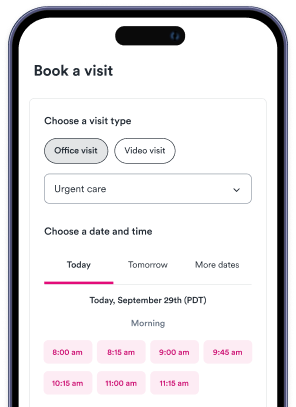
If your sore throat is lingering or getting worse, it could be more than just a cold. Use Solv to book a same-day urgent care visit near you for fast strep testing, quick answers, and the relief you need to start feeling better.
Frequently asked questions
Can strep throat occur without a fever?
Yes, it's possible to have strep throat without a fever. While fever is a common symptom of strep throat, it's not a guarantee, especially in adults or people with milder infections.
What are the signs of strep throat?
Signs of strep throat include a sore throat that comes on suddenly and feels more intense than a typical cold, pain when swallowing, white patches or streaks of pus on your tonsils, and swollen lymph nodes in your neck. Some people may also experience a headache, mild body aches, or even nausea and stomach pain, which tend to show up more often in children.
How can I differentiate between a viral sore throat and strep throat?
Viral sore throats often come with cold-like symptoms such as a runny nose, cough, hoarseness, or nasal congestion, things you won’t typically see with strep. Strep throat tends to hit suddenly and hard, with a sore throat that feels intense, no cough, and visible changes in your throat like redness, swelling, or white patches. However, symptoms can overlap, so the only way to know for sure is to get tested.
When should I seek medical attention for a sore throat?
If your sore throat persists for two or three days, or your symptoms are getting worse instead of better, it might be time to visit urgent care. You should also seek medical attention if you’re having trouble swallowing, feel like your throat is closing up, or notice visibly swollen glands or redness in the back of your throat.
What happens during an urgent care visit for a sore throat?
During an urgent care visit for a sore throat, the provider will usually start with a rapid strep test, which involves a quick swab of your throat and gives results in about 10 to 15 minutes. If the rapid test is negative but your symptoms still suggest strep, they might send a throat culture to the lab for a more accurate result, which takes a day or two. If your test comes back positive, you’ll likely be prescribed antibiotics to clear the infection.

Dr. Linda Halbrook is a Board-Certified Family Medicine physician with over 40 years of experience, dedicated to providing comprehensive care to patients across Texas. She retired from practice but currently serves on the Clinical Services Committee of CommonGood Medical, a non-profit organization serving the uninsured in Collin County.
How we reviewed this article
Medically reviewed
View this article's sources and history, and read more about Solv's Content Mission Statement, editorial process, and editorial team.
1 source
Solv has strict sourcing guidelines and relies on peer-reviewed studies, academic research institutions, and medical associations. We avoid using tertiary references.
- Strep Throat. (July 10, 2025)
Solv’s team of medical writers and experts review and update our articles when new information becomes available.
January 28 2026
Written by Solv Editorial Team
Medically reviewed by: Dr. Rob Rohatsch, MD
May 06 2026
Edited by Solv Editorial Team
May 23 2026
Edited by Solv Editorial Team
May 27 2026
Edited by Solv Editorial Team
June 03 2026
Edited by Solv Editorial Team