Urgent care near me
 Key points
- Most leg cramps are caused by muscle fatigue, dehydration, or nerve overactivity, not a serious medical problem.
- Stretching the affected muscle, gentle massage, and applying heat or ice usually relieve a cramp within minutes.
- Persistent, frequent, or one-sided leg cramps with swelling, color changes, or numbness can signal peripheral artery disease, blood clots, or nerve disorders.
- Hydration, regular stretching, and reviewing medications with a clinician can prevent most recurrent leg cramps.
- See a doctor if cramps disrupt sleep, last longer than 10 minutes, or come with leg swelling, redness, or weakness.
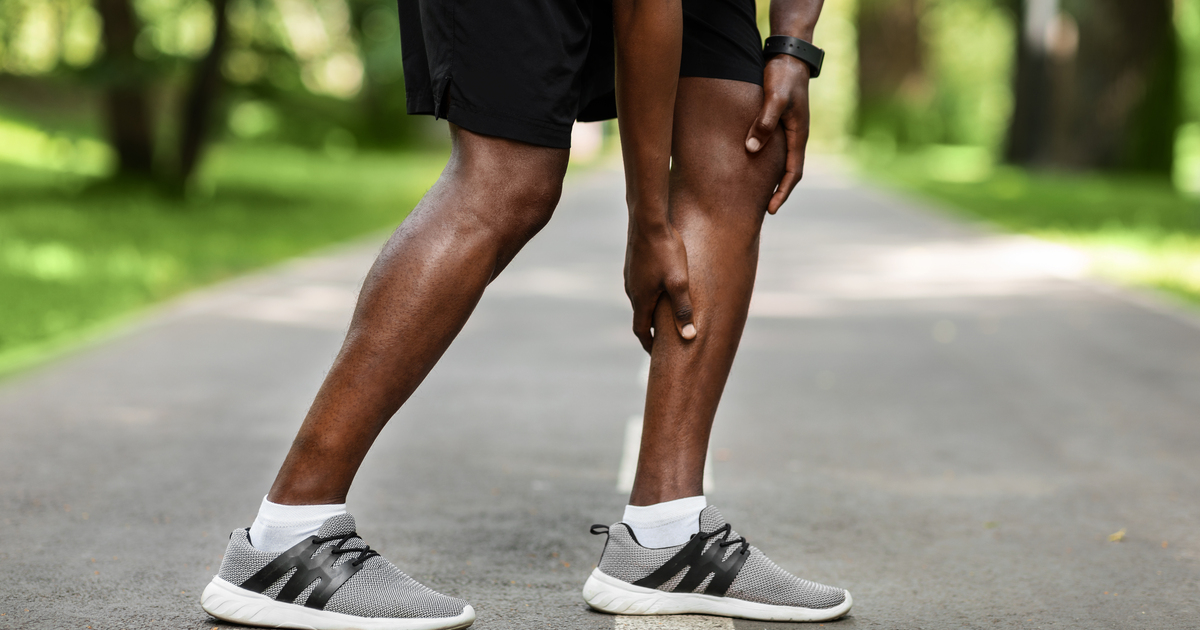
Most leg cramps are harmless and pass within minutes, but in some cases they signal a more serious problem like peripheral artery disease, a blood clot, or a nerve disorder. Learning what triggers your cramps, how to relieve one fast, and the warning signs that warrant medical evaluation can help you decide whether to manage them at home or see a clinician.1,2
What causes leg cramps?
A leg cramp is a sudden, involuntary contraction of one or more muscles, usually in the calf, foot, or thigh. Common contributors include:1,2,3
- Muscle fatigue from prolonged or unusual exercise
- Dehydration and electrolyte imbalances (low potassium, magnesium, or sodium)
- Long periods of sitting, standing, or working on hard surfaces
- Pregnancy, especially in the second and third trimesters
- Medications such as diuretics, statins, and beta-agonists
- Underlying medical conditions including peripheral artery disease, peripheral neuropathy, kidney disease, and thyroid disorders
Most nighttime leg cramps in healthy adults are idiopathic — meaning no specific cause is found.3
How do you stop a leg cramp fast?
When a cramp strikes, these steps usually bring relief within seconds to minutes:1,4
- Stretch the muscle. For a calf cramp, straighten your leg and pull your toes up toward your shin. For a hamstring cramp, sit and reach toward your toes.
- Massage the area. Gentle kneading or rolling helps the muscle relax.
- Walk it off. Standing and walking around encourages blood flow and can break the spasm.
- Apply heat or ice. Heat (heating pad, warm towel) relaxes a tight muscle; ice can dull lingering soreness.
- Hydrate. Drink water or a balanced electrolyte beverage if dehydration is a likely trigger.
How can you prevent recurrent leg cramps?
Prevention focuses on the everyday habits that load and unload your muscles:1,2,3
- Stretch your calves and hamstrings before bed and after exercise
- Stay well hydrated, especially in hot weather and during workouts
- Eat foods rich in potassium, magnesium, and calcium (leafy greens, bananas, beans, dairy)
- Limit alcohol and excessive caffeine, which can worsen dehydration
- Wear supportive shoes and avoid standing on hard surfaces for long periods
- Review medications and supplements with your clinician if cramps started after a new prescription
When should you worry about leg cramps?
See a clinician — or visit urgent care the same day — if any of the following apply:1,2,5
- Cramps last longer than 10 minutes or recur multiple times a day
- Pain is severe enough to disrupt sleep or daily activities
- One leg looks swollen, red, warm, or has a visible cord-like vein (possible blood clot)
- Cramping happens predictably when you walk and improves with rest (possible peripheral artery disease)
- You also have numbness, tingling, weakness, or loss of bowel or bladder control
- Cramps started after a new medication, surgery, or long flight
- You have diabetes, kidney disease, or known cardiovascular disease
When are leg cramps a medical emergency?
Go to the emergency department or call 911 if you have:5
- Sudden, severe leg pain with swelling, especially in one leg (suspected deep vein thrombosis)
- Cold, pale, or bluish skin on the affected leg with loss of pulse (suspected acute limb ischemia)
- Cramping with chest pain, shortness of breath, or coughing up blood
- Inability to move or feel the leg, or sudden weakness on one side of the body
Can urgent care help with leg cramps?
Yes. Urgent care is a good fit when cramps are new, frequent, or unusually painful but not life-threatening. A clinician can examine your leg for swelling and pulses, check for signs of dehydration, run basic blood work for electrolytes and kidney function, and refer you for vascular imaging if peripheral artery disease or a clot is suspected. They can also review your medications and recommend stretches or physical therapy.
Next steps
If low magnesium is suspected as the cause of your cramps, your provider may order a magnesium blood test to check your levels and guide treatment.
If your leg cramps are interrupting sleep, getting more frequent, or come with swelling or color changes, get evaluated. Find a same-day urgent care visit on Solv to be seen quickly, or call 911 if symptoms are severe.
Frequently asked questions
Are leg cramps a sign of low potassium or magnesium?
Sometimes. Low potassium, magnesium, calcium, or sodium can trigger cramps, especially after heavy sweating, vomiting, or diuretic use. But for most healthy adults with occasional nighttime cramps, electrolyte levels are normal. A simple blood test can confirm whether a deficiency is contributing if cramps are frequent.
Should I take quinine for leg cramps?
No. The U.S. Food and Drug Administration warns against using quinine for leg cramps because of serious side effects including heart rhythm problems and severe bleeding. Quinine is only approved for treating malaria. Talk to your clinician about safer options if cramps are severe.
Can dehydration alone cause leg cramps?
Dehydration can contribute to cramps, especially during exercise in hot weather, but it is usually one of several factors. People who are dehydrated also tend to have electrolyte imbalances and muscle fatigue at the same time. Drinking water consistently throughout the day is a reasonable first step before more aggressive interventions.
Why do I get leg cramps during pregnancy?
Leg cramps affect up to half of pregnant people, most often in the second and third trimesters. The cause is multifactorial — added weight, fluid shifts, vascular changes, and possible mineral deficits. Stretching, hydration, and prenatal vitamins usually help. Tell your obstetric clinician if cramps are severe, one-sided, or come with swelling.
Are leg cramps related to restless legs syndrome?
They are different conditions but can be confused. Leg cramps are painful, sudden muscle contractions. Restless legs syndrome is an uncomfortable urge to move the legs, often described as crawling or tingling, that improves with movement. If your symptoms feel like the urge to move rather than a tight, painful muscle, ask your clinician about RLS.
Can certain medications cause leg cramps?
Yes. Statins, diuretics (especially loop and thiazide types), beta-agonists used for asthma or COPD, and some blood pressure medications are linked to leg cramps. If cramps started shortly after starting a new medication, do not stop it on your own — bring it up at your next visit so your clinician can adjust the regimen if appropriate.

How we reviewed this article
Medically reviewed
View this article's sources and history, and read more about Solv's Content Mission Statement, editorial process, and editorial team.
6 sources
Solv has strict sourcing guidelines and relies on peer-reviewed studies, academic research institutions, and medical associations. We avoid using tertiary references.
- Cleveland Clinic. "Leg Cramps at Night: Causes, Pain Relief & Prevention."
- Mayo Clinic. "Muscle cramp — Symptoms and causes."
- American Academy of Family Physicians. "Nocturnal Leg Cramps."
- Mayo Clinic. "Muscle cramp — Diagnosis and treatment."
- NCBI Bookshelf . "Muscle Cramps." (StatPearls)
- American Heart Association. "Symptoms of PAD."
Solv’s team of medical writers and experts review and update our articles when new information becomes available.
July 08 2024
Written by Solv Editorial Team
Medically reviewed by: Dr. Rob Rohatsch, MD
May 01 2026
Edited by Solv Editorial Team
May 02 2026
Edited by Solv Editorial Team
May 04 2026
Edited by Solv Editorial Team
May 06 2026
Edited by Solv Editorial Team
May 23 2026
Edited by Solv Editorial Team
June 03 2026
Edited by Solv Editorial Team