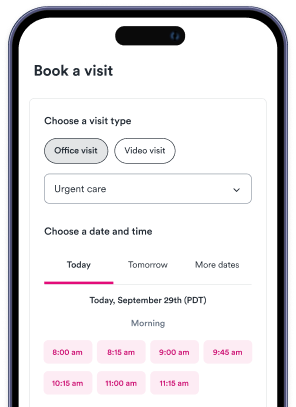
Urgent care near me
On-demand lab testing
Ensure your health. Get tested today.
Convenient lab testing at your fingertips at more than 5,000 locations nationally. Consult with a doctor, or get tested on your own.

A magnesium blood test measures the amount of magnesium in your bloodstream. It's a routine test ordered as part of a comprehensive metabolic panel, or on its own when a provider suspects a magnesium imbalance. Understanding what your results mean — and what symptoms may indicate a problem — can help you take action before deficiency or excess causes serious complications.
Magnesium is sometimes checked alongside a basic metabolic panel (BMP), particularly when a provider suspects electrolyte imbalance or kidney dysfunction.
If you need a magnesium test and want same-day results, getting blood work done at urgent care covers what to expect, including turnaround times and how to get your results explained.
Magnesium is an essential mineral involved in more than 300 biochemical reactions in the body. It plays a critical role in muscle and nerve function, blood glucose regulation, blood pressure, protein synthesis, and bone development. About 60% of the body's magnesium is stored in bone; the rest is found in muscle, soft tissue, and blood.2
Because magnesium is so broadly important, an imbalance — too little or too much — can affect multiple organ systems at once.
The standard serum magnesium test measures the amount of magnesium circulating in the liquid portion of the blood (serum). Normal serum magnesium levels in adults typically fall between 1.7 and 2.3 mg/dL (0.7–0.95 mmol/L), though reference ranges vary slightly between labs.1
Note: serum magnesium reflects only about 1% of total body magnesium. A normal serum level doesn't always rule out tissue deficiency, which is why some providers also consider symptoms alongside test results.3
Hypomagnesemia — serum magnesium below 1.7 mg/dL — is the most common magnesium abnormality in hospitalized patients. Symptoms may include:
Common causes of low magnesium include chronic diarrhea or malabsorption, heavy alcohol use, poorly controlled diabetes, certain diuretics and medications, and inadequate dietary intake. Older adults are particularly at risk because magnesium absorption decreases with age.3
Hypermagnesemia — elevated serum magnesium — is less common and usually related to kidney disease (impaired excretion) or excessive use of magnesium-containing supplements, laxatives, or antacids. Mild elevation may cause no symptoms. Severe cases can cause low blood pressure, nausea, muscle weakness, and, at very high levels, cardiac arrest.
A provider may order a magnesium blood test to evaluate unexplained muscle cramps, fatigue, or heart arrhythmias; to monitor patients with kidney disease, diabetes, or malabsorption disorders; or when other electrolytes (calcium, potassium) are abnormal, since magnesium is closely interrelated with both.
Low magnesium is one of the more common but overlooked causes of muscle cramps. If cramping is what prompted you to get tested, our guide on when to worry about leg cramps covers other causes and red flags to watch for.
If you're experiencing muscle cramps, weakness, heart palpitations, or numbness and haven't had recent bloodwork, visit an urgent care clinic for same-day lab testing. Many urgent care centers can run a comprehensive metabolic panel including magnesium on-site and provide results within an hour. Use Solv to find urgent care near you that offers lab testing.
A magnesium blood test measures the amount of magnesium in your blood serum. It's used to detect magnesium deficiency (hypomagnesemia) or excess (hypermagnesemia), which can affect muscle function, nerve signaling, heart rhythm, and bone health.
Normal serum magnesium in adults is typically 1.7–2.3 mg/dL (0.7–0.95 mmol/L), though reference ranges vary slightly by laboratory. Results outside this range should be reviewed with a healthcare provider.
Symptoms of magnesium deficiency include muscle cramps or spasms, tremors, fatigue, heart palpitations or irregular heartbeat, numbness or tingling, and poor sleep. These symptoms overlap with many conditions, so a blood test is needed to confirm.
Yes. Many urgent care centers offer on-site lab testing including comprehensive metabolic panels, which often include magnesium. Results are typically available within an hour.
Common causes include chronic diarrhea or malabsorption, heavy alcohol use, poorly controlled diabetes, certain medications (especially diuretics and proton pump inhibitors), and inadequate dietary intake. Older adults are at higher risk.
Most healthy adults can meet their magnesium needs through diet by eating leafy greens, nuts, seeds, whole grains, beans, and dark chocolate. Supplements are generally only needed when intake is low, when there is increased loss from medications or GI conditions, or when a clinician recommends them based on your test results.
Convenient lab testing at your fingertips at more than 5,000 locations nationally. Consult with a doctor, or get tested on your own.

Medically reviewed
View this article's sources and history, and read more about Solv's Content Mission Statement, editorial process, and editorial team.
Solv has strict sourcing guidelines and relies on peer-reviewed studies, academic research institutions, and medical associations. We avoid using tertiary references.
Solv’s team of medical writers and experts review and update our articles when new information becomes available.
Written by Solv Editorial Team
Medically reviewed by: Dr. Rob Rohatsch, MD
Edited by Solv Editorial Team
Edited by Solv Editorial Team
Edited by Solv Editorial Team
Edited by Solv Editorial Team
Edited by Solv Editorial Team
Edited by Solv Editorial Team
Edited by Solv Editorial Team
Convenient lab testing at your fingertips at more than 5,000 locations nationally. Consult with a doctor, or get tested on your own.