Mental health concerns don't keep regular hours, and waiting weeks for a therapy appointment is rarely an option when you're struggling now. Urgent care can be a useful intermediate step for some mental health needs — but it's not the right setting for every situation. Knowing where to go for what you're experiencing makes a meaningful difference in how quickly you get the right help.
What urgent care can help with
General urgent care clinics can usually handle:
- Mild to moderate anxiety — including situational anxiety, panic attacks, and acute stress responses.
- Insomnia or sleep issues — short-term assessment and treatment.
- Medication bridges — a prescription refill if you're between psychiatrists or running out of medication unexpectedly.
- Initial mental health screening — depression and anxiety screening with a referral for ongoing care.
- Symptoms that overlap with physical illness — fatigue, chest pain, headache, or GI symptoms that may have a mental health component.
When you arrive, the provider will take a history, do a basic physical exam if symptoms are physical, screen for safety concerns, and either treat what they can or refer you to ongoing behavioral health care.
When NOT to use urgent care
For an active mental health crisis, urgent care is not the right level of care. Call 988 or 911 if you or someone else is experiencing:
- Thoughts of suicide or self-harm with intent or a plan
- Thoughts of harming someone else
- Active psychosis — hallucinations, delusions, or severe disorganization
- Severe mania or manic episode
- Suspected drug or alcohol overdose
- Severe withdrawal symptoms (alcohol or benzodiazepines especially can be life-threatening)
988 Suicide & Crisis Lifeline
The 988 Suicide & Crisis Lifeline is free, confidential, and available 24/7 by call, text, or chat for anyone in the U.S. experiencing a mental health, substance use, or emotional crisis.1 Trained counselors will stay with you, help de-escalate, and connect you to local resources — including mobile crisis teams, behavioral health urgent care, and outpatient providers.2
988 also accepts calls from people worried about someone else. The line is available regardless of insurance status, and most callers are not transferred to law enforcement — counselors aim to resolve crises without escalation whenever possible.3
Behavioral health urgent care centers
A growing number of cities have behavioral health urgent care centers — walk-in clinics specifically designed for psychiatric and substance-use needs. They typically offer:
- Same-day psychiatric assessment by a psychiatrist or psychiatric nurse practitioner
- Crisis counseling and stabilization
- Medication management and bridge prescriptions
- Substance use evaluation and warm handoff to treatment programs
- Connection to outpatient therapy and longer-term psychiatric care
Behavioral health urgent care exists to keep crises out of the ER and reduce inpatient psychiatric admissions, which research suggests it does effectively when access is available.4,5 Your local 988 line, your insurer's behavioral health portal, or a search on Solv can help you locate one.
How to decide where to go
- 988 (call/text/chat) — start here for any acute mental health distress, ambivalence about safety, or if you're not sure what level of care you need. The counselor can help you decide.
- 911 or the ER — for active suicidal or homicidal intent, severe self-harm, suspected overdose, or any situation where you cannot keep yourself or someone else safe.
- Behavioral health urgent care — when you need same-day psychiatric assessment, medication review, or crisis stabilization but you are not in immediate danger.
- General urgent care — for mild-to-moderate symptoms, panic attacks, sleep issues, prescription bridges, or any mental health concern that may also have a physical component.
- Primary care or therapist — for ongoing treatment, longer-term medication management, and routine follow-up.
Insurance and cost
Federal mental health parity laws require ACA-compliant plans to cover mental health and substance use services at the same level as medical and surgical care. In practice that means a mental health visit at urgent care should have the same copay or coinsurance as a medical urgent care visit. Behavioral health urgent care typically follows the same cost structure. 988 is always free.
If cost is a concern, ask the clinic about cash-pay rates, sliding-scale fees, or charity care. Most behavioral health urgent care centers accept Medicaid and offer reduced rates for the uninsured.
Next steps: getting connected
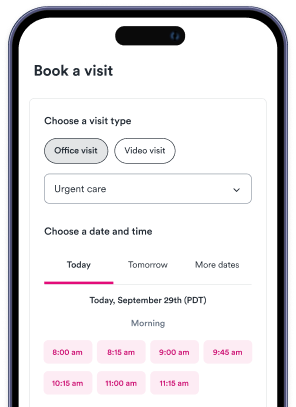
If you're not in crisis but need to be seen, search Solv for urgent care or behavioral health urgent care near you and book a same-day visit. If you're in crisis right now, please call, text, or chat 988 — or call 911 if you or someone else is in immediate danger.
This article is informational and does not replace medical advice. If you or someone you know is struggling, the 988 Suicide & Crisis Lifeline is available 24/7.
Frequently asked questions
What is the difference between urgent care and a behavioral health urgent care center?
A general urgent care can address some mental health concerns — situational anxiety, sleep issues, or a short-term medication bridge — but it isn't staffed for crisis psychiatric assessment. Behavioral health urgent care centers are specifically designed for walk-in psychiatric care, with on-site psychiatrists or psychiatric nurse practitioners, crisis counselors, and direct connections to outpatient services. Both 988 and your insurance member portal can help you find one near you.
When should I call 988 instead of going to urgent care?
Call, text, or chat 988 if you are thinking about suicide, are in a mental health crisis, are worried about someone else, or just need to talk with a trained counselor. 988 is free, confidential, and 24/7. The counselor can stay with you on the line, help de-escalate, and connect you to local crisis services or outpatient care if needed.
Can urgent care prescribe psychiatric medications?
Urgent care can prescribe short-term anxiety medications, sleep aids, or refills of your existing prescriptions while you connect with a longer-term provider. They typically don't start long-term psychiatric medications — that should be done with a primary care physician, psychiatrist, or behavioral health specialist who can monitor you over time.
What happens if I go to the ER for a mental health crisis?
Hospital ERs can stabilize medical and psychiatric emergencies, perform safety assessments, and arrange involuntary holds if necessary. ER wait times for psychiatric care can be long, and many areas now route mental health crises to mobile crisis teams or behavioral health urgent care centers when safe — both options that 988 can help arrange.
How much does mental health urgent care cost?
Most ACA-compliant plans cover mental health and substance use services at the same level as medical care due to mental health parity laws. Cost varies by plan — copay, coinsurance, and deductible all apply. 988 is free. Behavioral health urgent care typically charges similarly to medical urgent care; many also offer sliding-scale or charity care for the uninsured.
Should I go to urgent care for a panic attack?
Yes, urgent care is appropriate. Panic attacks can be terrifying and the symptoms — chest tightness, shortness of breath, racing heart — can mimic cardiac issues. An urgent care provider can evaluate you, rule out a heart cause, and help you manage the immediate symptoms. They can also discuss next steps for follow-up care or referral to a therapist or psychiatrist.
 Urgent care near me