Urgent care near me
 Key points
- Norovirus, often mistaken for the flu, is highly contagious and spreads easily through close contact, contaminated surfaces, and infected food handlers.
- Early symptoms include sudden vomiting, diarrhea, stomach cramps, and sometimes fever or body aches, appearing 12 to 48 hours after exposure.
- Preventative measures include frequent hand washing with soap and water, disinfecting surfaces, and isolating sick individuals for at least 48 hours after symptoms subside.
- If infected, staying hydrated and resting are crucial. Seek medical help for signs of dehydration, severe symptoms, or if symptoms persist beyond three days.
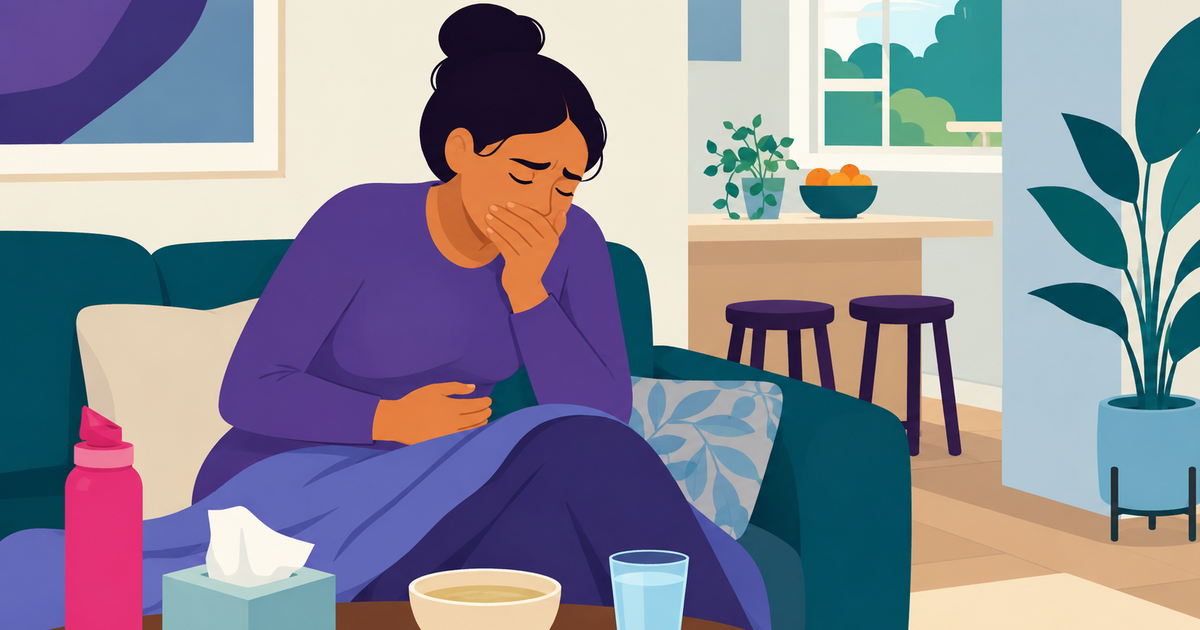
Norovirus, sometimes known as the “stomach flu” (even though it’s not actually the flu), is making a strong comeback this season, and it spreads faster than you might think. It’s one of the most common causes of stomach bugs, and it only takes a tiny amount of the virus to make someone sick. With symptoms like vomiting, diarrhea, and stomach cramps, it can hit hard and suddenly, often spreading through schools, daycares, cruise ships, and even your own kitchen. The best defense is being prepared: knowing how to prevent the virus, spotting the signs early, and taking care of yourself or your loved ones if it strikes. Whether you're trying to avoid getting sick or figuring out what to do if it happens, a little preparation can go a long way in keeping your household healthy.
What is norovirus and why is it spreading now?
Norovirus is a highly contagious virus that causes sudden bouts of vomiting, diarrhea, stomach cramps, and sometimes fever or body aches. It spreads incredibly easily; you can catch it from close contact with someone who’s sick, touching contaminated surfaces, or eating food prepared by someone infected. Currently, cases are rising because it's the time of year when people spend more time indoors and in close quarters, particularly in settings such as schools, offices, and public events. Since the virus can live on surfaces for days and only requires a small amount to infect someone, outbreaks can occur rapidly.
Early symptoms of norovirus
Norovirus tends to hit fast and hard, so knowing the early symptoms can help you catch it before it spreads. The most common signs include sudden vomiting, watery diarrhea, nausea, and stomach cramps, all of which can come on with little warning. Some people also experience low-grade fever, chills, fatigue, or a headache, which can make it feel even more like a bad flu. Symptoms typically appear 12 to 48 hours after exposure and usually last for one to three days, although you may feel fatigued for a bit longer. Because norovirus is highly contagious, recognizing these signs early can help you take prompt action to prevent spreading it to others.
How to prepare before it hits your home or school
Norovirus can spread through a household or classroom in no time, so a little preparation goes a long way:
- Start by stocking up on essentials like oral rehydration solutions (like Pedialyte or electrolyte drinks), disinfectant wipes, gloves, extra trash bags, and plenty of hand soap.
- While hand sanitizer is convenient, it doesn’t work well against norovirus; scrubbing with soap and water is much more effective at removing the virus from your hands.
- Teaching children (and reminding adults) to wash thoroughly and frequently is one of the most effective ways to prevent an outbreak.
- If someone does get sick, keeping them home and isolated is key. They should stay home for at least 48 hours after their symptoms subside, as they can still be contagious even after they feel better.
What to do if you or your child gets norovirus
If you or your child comes down with norovirus, the most important thing you can do is stay hydrated. Vomiting and diarrhea can cause quick fluid loss, so offer small sips of water, electrolyte drinks, or warm broth frequently, even if it’s just a little at a time.
Rest is key, too; most people start feeling better within 1 to 3 days, but it’s important to monitor symptoms and take it easy. Once the worst has passed, gently reintroduce yourself to eating with bland, easy-to-digest foods like crackers, rice, toast, or applesauce.
Don’t forget to clean up; norovirus can live on surfaces for days, so disinfect toilets, sinks, and any items you or your child has touched frequently to help prevent it from spreading to others.
When to go to urgent care for norovirus
Most cases of norovirus resolve at home with rest and hydration, but there are times when it’s essential to consult a medical provider:
- If you or your child shows signs of dehydration, like a dry mouth, dizziness, very dark urine, or few to no wet diapers in infants, it’s time to visit urgent care.
- You should also seek help if vomiting or diarrhea lasts longer than three days, worsens suddenly, or becomes so severe that it’s hard to keep any fluids down.
- A high fever or intense stomach pain is another red flag, especially in young children, older adults, or anyone with a weakened immune system.
- Urgent care can help assess symptoms, provide fluids if needed, and rule out more serious concerns, so you can focus on getting better with peace of mind.
How to prevent the spread
Preventing the spread of norovirus takes a little extra care, but it can make a big difference, especially in households, schools, or shared spaces:
- The number one thing you can do is wash your hands thoroughly with soap and water, especially after using the bathroom or changing diapers.
- Hand sanitizer isn’t enough to kill norovirus, so old-fashioned scrubbing is your best defense.
- When cleaning up after someone who’s sick, make sure to use bleach-based disinfectants on surfaces like countertops, toilets, and door handles, since the virus can linger for days.
- If you’ve been sick, it’s really important to avoid preparing or serving food for at least two to three days after your symptoms have stopped.
Even if you feel better, you can still pass the virus to others, so giving yourself a little extra time before jumping back into shared meals is a simple way to keep everyone safer.
Not feeling better? Visit urgent care to rule out dehydration or other infections
If your symptoms aren’t improving or seem to be getting worse, it’s time to check in with a healthcare provider. Use Solv to quickly find and book an appointment at a nearby urgent care clinic to make sure dehydration or another infection isn’t to blame.
Frequently asked questions
What is norovirus and how does it spread?
Norovirus is a highly contagious virus that causes symptoms like vomiting, diarrhea, stomach cramps, and sometimes fever or body aches. It spreads easily through close contact with an infected person, touching contaminated surfaces, or consuming food prepared by someone infected. The virus can live on surfaces for days and requires only a small amount to infect someone, leading to rapid outbreaks.
What are the early symptoms of norovirus?
Early symptoms of norovirus include sudden vomiting, watery diarrhea, nausea, and stomach cramps. Some people may also experience low-grade fever, chills, fatigue, or a headache. Symptoms typically appear 12 to 48 hours after exposure and usually last for one to three days.
How can I prepare for a potential norovirus outbreak at home or school?
Preparation for a potential norovirus outbreak includes stocking up on essentials like oral rehydration solutions, disinfectant wipes, gloves, extra trash bags, and hand soap. Hand sanitizer is not as effective against norovirus as scrubbing with soap and water. Teaching children and adults to wash hands thoroughly and frequently is crucial. If someone gets sick, they should stay home and isolated for at least 48 hours after their symptoms subside to prevent further spread.
What should I do if I or my child contracts norovirus?
If you or your child contracts norovirus, the most important thing is to stay hydrated due to the fluid loss from vomiting and diarrhea. Rest is also key. Once the worst has passed, slowly reintroduce bland, easy-to-digest foods. It's also important to disinfect toilets, sinks, and frequently touched items to prevent the virus from spreading.
When should I seek medical attention for norovirus symptoms?
You should seek medical attention if you or your child shows signs of dehydration like a dry mouth, dizziness, very dark urine, or few to no wet diapers in infants. Other reasons to seek medical help include vomiting or diarrhea lasting longer than three days, sudden worsening of symptoms, inability to keep any fluids down, a high fever, or intense stomach pain. Urgent care can assess symptoms, provide fluids if needed, and rule out more serious concerns.

Dr. Linda Halbrook is a Board-Certified Family Medicine physician with over 40 years of experience, dedicated to providing comprehensive care to patients across Texas. She retired from practice but currently serves on the Clinical Services Committee of CommonGood Medical, a non-profit organization serving the uninsured in Collin County.
How we reviewed this article
Medically reviewed
View this article's sources and history, and read more about Solv's Content Mission Statement, editorial process, and editorial team.
4 sources
Solv has strict sourcing guidelines and relies on peer-reviewed studies, academic research institutions, and medical associations. We avoid using tertiary references.
- Norovirus. (July 8, 2025)
- Norovirus. (July 8, 2025)
- How Norovirus Spreads. (July 8, 2025)
- Norovirus. (July 8, 2025)
Solv’s team of medical writers and experts review and update our articles when new information becomes available.
January 21 2026
Written by Solv Editorial Team
Medically reviewed by: Dr. Rob Rohatsch, MD
May 06 2026
Edited by Solv Editorial Team
May 23 2026
Edited by Solv Editorial Team
May 27 2026
Edited by Solv Editorial Team
June 03 2026
Edited by Solv Editorial Team