Urgent care near me
 Key points
- Most eye twitching is benign myokymia — involuntary eyelid spasms triggered by fatigue, stress, caffeine, or eye strain.
- The most effective remedies are sleep, reduced caffeine, lubricating eye drops, warm compresses, and screen breaks.
- Dry eye is a common but overlooked contributor — artificial tears can help resolve twitching caused by irritation.
- See a doctor if twitching lasts more than a few weeks, spreads to your face, or causes your eyelid to close involuntarily.
- Rare causes include blepharospasm, Bell's palsy, and neurological conditions — persistent or unusual twitching warrants evaluation.
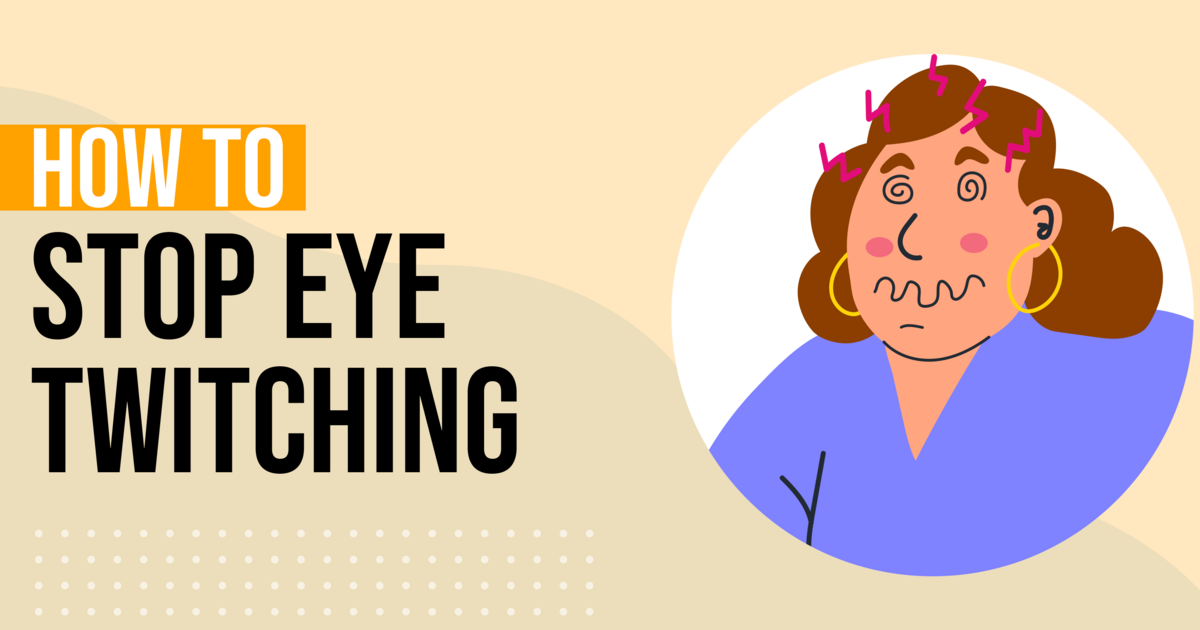
An eye twitch — that brief, involuntary spasm of your eyelid — is almost always harmless and goes away on its own. But when twitching becomes frequent or won't stop for days, it can be distracting, uncomfortable, and sometimes a sign of an underlying issue worth addressing. Understanding what causes eye twitching and how to stop it can help you find relief faster.
What causes eye twitching?
Most eye twitching is a benign condition called myokymia — an involuntary rippling of the eyelid muscle. Common triggers include:
- Fatigue and poor sleep. One of the most frequent causes. Your muscles, including those around the eyes, are more prone to spasms when you're overtired.
- Stress. Tension and anxiety can cause muscle twitching throughout the body, including the eyelid.
- Caffeine and alcohol. Both can increase muscle excitability. Cutting back often resolves mild, recurring twitches.
- Eye strain. Prolonged screen time, reading in poor light, or uncorrected vision problems put continuous demand on the muscles around your eyes.
- Dry eyes. Dehydration or insufficient tear production can irritate the eye and trigger lid spasms. Dry eye is common in people who stare at screens for long periods.
- Nutritional deficiencies. Low magnesium may contribute to muscle spasms in some people, including eye twitches.1
Home remedies to stop eye twitching
Most twitches resolve on their own within a few days once the trigger is addressed. These approaches can help:
- Rest more. Getting adequate sleep is the single most effective intervention for fatigue-related twitching.
- Reduce caffeine. Try cutting back on coffee, energy drinks, or tea for a week to see if the twitching improves.
- Use lubricating eye drops. Over-the-counter artificial tears can relieve dry eye irritation that contributes to spasms.
- Apply a warm compress. A warm, damp cloth held against the closed eye for a few minutes can relax the eyelid muscle and provide temporary relief.
- Take screen breaks. Follow the 20-20-20 rule: every 20 minutes, look at something 20 feet away for 20 seconds to reduce eye strain.
- Manage stress. Light exercise, meditation, or even a short walk can reduce muscle tension throughout the body.
When is eye twitching more serious?
Occasionally, persistent eye twitching can indicate a more significant condition. See a doctor if:
- The twitching lasts more than a few weeks
- Your eyelid closes completely or is difficult to open (this may indicate blepharospasm, a form of focal dystonia)
- The twitching spreads to your face, jaw, or other muscles
- You notice vision changes, eye redness, or eye swelling alongside the twitching
- The upper eyelid droops
Rare but serious causes include Bell's palsy, multiple sclerosis, Tourette syndrome, or side effects from certain medications. A healthcare provider can evaluate whether further testing is needed.2
When to visit urgent care
If the twitch is accompanied by redness, discharge, or light sensitivity, you may be dealing with more than muscle fatigue. Learn when urgent care for pink eye is the right call.
If your eye twitching persists beyond two to three weeks, or if you develop additional symptoms like vision changes, facial weakness, or difficulty opening your eye, visit an urgent care clinic for same-day evaluation. A provider can rule out neurological causes and recommend treatment — including referral to a neurologist or ophthalmologist if blepharospasm is suspected.
Frequently asked questions
Why does my eye keep twitching?
Most eye twitching is caused by fatigue, stress, too much caffeine, or dry eyes. The muscle around the eyelid (orbicularis oculi) is especially sensitive to these triggers. Most cases resolve on their own within a few days.
How do I make my eye stop twitching?
Try getting more sleep, cutting back on caffeine, using lubricating eye drops, applying a warm compress to the closed eye, and reducing screen time. These address the most common triggers and usually resolve the spasm within a few days.
Can caffeine cause eye twitching?
Yes. Caffeine stimulates the nervous system and increases muscle excitability. If you're experiencing frequent eye twitches, reducing your daily caffeine intake is one of the first things to try.
When is eye twitching serious?
See a doctor if twitching lasts more than a few weeks, your eyelid closes completely and is hard to open, the twitching spreads to your face or jaw, or you develop vision changes alongside the spasm. These can be signs of blepharospasm or a neurological condition.
What is blepharospasm?
Blepharospasm is a neurological condition that causes forceful, involuntary closure of both eyelids. It is different from common eye twitching, more disruptive, and often treated with botulinum toxin injections or medication under the care of a neurologist.
Will Botox actually stop chronic eye twitching?
For benign essential blepharospasm and hemifacial spasm, botulinum toxin injections are the first-line treatment and provide substantial relief for most patients. Effects typically last 3 to 4 months, after which the injections need to be repeated. The procedure is performed by an ophthalmologist or neurologist.

How we reviewed this article
Medically reviewed
View this article's sources and history, and read more about Solv's Content Mission Statement, editorial process, and editorial team.
5 sources
Solv has strict sourcing guidelines and relies on peer-reviewed studies, academic research institutions, and medical associations. We avoid using tertiary references.
- National Eye Institute. Blepharospasm. (June 2023)
- MedlinePlus. Eyelid twitching. (May 2022)
- MedlinePlus. Blepharospasm. (May 2022)
- American Academy of Ophthalmology. Twitching Eyelid. (March 2024)
- StatPearls. Eyelid Twitching. (January 2024)
Solv’s team of medical writers and experts review and update our articles when new information becomes available.
January 03 2024
Written by Solv Editorial Team
Medically reviewed by: Dr. Rob Rohatsch, MD
April 28 2026
Edited by Solv Editorial Team
May 01 2026
Edited by Solv Editorial Team
May 03 2026
Edited by Solv Editorial Team
May 04 2026
Edited by Solv Editorial Team
May 06 2026
Edited by Solv Editorial Team
May 23 2026
Edited by Solv Editorial Team
June 03 2026
Edited by Solv Editorial Team