Urgent care near me
 Key points
- Oral herpes is caused by herpes simplex virus type 1 (HSV-1) and most often shows up as cold sores.
- By age 50, about two-thirds of adults under 50 have been exposed to HSV-1, but most have no symptoms.
- Prescription antivirals work best when started within 48 hours of an outbreak beginning.
- Triggers include stress, illness, sun exposure, hormonal changes, and a weakened immune system.
- See a doctor for severe or frequent outbreaks, eye involvement, or if you're pregnant or immunocompromised.
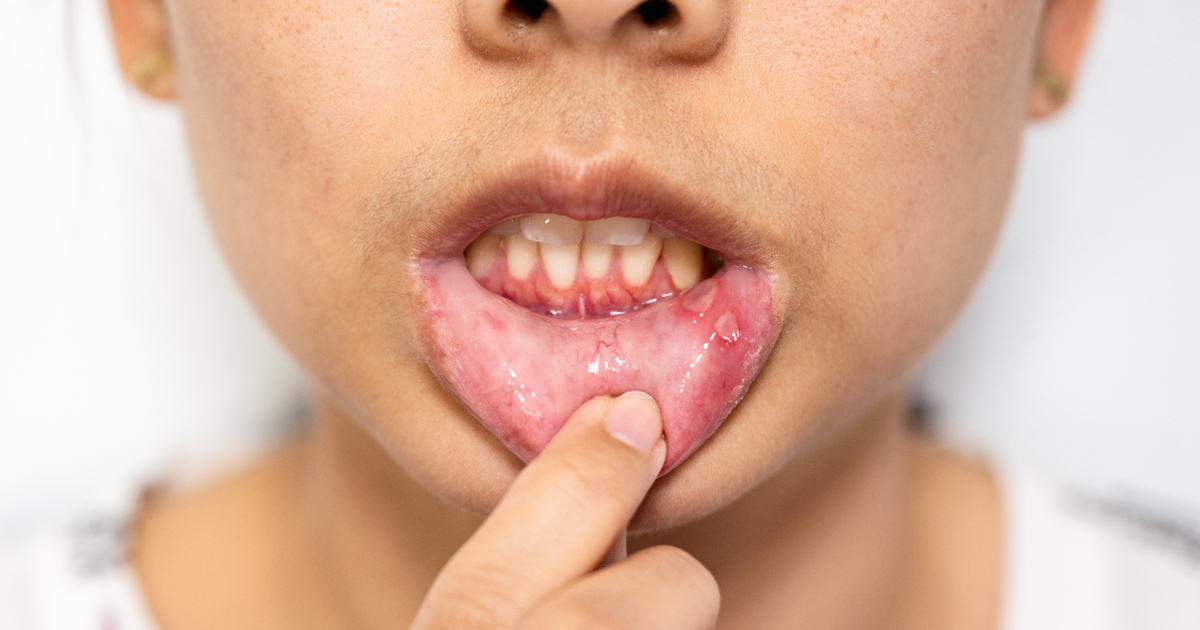
Oral herpes is a common infection caused by herpes simplex virus type 1 (HSV-1) and, less often, HSV-2. It typically shows up as a cold sore or fever blister on or near the lips, but it can also affect the gums, tongue, or roof of the mouth. Most people have no symptoms; when sores appear, prescription antivirals can shorten an outbreak.1,2
What causes oral herpes?
HSV-1 spreads through close contact with saliva or skin — kissing, sharing utensils or lip products, or contact during a flare. Most people acquire HSV-1 during childhood or young adulthood through non-sexual contact. The virus then stays in nerve cells for life and can reactivate periodically.1,2
What are the symptoms of an outbreak?
A first outbreak can include fever, sore throat, swollen lymph nodes, and painful sores in or around the mouth. Recurrent outbreaks are usually milder. Many people feel a tingle, itch, or burning at the site 24 hours before a blister appears (a prodrome). Blisters then form, break open, crust over, and heal within two to four weeks.2,3
What triggers a cold sore?
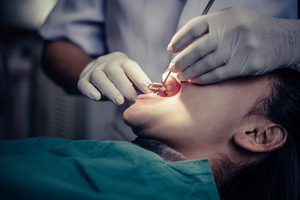
Common triggers include stress, fever or other illness, sun exposure to the lips, hormonal changes such as menstruation, dental work, fatigue, and a weakened immune system. Identifying personal triggers can help you anticipate and treat outbreaks early.4
How is oral herpes diagnosed?
A clinician can often diagnose a typical cold sore on appearance alone. If the diagnosis is uncertain — for example, with a first outbreak, atypical lesions, or symptoms inside the mouth — a swab of an open sore for PCR testing or viral culture is the most reliable test. Blood antibody tests can show past exposure but cannot pinpoint the location of infection.1
How is oral herpes treated?
Prescription oral antivirals — acyclovir, valacyclovir, and famciclovir — shorten outbreaks and reduce symptoms when started within 48 hours of the first sign.2,3 Topical antivirals like penciclovir and acyclovir creams help mild sores. Over-the-counter docosanol can shorten healing time when applied early. Pain can be managed with cool compresses, lip balm with sunscreen, and over-the-counter pain relievers.
What about frequent or severe outbreaks?
For people with six or more outbreaks per year, severe outbreaks, or significant disruption to daily life, providers may prescribe daily suppressive antiviral therapy. Suppressive therapy reduces both the frequency of outbreaks and the risk of transmitting the virus to others.3
When should I see a doctor?
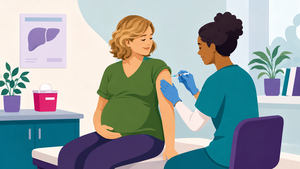
See a clinician promptly for a first outbreak, sores in or near the eyes, severe pain or trouble eating or drinking, signs of infection (spreading redness, pus, fever), outbreaks during pregnancy, or any outbreak in someone who is immunocompromised. Eye involvement (herpes keratitis) needs urgent ophthalmology evaluation to prevent vision loss.1,2
Can I prevent spreading oral herpes?
Avoid kissing, oral sex, and sharing utensils, lip products, or razors during an active outbreak. Wash your hands after touching a sore. Use sunscreen on your lips. Even between outbreaks, asymptomatic shedding can transmit the virus, so condoms and dental dams reduce — but don't eliminate — the risk during oral sex.1
Next steps
If you have a first outbreak, frequent flares, or are unsure whether what you're seeing is herpes, urgent care can evaluate and prescribe antivirals same-day. Find an urgent care near you on Solv.
Frequently asked questions
Is oral herpes contagious between outbreaks?
Yes. The virus can shed asymptomatically — meaning it can spread even when no sore is visible — though shedding is less frequent than during an active outbreak. Avoiding skin-to-skin contact during the prodrome and active phases lowers risk most.
Can I give myself genital herpes from a cold sore?
Yes — autoinoculation is uncommon but possible, especially during a first outbreak. Washing your hands after touching a sore reduces the risk. Once the immune system has produced antibodies, autoinoculation becomes rare.
Do cold sores ever leave permanent scars?
Most cold sores heal without scarring. Scarring is more likely if the sore was deep, became infected, or was picked at. Keeping the area moisturized and protected from sun helps.
Can I use makeup over an active cold sore?
Avoid applying makeup directly to an open sore — it can introduce bacteria and worsen healing, and makeup tools can spread the virus. Once the sore has fully scabbed over, gentle cover-up around (not on) the lesion is usually fine.
Do I need antiviral pills, or can I use just creams?
Topical antivirals help mild surface lesions but oral antivirals are more effective for moderate to severe outbreaks. Oral therapy is preferred for a first outbreak, frequent recurrences, or any outbreak in someone immunocompromised.
Is oral herpes covered by my insurance?
Office visits and prescription antivirals are usually covered, though copays vary. Generic acyclovir is inexpensive. Many urgent cares also offer transparent self-pay pricing for visits without insurance.

Dr. Linda Halbrook is a Board-Certified Family Medicine physician with over 40 years of experience, dedicated to providing comprehensive care to patients across Texas. She retired from practice but currently serves on the Clinical Services Committee of CommonGood Medical, a non-profit organization serving the uninsured in Collin County.
How we reviewed this article
Medically reviewed
View this article's sources and history, and read more about Solv's Content Mission Statement, editorial process, and editorial team.
5 sources
Solv has strict sourcing guidelines and relies on peer-reviewed studies, academic research institutions, and medical associations. We avoid using tertiary references.
- Centers for Disease Control and Prevention. About genital herpes . cdc.gov (includes HSV-1/HSV-2 information)
- Cleveland Clinic. Oral herpes: symptoms, causes & treatment. my.clevelandclinic.org
- Saleh D, Yarrarapu SNS, Sharma S. Herpes Simplex Type 1. StatPearls — NCBI Bookshelf. ncbi.nlm.nih.gov
- Mayo Clinic. Cold sore — symptoms and causes. mayoclinic.org
- Centers for Disease Control and Prevention. STI treatment guidelines — Herpes. cdc.gov
Solv’s team of medical writers and experts review and update our articles when new information becomes available.
March 13 2025
Written by Solv Editorial Team
Medically reviewed by: Dr. Rob Rohatsch, MD
May 08 2026
Edited by Solv Editorial Team
May 12 2026
Edited by Solv Editorial Team
May 23 2026
Edited by Solv Editorial Team