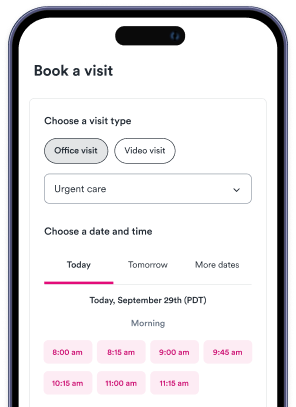
Urgent care near me
 Key points
- Children, particularly girls under the age of 7, can get urinary tract infections (UTIs) which can lead to serious health issues if left untreated.
- UTIs in children are typically caused by E. coli bacteria from the digestive tract, improper hygiene habits, constipation, or structural issues with the urinary tract.
- Symptoms of UTIs in children vary by age, but can include fever, irritability, pain during urination, fatigue, belly pain, and unusual urine characteristics.
- UTIs in children are typically treated with antibiotics and over-the-counter pain relievers, and prevention often involves teaching proper hygiene habits, encouraging regular bathroom breaks, and maintaining hydration.
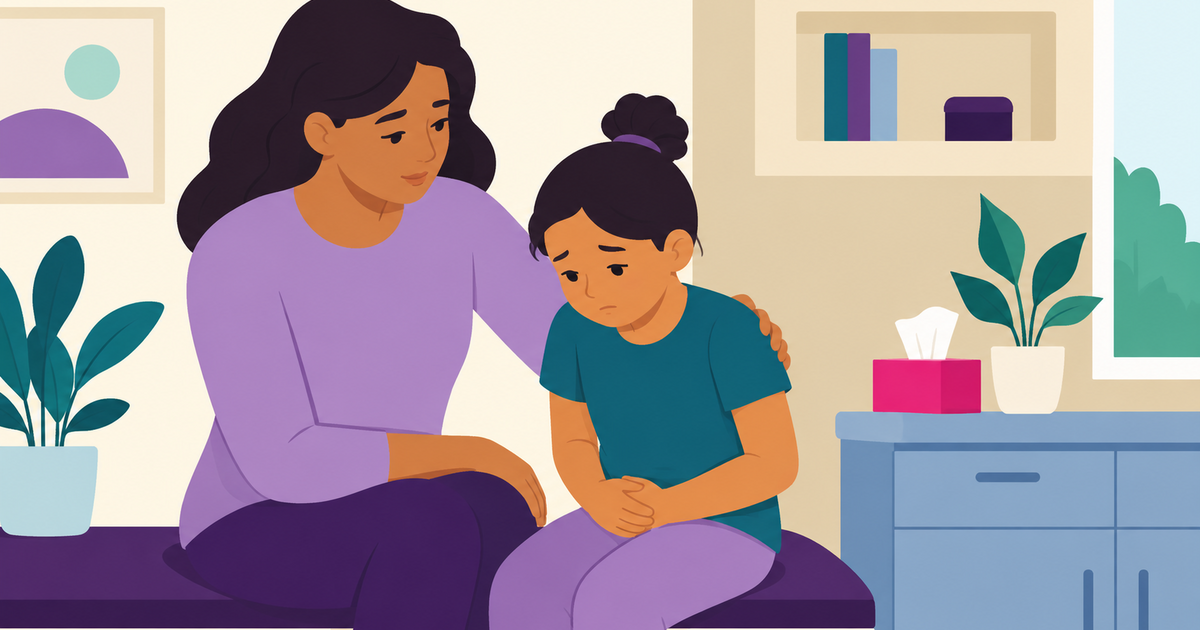
Yes, kids can get urinary tract infections (UTIs), and they’re actually more common than many parents realize, especially in girls under age 7, according to the University of Colorado.
A UTI happens when bacteria enter the urinary tract and cause infection in the bladder, urethra, or even the kidneys. Catching it early is important because, if left untreated, it can lead to more serious health issues like kidney infections. Since the symptoms aren’t always obvious, especially in younger children, it’s helpful to know what to watch for so you can act quickly and get your child the care they need. This article breaks down the key signs and what to do next:
Children with UTIs often present with fever as one of the primary symptoms. Our guide on when to take your child to urgent care for a fever covers how to assess urgency.
Diagnosing a UTI requires a urine test—see our complete guide to lab tests for what to expect from a urinalysis at urgent care.
What causes UTIs in kids?
UTIs in children occur when bacteria, usually E. coli from the digestive tract, enter the urinary tract and begin to multiply. For younger children, especially girls, behaviors such as not wiping from front to back, holding in urine for too long, or skipping proper hygiene can increase the risk. Constipation can also be a surprising culprit, according to the University of Colorado, since it can put pressure on the bladder and affect how completely kids empty it. In some cases, underlying issues with the structure of the urinary tract can make UTIs more likely or cause them to come back repeatedly. Whether it’s a one-time infection or a recurring problem, knowing the root causes can help you prevent future flare-ups.
UTI symptoms by age
UTI symptoms in kids can vary a lot depending on their age, according to Johns Hopkins, which is why it’s helpful to know what to look for at each stage:
- In infants and babies, signs might include a fever without a clear reason, irritability or crying during diaper changes, poor feeding, vomiting, diarrhea, or unusually foul-smelling or cloudy urine.
- Toddlers and preschoolers may say it hurts when they pee, start having more bathroom accidents, complain of belly pain, or seem unusually tired or feverish.
- School-age kids often feel the sudden urge to pee, experience pain in the lower abdomen, start wetting the bed (especially if it wasn’t happening before), or even notice blood in their urine.
Paying attention to these age-specific symptoms can help you catch a UTI early and get your child feeling better fast.
When to see a doctor for UTI symptoms in kids
If your child has a fever without an obvious reason or tells you it hurts to pee, it’s a good idea to call the doctor, especially if symptoms stick around for more than a day. Even if your child doesn’t seem very sick, UTIs can cause complications if left untreated, so it’s better to play it safe. This is especially true if your child has had more than one UTI before, as recurring infections may point to an underlying issue that needs attention. The only way to know for sure if it’s a UTI is through a simple urine test, which helps your provider decide the best treatment and get your child back to feeling better quickly.
How pediatric UTIs are treated
Once a urine test confirms a UTI, most kids start feeling better quickly with the help of antibiotics. It’s important to make sure they finish the full course of medication, even if their symptoms go away, to fully clear the infection and prevent it from coming back. Over-the-counter pain relievers like ibuprofen or acetaminophen can help ease discomfort, but always check with your child’s provider first. In some cases, especially if UTIs keep happening, your doctor may recommend additional testing to rule out structural issues or other underlying causes.
Can UTIs cause complications in kids?
While most pediatric UTIs are easy to treat, leaving them untreated can lead to more serious problems. In some cases, the infection can travel up to the kidneys, causing a condition called pyelonephritis, which often brings high fever, vomiting, and the risk of lasting kidney damage. That’s why early diagnosis and treatment are so important. Catching a UTI early with a simple urine test and starting antibiotics right away usually prevents complications and helps your child feel better faster.
Tips to help prevent UTIs in children
Preventing UTIs in kids often starts with a few simple habits:
- Teach your child to wipe from front to back after using the bathroom to help keep bacteria out of the urinary tract.
- Encourage them to take regular bathroom breaks rather than holding in their pee, which can increase the risk of infection.
- Staying well-hydrated is important, too. Water helps flush out the urinary system.
- It’s also a good idea to skip bubble baths or perfumed soaps in the genital area, as these can irritate sensitive skin.
- And if your child struggles with constipation, talk to their doctor. Backed-up bowels can put pressure on the bladder and make UTIs more likely.
Think your child might have a UTI? Get care today
Don’t wait it out if your child is showing signs of a urinary tract infection; visit a nearby urgent care center for quick testing and fast relief. Same-day pediatric visits can help confirm the cause and get your child feeling better, faster. Use Solv to find trusted care near you.
Pediatric urgent care visits for UTIs are typically covered. See how urgent care billing works before your visit.
Frequently asked questions
Can children get urinary tract infections (UTIs)?
Yes, children can get UTIs. They are more common than many parents realize, especially in girls under the age of 7.
What are the causes of UTIs in children?
UTIs in children occur when bacteria, usually E. coli from the digestive tract, enter the urinary tract and begin to multiply. Behaviors such as not wiping from front to back, holding in urine for too long, or skipping proper hygiene can increase the risk. Constipation can also be a culprit, as it can put pressure on the bladder and affect how completely kids empty it. In some cases, underlying issues with the structure of the urinary tract can make UTIs more likely or cause them to recur.
What are the symptoms of UTIs in children?
UTI symptoms in kids can vary depending on their age. In infants and babies, signs might include a fever without a clear reason, irritability or crying during diaper changes, poor feeding, vomiting, diarrhea, or unusually foul-smelling or cloudy urine. Toddlers and preschoolers may say it hurts when they pee, start having more bathroom accidents, complain of belly pain, or seem unusually tired or feverish. School-age kids often feel the sudden urge to pee, experience pain in the lower abdomen, start wetting the bed, or even notice blood in their urine.
When should I take my child to the doctor for UTI symptoms?
If your child has a fever without an obvious reason or tells you it hurts to pee, it’s a good idea to call the doctor, especially if symptoms persist for more than a day. Even if your child doesn’t seem very sick, UTIs can cause complications if left untreated. It's particularly important to seek medical attention if your child has had more than one UTI before, as recurring infections may point to an underlying issue that needs attention.
How are UTIs in children treated?
Once a urine test confirms a UTI, most kids start feeling better quickly with the help of antibiotics. It’s important to make sure they finish the full course of medication, even if their symptoms go away, to fully clear the infection and prevent it from coming back. Over-the-counter pain relievers like ibuprofen or acetaminophen can help ease discomfort, but always check with your child’s provider first. In some cases, especially if UTIs keep happening, your doctor may recommend additional testing to rule out structural issues or other underlying causes.

Dr. Alicia Tezel is a Board-Certified Pediatrician with over 30 years of experience, including 14+ years in pediatric emergency care. She serves as Chief Medical Officer at Little Spurs Pediatric Urgent Care.
How we reviewed this article
Medically reviewed
View this article's sources and history, and read more about Solv's Content Mission Statement, editorial process, and editorial team.
2 sources
Solv has strict sourcing guidelines and relies on peer-reviewed studies, academic research institutions, and medical associations. We avoid using tertiary references.
- Urinary Tract Infections in Children. (August 17, 2025)
- UTIs in Children. (August 17, 2025)
Solv’s team of medical writers and experts review and update our articles when new information becomes available.
March 04 2026
Written by Solv Editorial Team
Medically reviewed by: Dr. Rob Rohatsch, MD
May 01 2026
Edited by Solv Editorial Team
May 03 2026
Edited by Solv Editorial Team
May 06 2026
Edited by Solv Editorial Team
May 23 2026
Edited by Solv Editorial Team
May 27 2026
Edited by Solv Editorial Team
June 03 2026
Edited by Solv Editorial Team